How to Train with Simulated Competition Scenarios
Training with simulated competition scenarios is an advanced strategy used by athletes, coaches, and professionals across various fields to prepare for real-world challenges. By recreating the pressures, dynamics, and unpredictability of actual competitions, simulated scenarios help individuals hone their skills, improve decision-making, and build mental resilience. This method goes beyond traditional training by integrating realistic conditions that mimic the stakes of competition.
In this article, we will explore how to effectively design and implement simulated competition scenarios, supported by research, examples, and practical tips. Whether you are an athlete aiming to improve performance or a professional seeking to sharpen your competitive edge, understanding this approach can transform your preparation process.
Understanding Simulated Competition Scenarios
Simulated competition scenarios involve creating training environments that closely resemble the conditions of real competitions. These can range from mock games in sports to role-playing exercises in business or crisis simulations in emergency response training. The goal is to expose participants to the emotional and cognitive demands of competition without the real-world consequences.
According to a 2020 study published in the Journal of Sports Sciences, athletes who engaged in simulated competitive environments showed a 15% improvement in reaction time and decision-making speed compared to those who trained under standard practice conditions. This underscores the value of incorporating realism into training sessions.
- Realism: Replicating game speed, pressure, and unpredictability.
- Stress Management: Introducing elements that trigger stress responses similar to competition day.
- Feedback: Immediate analysis and adjustments post-simulation for skill refinement.
Designing Effective Simulated Scenarios
The success of simulated competition training hinges on thoughtful design that balances challenge with achievable goals. Here are key steps and considerations when developing your own scenarios:
1. Identify Specific Objectives
Start by defining what you want to achieve through simulation training. Objectives could include improving tactical decision-making, enhancing physical endurance under pressure, or building psychological resilience.
For example, a basketball coach might focus on simulating end-of-game situations where players must execute plays under time constraints and defensive pressure. Meanwhile, a sales team might simulate high-stakes client negotiations to improve persuasion skills.
2. Incorporate Realistic Elements
The closer the simulation resembles actual competition conditions, the more effective it will be. This involves:
- Environmental factors: Noise levels, crowd presence, weather conditions (if applicable).
- Time constraints: Mimicking actual match or event durations.
- Opponent behavior: Including unpredictable or strategic actions from competitors or adversaries.
A notable example is the U.S. Military’s use of war games where soldiers train in virtual reality environments that simulate battlefield conditions including terrain challenges and enemy tactics.
3. Use Technology and Tools
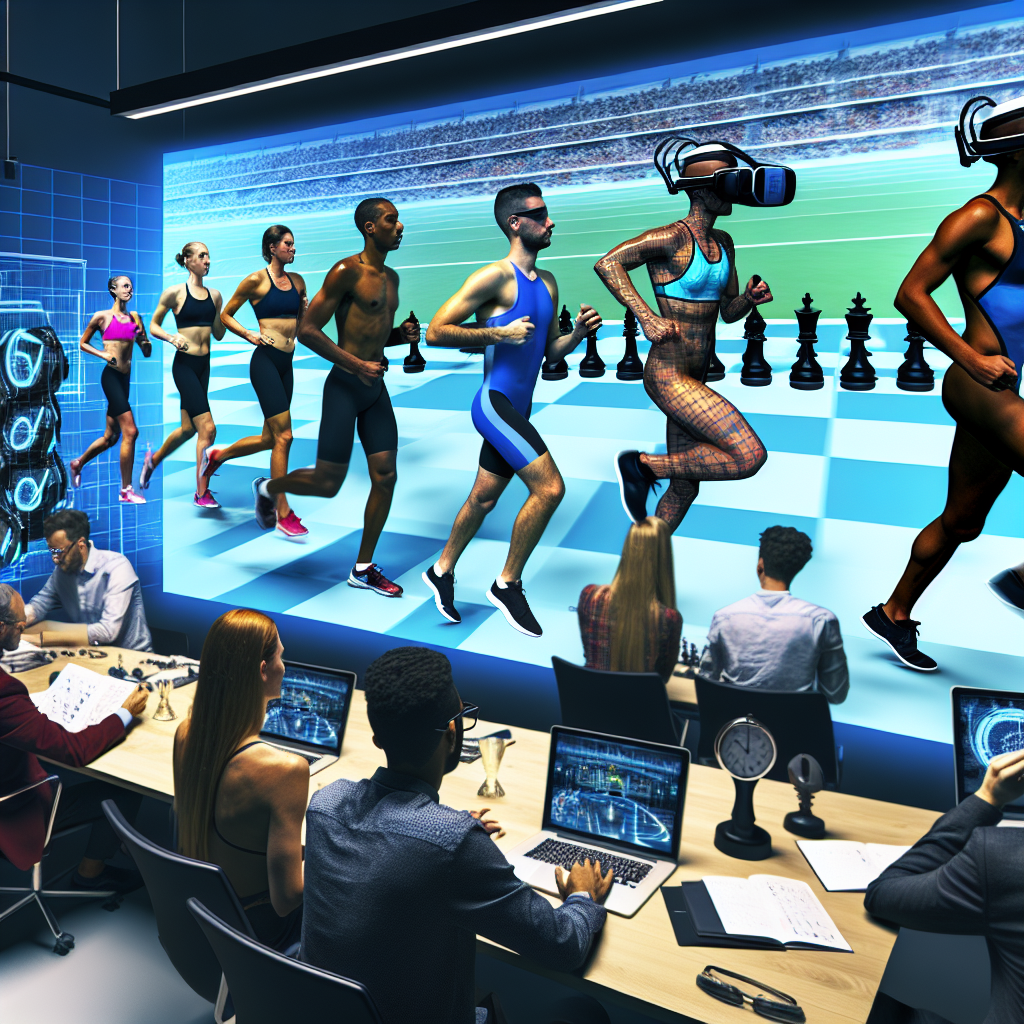
The rise of technology has made simulation more accessible and sophisticated. Tools such as virtual reality (VR), augmented reality (AR), video playback analysis, and wearable sensors allow for immersive experiences and detailed performance tracking.
A case study from Stanford University demonstrated that VR-based soccer simulations improved players’ spatial awareness and anticipation skills by exposing them repeatedly to game-like scenarios without physical wear and tear.
Mental Preparation Through Simulation
Mental toughness is often what separates champions from others in competitive environments. Simulated scenarios help athletes and professionals develop coping mechanisms for anxiety, pressure, and distractions common during competitions.
The Role of Psychological Stressors
Add stressors such as timed tasks, unexpected rule changes, or audience presence during simulations to replicate psychological demands. This exposure helps participants learn emotional regulation strategies like controlled breathing and focused attention.
- Anxiety Management: Learning how stress affects performance through direct experience in simulations.
- Mental Rehearsal: Visualization techniques combined with simulated practice enhance confidence.
- Cognitive Flexibility: Adapting strategies mid-simulation develops quick thinking under pressure.
A survey conducted among Olympic athletes revealed that those who regularly engaged in mental simulation exercises reported higher confidence levels (by approximately 25%) during actual competitions compared to those who did not incorporate such practices.
Implementing Feedback Loops for Continuous Improvement
No training method is complete without structured feedback mechanisms. Simulated competition training should include post-session reviews where participants analyze their performance critically.
- Video Review: Watching recordings of simulation sessions to identify strengths and weaknesses.
- Performance Metrics: Using data such as heart rate variability or reaction times for objective assessment.
- Peer Feedback: Encouraging teammates or colleagues to provide constructive criticism based on observations.
This iterative feedback loop encourages a growth mindset—a critical factor linked with long-term success according to psychologist Carol Dweck’s research on motivation and achievement.
that mimic real-game scenarios, allowing athletes to adapt quickly to high-pressure situations. This approach has contributed significantly to their success on the field.
Incorporating simulated competition training can enhance performance and build confidence, ultimately leading to better results in actual competitions.