Tips for Shooting on Moving Targets in Competition
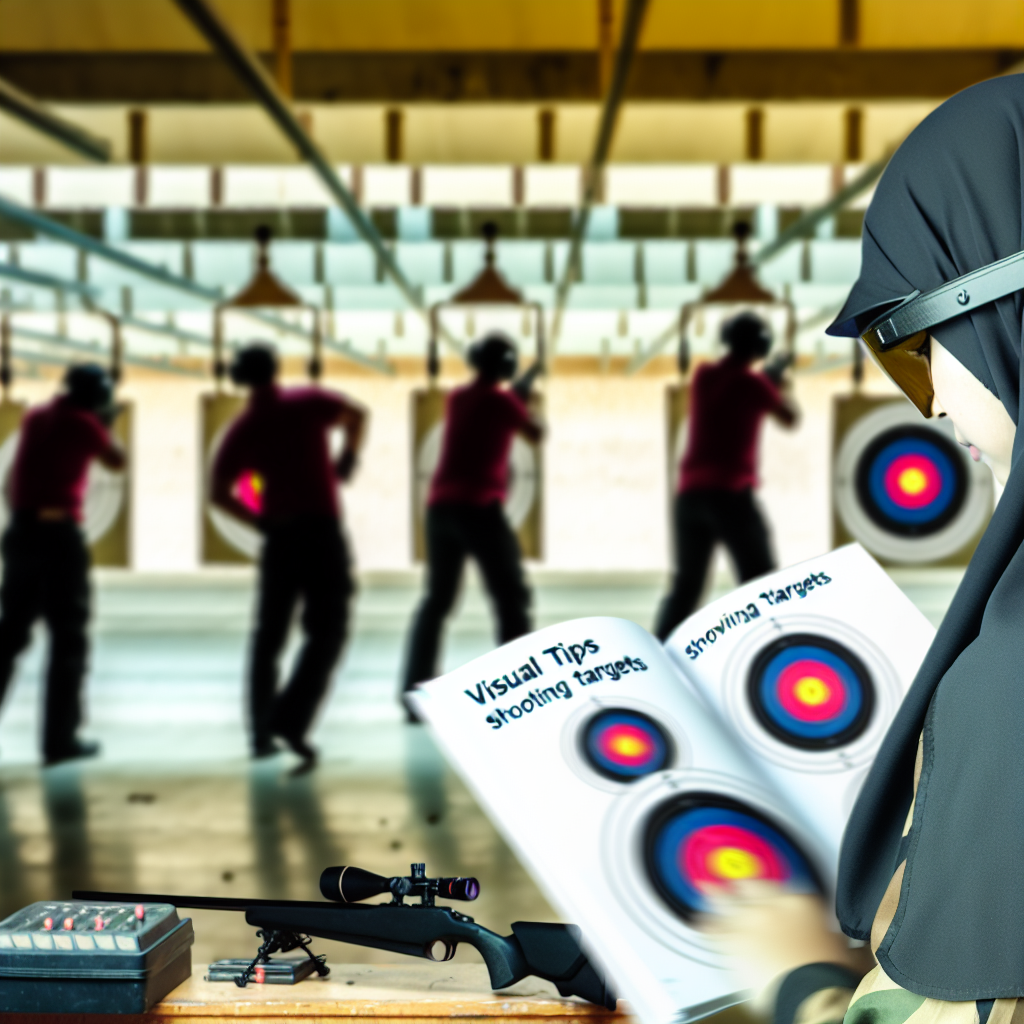
Shooting on moving targets is a demanding skill that combines precision, timing, and mental focus. Whether you participate in clay pigeon shooting, biathlon, or other competitive shooting sports, mastering the art of hitting moving targets can significantly elevate your performance. This article delves into effective strategies and techniques to improve your accuracy and consistency when engaging dynamic targets in competition settings.
Understanding the Dynamics of Moving Targets
Before diving into specific tips, it’s crucial to understand the fundamental challenges posed by moving targets. Unlike stationary targets, moving targets require shooters to predict motion, adjust aim dynamically, and coordinate their timing with target speed and trajectory.
Moving targets vary widely depending on the discipline:
- Clay pigeon shooting: Targets fly at varying speeds and angles, often unpredictable.
- Biathlon: Athletes shoot at stationary targets after intense physical exertion but must also adapt quickly to changing conditions.
- Running target shooting: Targets move laterally across a fixed range at set speeds.
The ability to anticipate the target’s path—known as “leading”—is essential. Leading involves aiming ahead of the target’s current position so that your shot intersects with its future location. This requires a solid understanding of target speed and distance.
Mastering Proper Stance and Grip for Stability
A stable shooting platform forms the foundation of accuracy, especially when tracking moving targets. Without a consistent stance and grip, even the most skilled shooter will struggle with precision under dynamic conditions.
- Adopt a balanced stance: Position your feet shoulder-width apart with knees slightly bent to absorb movement and maintain flexibility.
- Lean slightly forward: This posture helps counteract recoil and maintain control during rapid follow-through shots.
- Consistent grip pressure: Avoid gripping too tightly; excessive tension can cause tremors or fatigue. Maintain firm yet relaxed control over your firearm or bow.
A case study from the National Rifle Association (NRA) highlights that shooters who practiced maintaining consistent stances experienced a 15% improvement in hit ratios during moving target events compared to those with varied postures.
The Art of Leading: Calculating and Practicing Target Lead
Leading is arguably the most technical aspect of shooting moving targets. It involves estimating where the target will be by the time your projectile reaches it. Getting this wrong results in misses either behind or ahead of the target.
- Estimate target speed: Observe several passes to gauge how fast the target moves across your field of vision.
- Calculate lead distance: The faster the target moves or the longer your projectile travel time, the more you need to lead ahead.
- Practice “swing-through” technique: Move your sights smoothly along with the target before pulling the trigger once you’ve led sufficiently ahead.
An example from Olympic trap shooters shows that elite competitors often lead targets by approximately 3-6 inches depending on speed and distance. Training simulators now use data analytics to help shooters refine their leading calculations by providing immediate feedback on their aim relative to moving targets.
Mental Focus and Timing: Sharpening Your Competitive Edge
Mental acuity plays a critical role when shooting moving targets under pressure. Maintaining focus while managing adrenaline spikes can be challenging but essential for consistent performance.
- Breathe rhythmically: Controlled breathing helps calm nerves and stabilize your body during shots.
- Mental visualization: Visualize successful shots before they happen; many top shooters use this technique to enhance confidence and reduce hesitation.
- Tune out distractions: Competitions are noisy environments—practice blocking out crowd noise and focusing solely on your task.
A psychological study published in the Journal of Sports Sciences found that shooters who engaged in pre-shot routines involving deep breathing and visualization improved their hit rates by up to 12% during high-pressure competitions involving moving targets.
Equipment Selection and Maintenance for Moving Target Competitions
The right equipment tailored for dynamic shooting scenarios can make a significant difference in accuracy and comfort during competition.
- Sights optimized for tracking: Use optics designed for quick acquisition such as red dot sights or holographic sights that allow you to maintain focus on both sights and target simultaneously.
- Ammunition consistency: Choose ammunition with uniform velocity characteristics to minimize shot variation caused by inconsistent muzzle speeds.
- Smooth trigger action: A crisp trigger pull reduces jerking motions that may disrupt aim during fast-moving shots.
- Regular maintenance: Clean barrels and check mechanisms frequently; even minor fouling or mechanical issues can degrade performance in tight competition scenarios.
A survey conducted among professional skeet shooters revealed that nearly 85% attributed improvements in their scores after switching to specialized match-grade ammunition combined with red dot optics designed for rapid target transitions.
Training Drills to Improve Accuracy on Moving Targets
Theoretical knowledge must be complemented by rigorous training drills designed specifically for improving skills related to moving targets.
Here, consistent practice with drills such as tracking moving targets and quick acquisition techniques can significantly enhance your shooting proficiency.
By integrating these strategies into your training routine, you can improve your performance in competitive shooting scenarios.