How to Improve Your Competitive Shooting Reaction Time
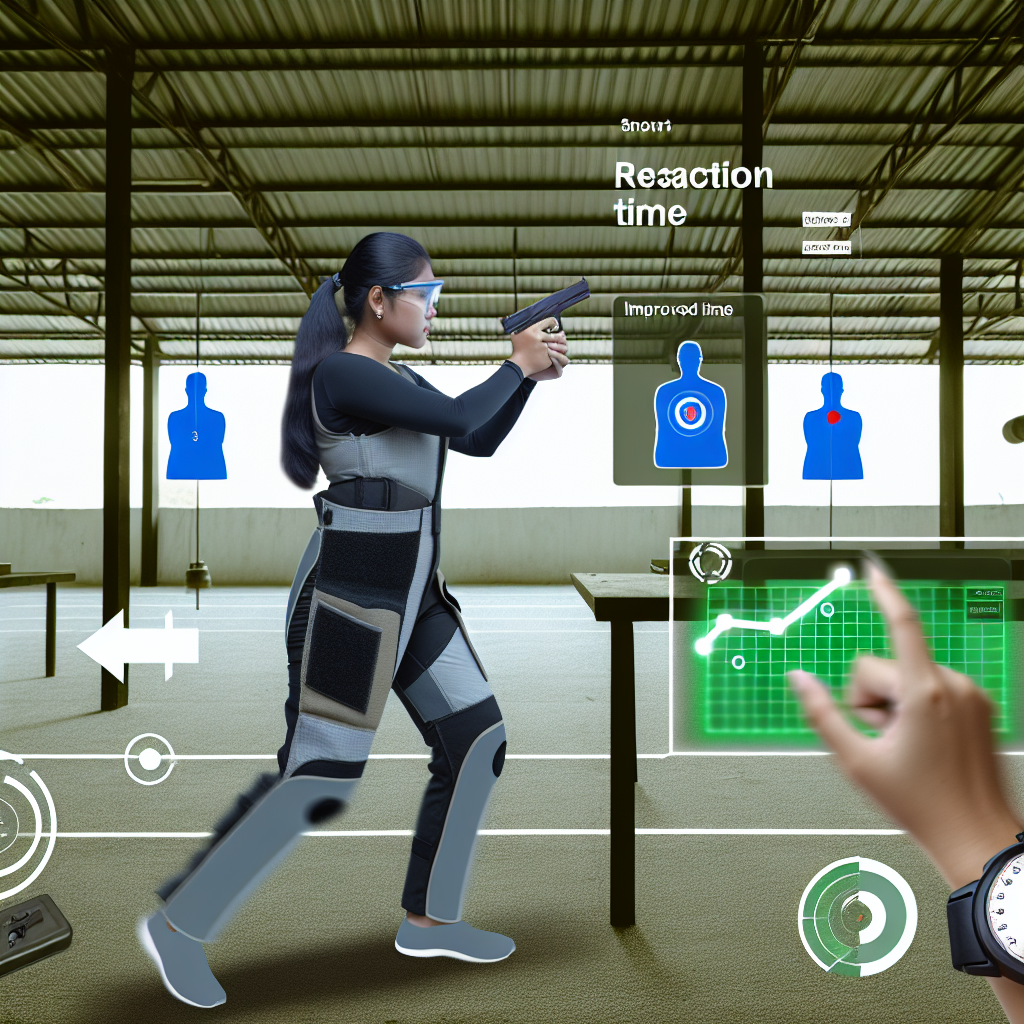
Competitive shooting is a sport that demands precision, accuracy, and above all, rapid reaction times. Whether you’re participating in IPSC, IDPA, 3-Gun competitions, or Olympic shooting events, the ability to react swiftly and accurately to dynamic targets can make the difference between victory and defeat. Improving your reaction time isn’t just about natural reflexes; it involves dedicated training, mental conditioning, and an understanding of biomechanics.
This article will explore practical strategies and scientifically-backed methods to enhance your competitive shooting reaction time. Through a blend of physical exercises, mental drills, and equipment optimization, you can shave precious milliseconds off your response time and elevate your performance on the range.
Understanding Reaction Time in Competitive Shooting
Before diving into improvement techniques, it’s crucial to understand what reaction time entails in the context of competitive shooting. Reaction time is the interval between perceiving a stimulus—such as a target appearing—and initiating a physical response—such as drawing your firearm and firing.
According to research published by the Journal of Sports Sciences, average human reaction times range from 150 to 300 milliseconds depending on stimulus type (visual, auditory) and individual factors like age and fitness. In shooting sports, visual stimuli dominate since competitors react to targets or signal lights.
Key components of reaction time include:
- Perception time: The duration it takes for your brain to recognize the target or signal.
- Decision-making time: The split second where your brain processes what action is required.
- Motor response time: The physical execution of drawing, aiming, and firing.
Improving overall reaction time means optimizing each phase through targeted training.
Mental Conditioning: Sharpening Focus and Cognitive Speed
The mind plays a pivotal role in reaction speed. In high-pressure competitions, stress can slow cognitive processing or cause hesitation. Mental conditioning techniques aim to enhance focus, reduce anxiety, and accelerate decision-making.
Mental Visualization Techniques
Visualization trains the brain by simulating competition scenarios without physical exertion. Studies from sports psychology reveal that athletes who mentally rehearse movements show improved performance and faster responses.
- Practice visualizing stages: Imagine yourself reacting instantly to target appearances with perfect form.
- Use multisensory imagery: Incorporate sounds (range commands), tactile sensations (grip pressure), and visuals (target movement).
Meditation and Mindfulness
Meditation reduces stress hormones like cortisol that impair cognitive function under pressure. Mindfulness improves sustained attention—a critical skill for spotting targets quickly.
-
<liA daily mindfulness routine of 10-15 minutes can improve concentration over weeks.
- Breathing exercises before competition calm nerves and prepare the brain for rapid processing.
Cognitive Training Apps
Cognitive enhancement apps such as Lumosity or BrainHQ provide exercises designed to improve processing speed and decision-making speed. Many competitive shooters incorporate these into their routines with notable success.
Physical Training: Enhancing Neuromuscular Coordination
Your body’s ability to translate neural signals into swift movement is equally important. Neuromuscular coordination refers to how efficiently your nervous system communicates with muscles during complex motor tasks like drawing and firing a gun rapidly.
Plyometric Exercises for Explosive Speed
Plyometrics involve explosive movements that train fast-twitch muscle fibers responsible for quick bursts of power—ideal for rapid draws and follow-up shots.
- Examples: Jump squats, medicine ball throws, clap push-ups.
- Benefit: Improves muscle contraction speed and agility on the firing line.
Hand-Eye Coordination Drills
Shooting demands precise synchronization between vision and hand movement. Regular drills help reinforce this connection:
- Tennis ball tosses: Catching small balls improves reflexes and tracking ability.
- Bouncing light drills: Using LED targets that light randomly encourages faster target acquisition.
Strength Training for Stability and Endurance
A strong core stabilizes your stance while muscles in arms and shoulders reduce fatigue during long matches. Strength training indirectly enhances reaction by maintaining form under stress so your movements remain fluid rather than hesitant.
- Focus areas: Core exercises (planks), grip strength (farmers’ walks), shoulder stability (dumbbell presses).
Technical Practice: Drills Designed for Speed
The best way to improve shooting reaction time is deliberate practice using drills tailored specifically for speed without sacrificing accuracy. Consistency is key here; even small improvements compound over time leading to significant gains.
The Ball-and-Dummy Drill
This classic drill uses live rounds mixed with dummy rounds loaded randomly in magazines. It forces shooters to react quickly when a live round appears while practicing immediate recognition when no shot should be fired—a vital skill in competitions where targets may vary unexpectedly.
The Timer Drill encourages shooters to engage targets within a set time limit, pushing them to improve their speed while maintaining accuracy. Regularly incorporating these drills into your training routine can significantly enhance your competitive edge.
With dedication and the right techniques, you’ll see marked improvements in your reaction time, leading to better performance in competitions.