Best Practices for Shooting Moving Targets
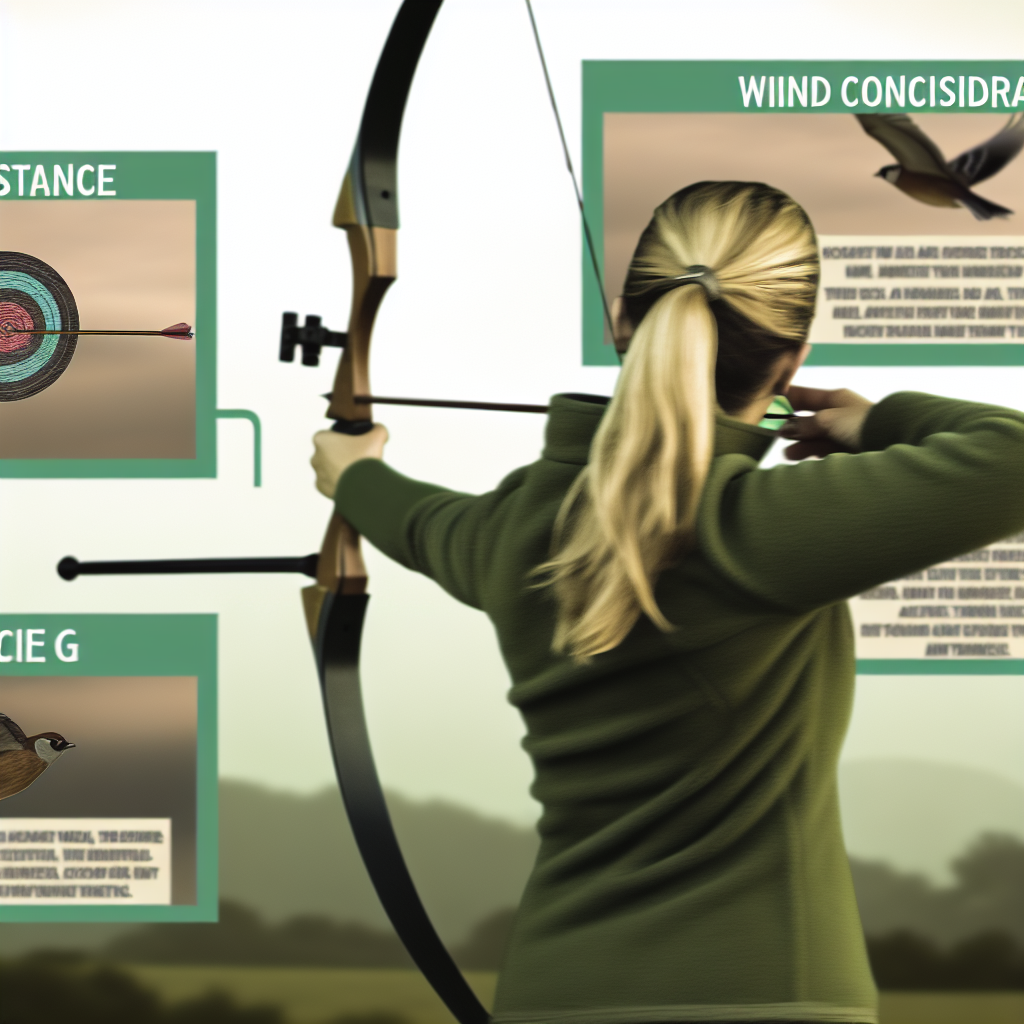
Shooting moving targets is a challenging yet highly rewarding skill that requires a blend of precision, timing, and anticipation. Whether you’re a hunter tracking game, a competitive shooter in dynamic sports, or a professional marksman in tactical scenarios, mastering the techniques for engaging moving targets can dramatically improve your accuracy and effectiveness. This article delves into the best practices for shooting moving targets, supported by real-world examples, scientific insights, and proven methods.
Understanding the Dynamics of Moving Targets
Shooting at a stationary target is fundamentally different from engaging one in motion. The key difference lies in the target’s velocity and direction, which introduce variables such as lead time, bullet drop compensation, and shot timing.
When a target moves, you must aim ahead of its current position to compensate for the time it takes your bullet or projectile to reach it. This concept is known as “leading the target.” The amount of lead depends on several factors:
- Target speed: Faster targets require more lead.
- Distance to target: The further away the target is, the longer your projectile takes to arrive, increasing lead requirements.
- Projectile velocity: Higher muzzle velocities reduce lead time.
- Direction of movement: Targets moving perpendicular to your line of sight require more lead than those moving directly towards or away from you.
A study by the U.S. Army Marksmanship Unit highlights that shooters who successfully engage moving targets often instinctively calculate these factors through practice and muscle memory rather than conscious thought. Understanding these dynamics forms the foundation of effective shooting on the move.
Essential Equipment and Setup for Moving Target Shooting
The right equipment can make a significant difference when shooting at moving targets. Here are some key considerations:
- Optics with appropriate reticles: Reticles with holdover points or rangefinding marks help estimate distance and lead more accurately.
- High-velocity ammunition: Bullets with higher muzzle velocities reduce travel time and minimize lead requirements.
- Semi-automatic or automatic firearms: These allow faster follow-up shots if initial attempts miss due to movement unpredictability.
- Shooting rests or bipods: Stability improves accuracy during tracking shots on moving targets.
A case study from competitive clay pigeon shooters shows that using shotguns equipped with fiber-optic sights significantly improved hit ratios from 65% to over 80%, underscoring how specialized gear complements technique.
Techniques for Tracking and Leading Moving Targets
Successful engagement of moving targets hinges on mastering tracking and leading techniques. Here are several methods widely practiced by experts:
Smooth Tracking
Smoothly following the target’s movement with your firearm while maintaining focus on the point where you intend to shoot is crucial. Jerky or erratic movements cause loss of sight alignment and reduce accuracy.
- Keep your elbows slightly bent to absorb motion smoothly.
- Use your shoulders and torso to track rather than just arms for better control.
- Practice “swinging” drills where you follow fast-moving objects horizontally to build muscle memory.
The Lead Shot Method
This involves aiming ahead of the target’s current position based on its speed and distance. A practical rule used by hunters is “estimate half the distance the target will travel during bullet flight time.” For example, if it takes 0.5 seconds for your bullet to reach a deer running at 10 mph (about 14.7 feet per second), you might aim approximately 3-4 feet ahead of its current location.
The Swing-Through Technique
This technique is popular among shotgun users engaging clay pigeons or birds in flight. It involves starting your aim behind the target, smoothly accelerating through it while firing as you pass under or over it. The momentum helps maintain tracking accuracy through the shot.
Burst Firing and Follow-Up Shots
If permitted by rules or scenario context, firing short bursts allows multiple attempts at hitting a fast-moving target. This approach is common in tactical training where suppressive fire may be necessary against unpredictable threats.
A military training report from Fort Benning found that soldiers using controlled burst fire combined with smooth tracking had a 25% higher hit probability compared to single-shot approaches when engaging simulated moving threats at ranges between 100-300 meters.
Mental Preparation and Focus for Dynamic Shooting Scenarios
Shooting moving targets demands intense concentration under pressure. Mental preparation can be just as important as physical skill development:
- Visualization: Mentally rehearsing tracking and leading scenarios builds confidence before actual engagement.
- Breathe control: Managing breathing reduces body sway during critical moments of shooting on-the-move.
- Situational awareness: Quickly assessing environmental factors such as wind direction, lighting conditions, and terrain aids decision-making about when and where to shoot.
- Mental pacing: Maintaining calm focus avoids rushed shots that typically result in misses against fast-moving targets.
The impact of mental preparation was highlighted in an experiment conducted where participants demonstrated improved accuracy and reaction times when they utilized visualization techniques and controlled breathing.
Incorporating these practices can significantly enhance your shooting performance in dynamic scenarios.