How to Choose the Right Rifle Caliber for Competition
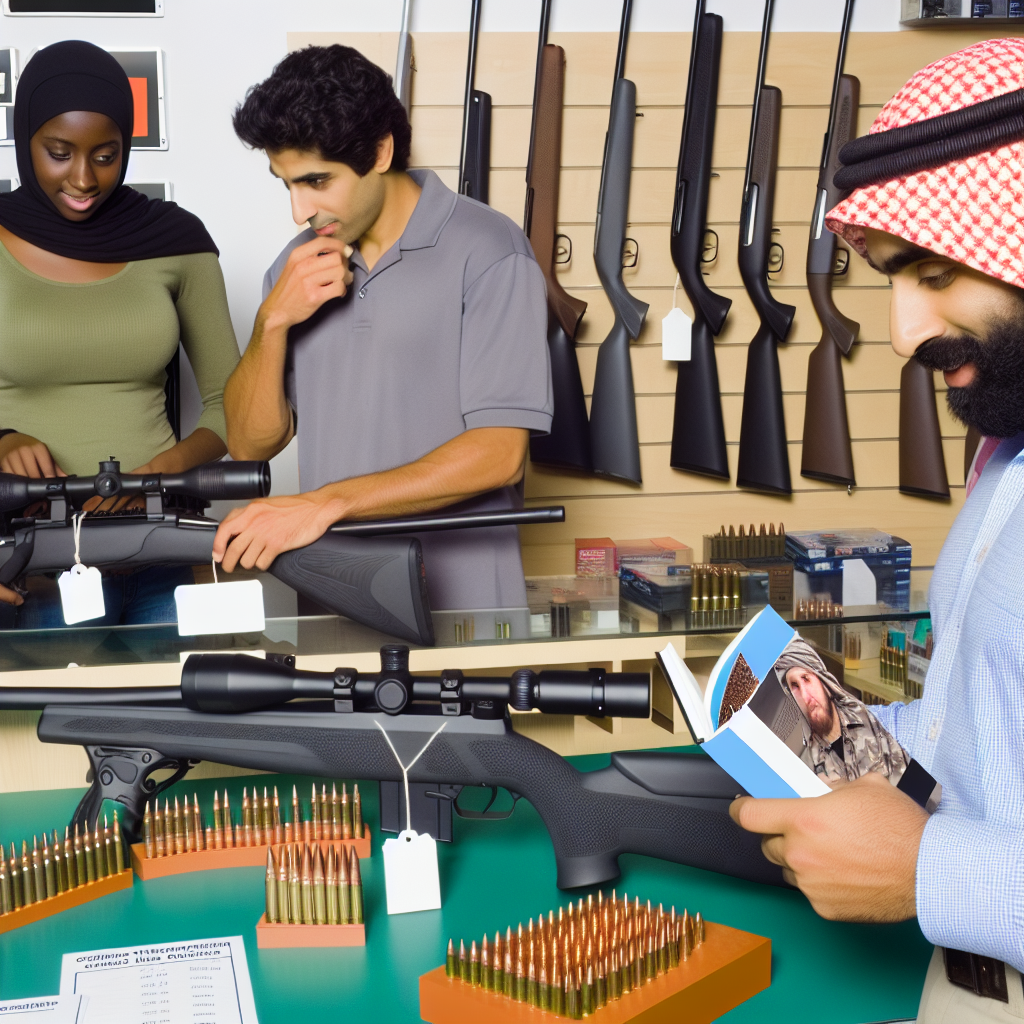
Choosing the right rifle caliber for competition shooting is a critical decision that can significantly influence your performance. Whether you’re participating in precision long-range matches, practical shooting, or benchrest competitions, understanding the nuances of various calibers will help you optimize accuracy, manage recoil, and comply with competition rules.
This comprehensive guide explores the factors involved in selecting the ideal rifle caliber, supported by real-world examples and expert insights. By the end, you’ll have a solid framework to make an informed choice tailored to your competitive needs.
Understanding Rifle Caliber Basics
Before diving into specific calibers, it’s important to grasp what caliber means and how it impacts shooting. In simple terms, caliber refers to the internal diameter of a rifle barrel or the diameter of the bullet it fires, usually expressed in inches or millimeters (e.g., .308 Winchester or 6.5mm Creedmoor).
The choice of caliber affects several key aspects:
- Ballistic Performance: Velocity, trajectory, energy retention, and wind drift resistance.
- Recoil Management: Heavier calibers generally produce more recoil which can affect follow-up shots.
- Ammunition Availability and Cost: Some calibers are more common and affordable than others.
- Competition Rules: Certain matches restrict calibers or magazine capacities.
A thorough understanding of these factors will help shooters balance their needs between accuracy, comfort, and practicality.
Factors to Consider When Choosing a Competition Rifle Caliber
Selecting a caliber isn’t just about picking the most powerful round; it requires evaluating several interconnected variables based on your specific discipline and shooting style.
1. Type of Competition
The nature of your competition largely dictates suitable calibers. For example:
- Precision Long-Range Matches (e.g., PRS, F-Class): Emphasize flat trajectories and minimal wind drift. Popular calibers include 6.5mm Creedmoor and .308 Winchester.
- Practical/Tactical Matches (e.g., 3-Gun): Require fast follow-up shots and manageable recoil; common choices are .223 Remington/5.56 NATO for speed or .308 Winchester for power.
- Benchrest Shooting: Focus on extreme precision at short to medium ranges; calibers like .30 BR or 6mm PPC dominate here due to their inherent accuracy.
Selecting a caliber aligned with your competition type ensures you’re not handicapped by poor ballistics or excessive recoil.
2. Ballistic Performance and Accuracy Potential
The core of competitive shooting is accuracy. Ballistic performance involves how well a round maintains velocity, resists wind deflection, and delivers consistent impact at various distances.
- Ballistic Coefficient (BC): A higher BC indicates better aerodynamic efficiency. For example, 6.5mm bullets generally have higher BCs than similar-sized .30 caliber bullets.
- Muzzle Velocity: Higher velocity can flatten trajectory but may increase barrel wear.
- Consistency: Reliable manufacturing tolerances in both ammunition and rifle chambering are vital for repeatable accuracy.
A notable example is the rise of the 6.5mm Creedmoor in long-range competitions due to its excellent BC (~0.60-0.70 for popular bullets) combined with moderate recoil compared to larger magnums.
3. Recoil Management
Shooters who can manage recoil effectively tend to perform better in rapid-fire stages because they recover faster between shots. High-recoil calibers may cause shooter fatigue or flinching over extended matches.
- .223 Remington/5.56 NATO produces very low recoil but lacks terminal power at extreme distances beyond ~600 yards.
- .308 Winchester offers moderate recoil while maintaining solid performance out to ~800-1000 yards.
- Larger magnums like .300 Win Mag provide excellent long-range ballistics but come with significantly higher recoil that can impact follow-up shot speed and accuracy under stress.
An insightful study from Precision Rifle Blog found that shooters using moderate-recoil calibers averaged faster shot strings with less vertical dispersion compared to those firing heavy magnum rounds in PRS competitions.
4. Ammunition Availability and Cost
The practicality of using a certain caliber extends beyond ballistics — ammunition availability and cost play major roles, especially for competitors who shoot hundreds or thousands of rounds annually during practice sessions.
- .223 Remington remains one of the most affordable and widely available calibers worldwide due to its popularity in military-style rifles like AR-15s.
- .308 Winchester also enjoys broad availability but tends to be pricier than .223 because of larger bullet size and powder charge requirements.
- Niche cartridges such as the 6mm Dasher require handloading expertise since factory ammo is rare or nonexistent, adding time and expense but offering unmatched accuracy for benchrest shooters.
If you plan extensive training before competitions, choosing a commonly available cartridge can reduce costs and ensure you have enough ammunition for practice.
Ultimately, selecting the right rifle caliber involves balancing personal preference, performance needs, and practical considerations.