Reloading for Shotguns: Basics and Tips
Reloading shotgun shells is an art and science that offers enthusiasts numerous benefits, from cost savings to custom performance tuning. While reloading rifle and pistol cartridges is a well-trodden path, shotgun reloading remains a specialized niche that requires careful understanding of the components, procedures, and safety measures involved.
This comprehensive guide will explore the basics of shotgun reloading, including essential equipment, component selection, step-by-step processes, and expert tips to help beginners and intermediate reloaders achieve consistent and safe results. Whether you reload for hunting, sport shooting, or simply to save money, mastering these fundamentals will enhance your shooting experience.
Understanding the Basics of Shotgun Reloading
Unlike rifle or pistol cartridges, shotgun shells are typically made from a combination of plastic hulls with metal bases (usually brass or steel). This construction allows for more variability in shell length, shot size, powder charges, and wads. Reloading shotgun shells involves assembling these components correctly to create a functional round that fits your firearm’s chamber.
The primary components of a shotgun shell include:
- Hull: The plastic or sometimes paper tube that holds all other components together.
- Primer: A small explosive charge that ignites the powder.
- Powder: Propellant that generates gas pressure to propel the shot or slug.
- Wad: A plastic or fiber cup separating powder from shot and sealing gases behind the shot charge.
- Shot or Slug: The projectile(s) fired from the shotgun.
The goal of reloading is to assemble these components with precision so that the finished shell performs reliably and safely in your shotgun. Reloading can also allow customization of loads tailored to specific purposes such as waterfowl hunting or clay target shooting.
Essential Equipment Needed for Reloading Shotgun Shells
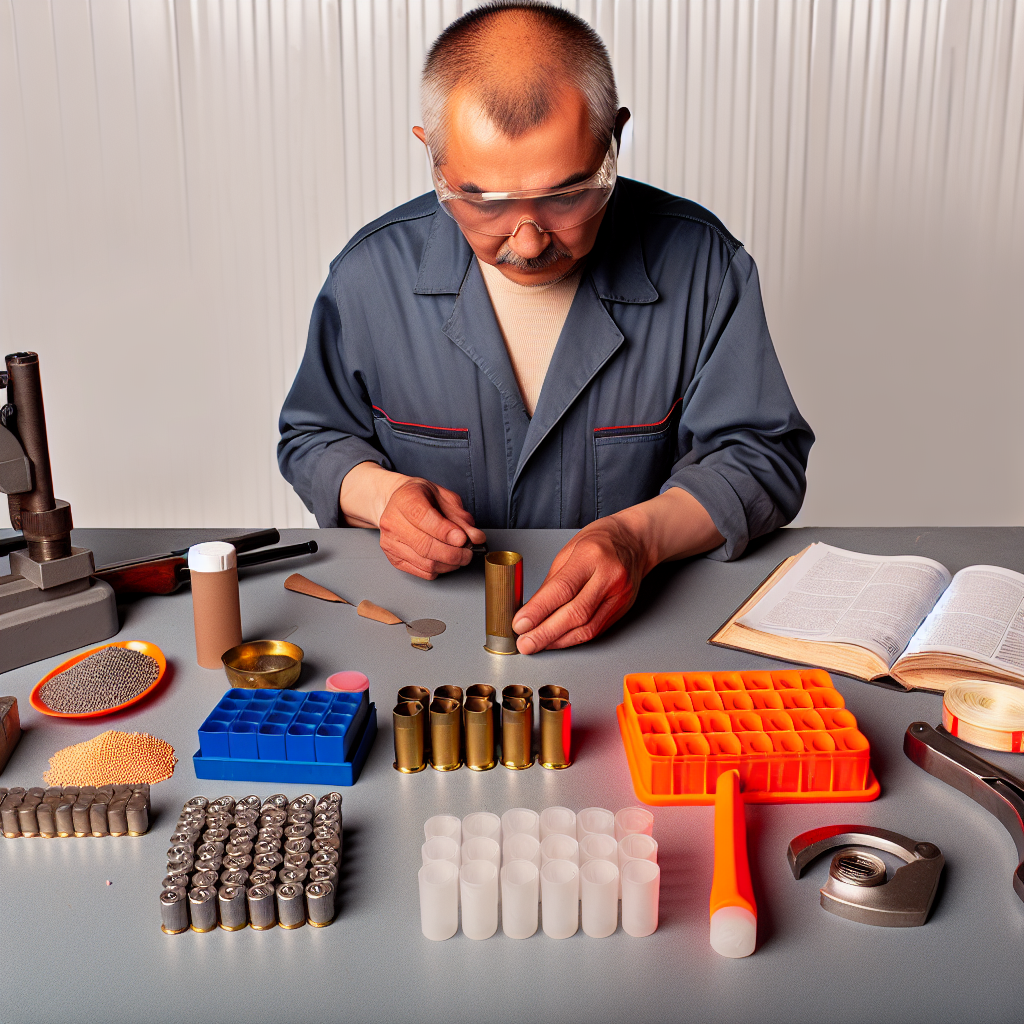
Reloading shotgun shells requires specialized equipment different from typical metallic cartridge presses. Here are some key tools you will need:
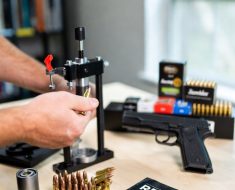
- Shotgun Reloading Press: There are single-stage presses designed specifically for shot shells, such as the MEC Marksman or RCBS shotshell presses. These presses provide mechanisms to resize hulls, seat primers, add powder charges, insert wads, seat shot, and crimp the hull end.
- Priming Tool: Some presses include built-in priming systems; alternatively, hand priming tools can be used to insert primers into hulls.
- Powder Measure/Dispenser: Accurate measurement of powder charges is critical. Powder measures designed for shotshell powders help ensure consistency.
- Shot Dispenser: This device meters out consistent volumes or weights of shot into each hull.
- Cropping Die/Resizer: Used to resize fired hulls back to standard length and trim excess plastic if necessary.
- Croppers/Crimpers: Tools to fold and secure the hull’s end after loading is complete. Crimp style varies between roll crimps (common in target loads) and fold crimps (common in hunting loads).
- Shooting Scale & Calipers: Precision scales measure powder and shot weight; calipers measure hull length ensuring consistency within specifications.
A well-equipped reloading bench with adequate lighting and ventilation will also improve your workflow and safety while handling powders and primers.
Selecting Components: Hulls, Powder, Wads, Primers & Shot
The success of your reloads depends heavily on choosing quality components suited for your shotgun’s gauge and intended use. Here is an overview of component considerations:
Hulls
The most common gauges for reloading are 12 gauge (most popular), 20 gauge (lighter recoil), and less commonly 16 gauge or .410 bore. Plastic hulls come in various lengths (2¾”, 3″, 3½”) depending on chamber size. Fired hulls can be reused multiple times if not damaged but must be inspected carefully each cycle. Some reloaders prefer new factory hulls initially for consistency before switching to reusing fired ones.
Powder
Pistol powders such as Hodgdon’s Clays or Winchester’s AA#9 are frequently used in shotshell reloading due to their burn rates suitable for large case volumes. Using rifle powders is generally discouraged due to excessive pressure risks. Always consult reputable load manuals from powder manufacturers like Hodgdon or Alliant when selecting powder type and charge weight.
Wads
The wad plays multiple roles: it seals gases behind the charge for efficient propulsion; cushions shot during acceleration preventing deformation; controls shot pattern by controlling pellet dispersion; and separates powder from shot preventing contamination. Selecting wads matched to your load’s intended velocity and shot size is crucial. For example:
- Tight patterns for trap shooting require specific wads optimized for pattern density
- Lighter recoil hunting loads may use fiber wads instead of plastic
Primers
Pistol primers (small pistol primers) are typically used because shots
are ignited more reliably in the lower-pressure environment of shotshells. Choosing the right primer is essential for consistent performance and depends on the specific load being used.
By understanding these components and their roles, you can enhance your shotgun reloading skills and achieve better results on the range or in the field.