Reloading Reloaded Ammo: What to Watch Out For
Reloading ammunition is a popular practice among shooting enthusiasts, hunters, and competitive marksmen. It offers several benefits, including cost savings, customization, and better control over the quality of the rounds fired. However, reloading previously fired or “reloaded” ammo—often referred to as “reloading reloaded ammo”—introduces additional complexities and risks that require careful consideration.
This article explores the critical aspects you need to watch out for when reloading reloaded ammo. We will cover safety concerns, identifying previously reloaded cases, equipment considerations, and best practices for ensuring reliability and performance. By understanding these factors, reloaders can mitigate risks and maintain both safety and accuracy in their shooting activities.
Understanding Reloaded Ammo: What Does It Mean?
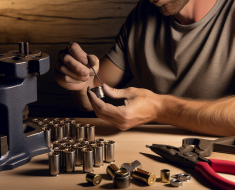
Reloaded ammo refers to cartridges that have been previously fired and then assembled again by replacing components such as primers, powder charges, and bullets. This process allows shooters to reuse brass casings multiple times.
Reloading reloaded ammo, however, involves taking cartridges that have already been reloaded once or more by someone else and attempting to reload them again. This adds a layer of uncertainty because you may not know the exact history or quality of the previous reloads.
Understanding this distinction is crucial because the condition of the brass and other components can vary significantly depending on how carefully prior reloaders handled them.
Key Safety Concerns When Reloading Reloaded Ammo
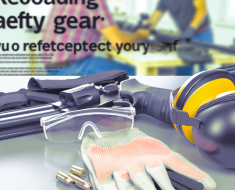
Safety is paramount in any ammunition-related activity. When dealing with reloaded ammo—especially if it has been reloaded multiple times—there are several critical safety concerns to keep in mind:
- Brass integrity: Every time brass is fired and resized during reloading, it undergoes stress that can cause thinning or cracks. Reloading brass multiple times without proper inspection increases the risk of case failure during firing.
- Unknown load data: If you don’t know the powder type or charge used in previous reloads, you risk double-charging or creating unsafe pressure levels.
- Primer seating issues: Poorly seated primers from prior reloads may lead to misfires or dangerous pressure spikes if not properly addressed.
- Mixed component quality: Components such as primers or bullets may be inconsistent in quality or specification if sourced from various previous reloaders.
- Incorrect case length: Cases may have been improperly trimmed or sized during earlier reloads, affecting chamber fit and pressure dynamics.
A case study from the National Shooting Sports Foundation (NSSF) highlights incidents where improperly inspected brass led to catastrophic failures during firing. These underscore why rigorous inspection is non-negotiable when handling reloaded ammo cases.
Identifying Previously Reloaded Brass: Signs and Techniques
If you acquire brass that has already been loaded or reloaded by someone else—whether through buying bulk cases, trading with other shooters, or recovering spent casings—you must identify their condition before reuse. Here are some indicators and methods to detect previously reloaded brass:
- Primer pocket condition: Look for signs of primer pocket resizing or uniform primer seating depth, which often indicate reloading activity.
- Case neck thickness: Measuring neck thickness can reveal whether the brass has been resized multiple times; inconsistent thickness suggests multiple reload cycles.
- Dents and scratches: Excessive physical wear may signal rough handling during prior reloads.
- Casing headstamp analysis: Some manufacturers mark their cases with special codes after each firing cycle; consult manufacturer data sheets for clues.
- Casing weight comparison: Weighing brass against factory-new examples can help detect thinning walls due to repeated resizing.
The use of magnification tools such as a loupe or microscope is recommended for detailed inspection. Some experienced reloaders also use ultrasonic testing devices to check for microfractures invisible to the naked eye.
The Role of Equipment in Safely Reloading Reloaded Ammo
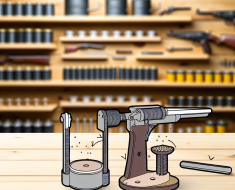
Your choice of equipment directly impacts your ability to safely reload previously loaded ammo. Investing in high-quality tools designed for precision and durability is essential. Key equipment considerations include:
- Calipers: Digital calipers enable precise measurement of case length, neck thickness, and overall dimensions critical for safe loading.
- Sizing dies with full-length resizing capability: These dies ensure cases return to proper dimensions for reliable chambering but must be used carefully on older brass to avoid overworking them.
- Case trimmers: Consistent trimming prevents overlength cases that can cause excessive pressures or feeding issues.
- Anvil-style primer seating tools: These provide consistent primer seating depth reducing misfires associated with reused primers pockets.
- Lubricants: Proper case lubrication during resizing prevents stuck cases which can lead to dangerous extraction problems in firearms.
A well-maintained press along with regular calibration of dies ensures uniformity between rounds—a critical factor when working with reused components where tolerances might already be stretched from prior use.
Pitfalls to Avoid When Reloading Reloaded ammo include overlooking the importance of inspecting each case for signs of fatigue or damage, which can compromise safety. Always prioritize safety and consistency in your reloading practices.