Reloading for 9mm: Step-by-Step Guide
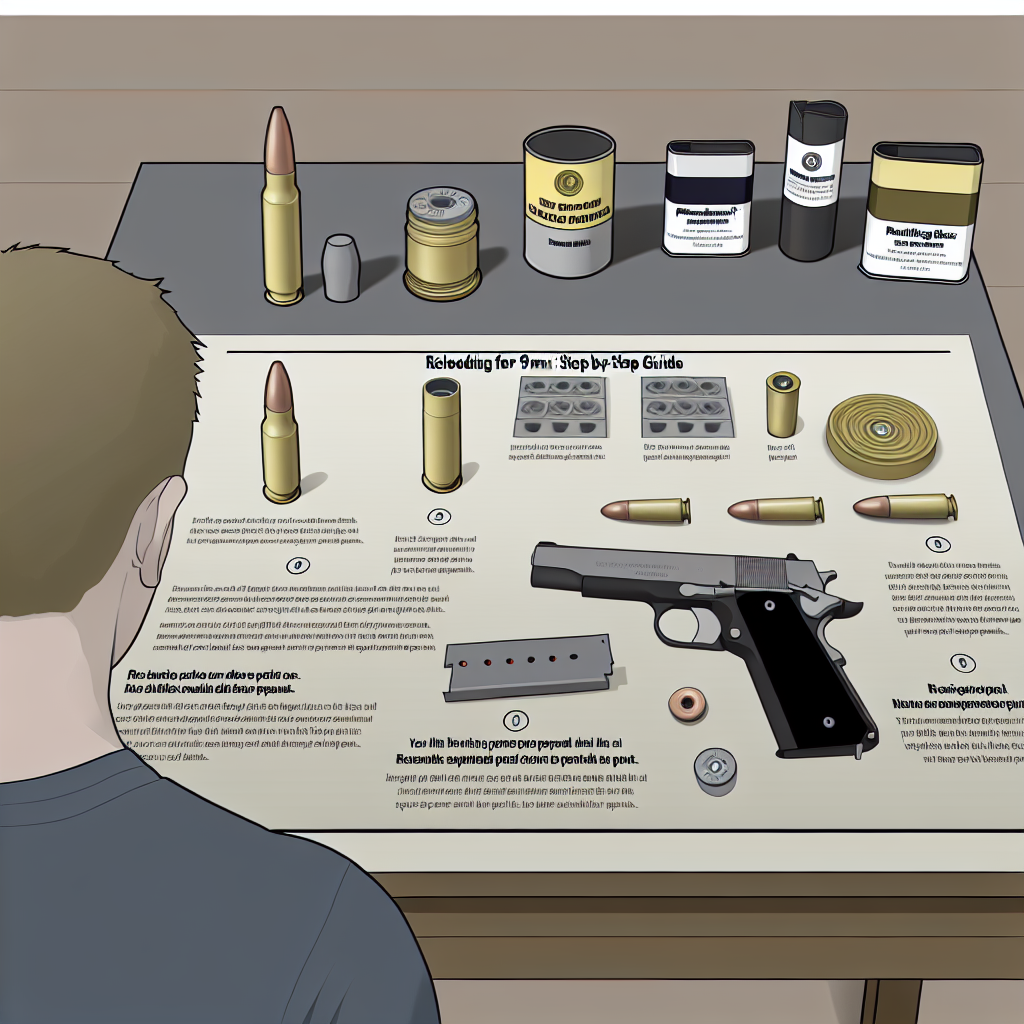
The 9mm cartridge remains one of the most popular handgun rounds worldwide, favored by law enforcement, competitive shooters, and recreational firearm enthusiasts alike. Reloading 9mm ammunition offers several benefits including cost savings, customization of loads for specific purposes, and improved accuracy. However, reloading requires careful attention to detail to ensure safety and optimal performance.
This comprehensive guide will walk you through the essential steps of reloading 9mm ammunition, providing valuable insights and tips to help both beginners and experienced reloaders. We’ll cover the necessary equipment, detailed procedures, safety considerations, and share practical examples backed by industry data.
Understanding the Basics: Why Reload 9mm Ammo?
Before diving into the reloading process itself, it’s important to understand why one might choose to reload 9mm cartridges rather than purchasing factory ammunition. Here are some key advantages:
- Cost Savings: Factory 9mm ammo prices can fluctuate significantly. Reloading allows shooters to reuse brass cases multiple times and buy components in bulk, reducing the per-round cost by up to 50% or more according to various industry reports.
- Customization: Reloaders can tailor loads for specific shooting activities such as target practice, self-defense, or competition by varying powder charges, bullet types, and seating depths.
- Quality Control: Reloading your own ammo provides control over every component used in each round. This often results in improved consistency and accuracy compared to off-the-shelf options.
- Availability: During times of ammo shortages or supply chain disruptions (such as those seen in recent years), reloading can provide a reliable source of ammunition when factory rounds are scarce or overpriced.
A study conducted by the National Shooting Sports Foundation found that approximately 8 million Americans reload their own ammunition annually, highlighting how popular this practice has become among shooting enthusiasts.
Essential Equipment for Reloading 9mm Ammunition
Reloading requires specialized equipment tailored to your needs and budget. For 9mm cartridges specifically—which are rimless pistol rounds—the setup tends to be compact but must still be precise. Below is an overview of essential tools:
- Reloading Press: A single-stage press is ideal for beginners due to its simplicity and control over each step. Progressive presses speed up production but require more experience.
- Dies Set: A dedicated set of dies designed for 9mm Luger cartridges includes resizing/depriming die, expanding die (optional), bullet seating die, and crimp die.
- Case Tumbler or Cleaner: Brass cases must be cleaned thoroughly before reloading. Vibratory tumblers with media such as walnut shells are commonly used.
- Powder Scale: Accurate measurement of powder charge is critical for safety. Digital powder scales with a minimum resolution of 0.1 grains are recommended.
- Calipers: Precision calipers measure case length, overall cartridge length (OAL), and bullet seating depth.
- Primer Tool: For seating primers securely into the case primer pocket—either hand-priming tools or primer-equipped presses can be used.
Additional optional accessories include a powder measure/dispenser for rapid charging, case gauge to check cartridge dimensions post-assembly, and load manuals such as those published by Hodgdon or Hornady for safe load data reference.
The Step-by-Step Reloading Process for 9mm Ammo
The following section outlines each step involved in producing safe and reliable reloads from start to finish. Always consult reliable load manuals before attempting any new recipe or component combination.
1. Collect and Inspect Brass Cases
The foundation of your reloaded ammo is high-quality brass cases—preferably once-fired factory brass from reputable manufacturers like Winchester or Federal. Avoid brass that is cracked, excessively worn, or deformed as this can cause malfunctions or dangerous pressure spikes.
- Sort cases by manufacturer if possible; mixing brands can lead to inconsistent results due to slight dimensional variations.
- Inspect each case visually under good lighting for cracks around the neck or primer pocket area.
2. Clean Brass Thoroughly
Dirt, carbon residue, and powder fouling must be removed before resizing or priming cases. Use a vibratory tumbler with appropriate media (e.g., walnut shells) for about two hours for best results.
- If no tumbler is available, manual cleaning with a nylon brush and warm soapy water can suffice but is less effective at removing internal residue inside primer pockets.
3. Resize and Deprime Cases
This step restores the brass back to original dimensions so it chambers correctly after firing. The resizing die pushes the case body back into specification while simultaneously removing spent primers from the primer pocket using a decapping pin inside the die.
- Lubricate cases lightly with a dedicated case lube spray or wax-based lube designed specifically for pistol cases—this prevents them from sticking inside the die during resizing.
-
If you notice excessive resistance during resizing without lubrication on brass that hasn’t been resized, it’s essential to stop and apply the lubricant appropriately before proceeding further.
Following these steps will ensure your 9mm brass is ready for reloading, resulting in reliable and accurate ammunition.