How to Reload with Cast Bullets: A Comprehensive Guide
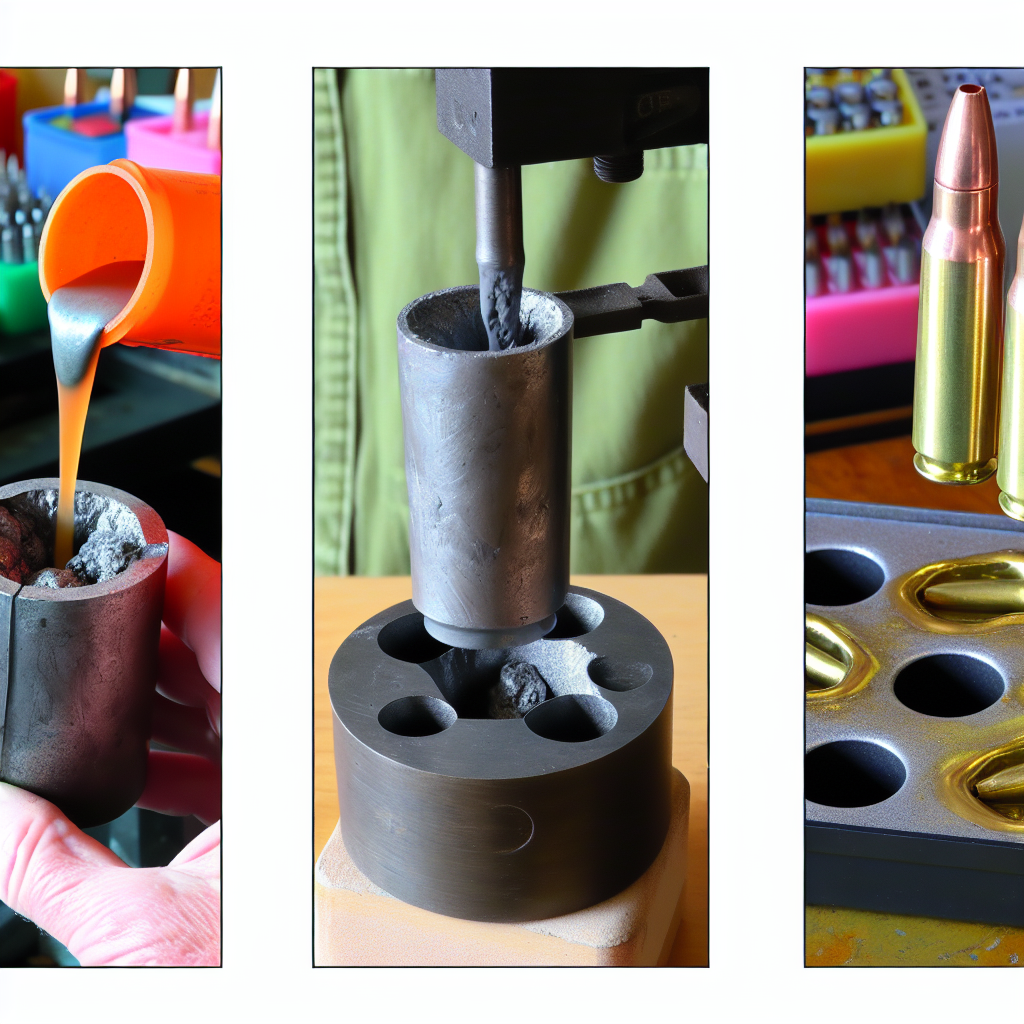
Reloading with cast bullets is a rewarding and cost-effective way to enjoy shooting while customizing your ammunition for specific needs. Unlike jacketed bullets, cast bullets are made by pouring molten lead alloy into molds, allowing shooters to tailor their loads for reduced barrel wear, improved accuracy, and economical shooting. This guide will walk you through the process of reloading with cast bullets, covering everything from bullet selection and alloy composition to sizing, lubing, and load development.
Understanding Cast Bullets: What Sets Them Apart?
Before diving into the reloading process, it’s essential to understand what cast bullets are and why shooters might prefer them. Cast bullets are typically made from lead or lead alloys and are formed by pouring molten metal into steel or aluminum molds. This contrasts with jacketed bullets that have a copper or other metal jacket over a lead core.
The primary advantages of cast bullets include:
- Cost-effectiveness: Lead is cheaper than copper-jacketed projectiles, making cast bullets more economical.
- Reduced barrel wear: Lead is softer than copper, which means less wear on rifling over time.
- Customization: Reloaders can adjust bullet hardness by altering alloy composition and can create custom bullet weights and shapes.
- Lower velocity loads: Cast bullets excel in lower velocity applications where jacketed bullets might deform or cause increased barrel fouling.
However, cast bullets do require careful attention during reloading because improper sizing or loading can lead to leading (lead deposits inside the barrel), poor accuracy, or even unsafe pressures.
Selecting the Right Alloy for Casting Bullets
The choice of alloy is crucial when casting your own bullets. The hardness of the bullet depends largely on the composition of the lead alloy used. Pure lead is too soft and will deform easily under pressure, leading to leading and poor accuracy. Therefore, alloying elements such as tin and antimony are added to improve hardness.
Common alloys used in bullet casting include:
- Wheel weights (automotive wheel weights): Typically contain lead with about 2-3% antimony; they offer moderate hardness but often require sorting due to contamination from zinc coatings.
- Pure lead with tin and antimony additions: A popular homemade alloy is approximately 6% tin and 4% antimony mixed with lead. This creates a hard yet somewhat malleable bullet suitable for high-velocity loads.
- Lyman #2 Alloy: Approximately 84% lead, 10% antimony, and 6% tin; well-known for producing hard cast bullets that resist leading at moderate velocities.
A study conducted by the NRA’s Precision Shooting division found that alloys with higher antimony content generally produced harder bullets that could withstand higher velocities without leading. However, these alloys may be more brittle and prone to chipping if not handled carefully during sizing.
The Importance of Proper Bullet Sizing
Sizing is one of the most critical steps in preparing cast bullets for reloading. Unlike jacketed bullets that come pre-sized from manufacturers, cast bullets must be sized carefully using a dedicated bullet sizer die to ensure consistent diameter and shape.
The key reasons sizing matters include:
- Avoiding Leading: If a bullet is too large for the bore diameter or forcing cone, it can cause excessive pressure leading to lead deposits inside the barrel.
- Ensuring Accuracy: Uniform diameter contributes significantly to consistent shot placement.
- Smooth Chambering: Properly sized bullets chamber smoothly without excessive resistance or deformation.
The typical approach involves measuring your firearm’s bore diameter using precision calipers or a bore gauge. Most cast bullet reloaders size their projectiles slightly undersized compared to groove diameter—usually between .001” to .003” smaller—to reduce friction and prevent leading. For example, if your rifle’s groove diameter is .308″, you might size your cast bullet at .306″ or .307″.
A good practice is to start with slightly undersized bullets and gradually work up until you find the sweet spot between accuracy and no leading. Some reloaders also use gas checks—small copper cups crimped onto the base of the bullet—to help prevent leading at higher velocities by protecting the base from hot gases.
Lubricating Cast Bullets: Techniques That Work
Lubrication plays an essential role in preventing barrel leading when shooting cast bullets. Proper lubrication reduces friction between the bullet’s surface and the rifling grooves while also helping seal gases behind the projectile for better velocity consistency.
Common lubrication methods include:
- Belt Lubricants: These are grease-like compounds applied manually into lubrication grooves cut around the bullet’s circumference. Popular commercial lubricants include Lyman #2 Special Lube or MP-15 Bullet Lube. They provide excellent protection but require manual application after casting.
- Melt-in Lubricants: These lubricants are poured onto hot bullets immediately after casting so they soak into grooves as they cool.
Examples include Lee Liquid Alox or Birchwood Casey Bullet Lube Concentrate mixed with paraffin wax, which can simplify the lubrication process and enhance performance.
By mastering these techniques, you can ensure your cast bullets perform reliably and efficiently, leading to a more enjoyable shooting experience.