How to Use a Case Tumbler Effectively
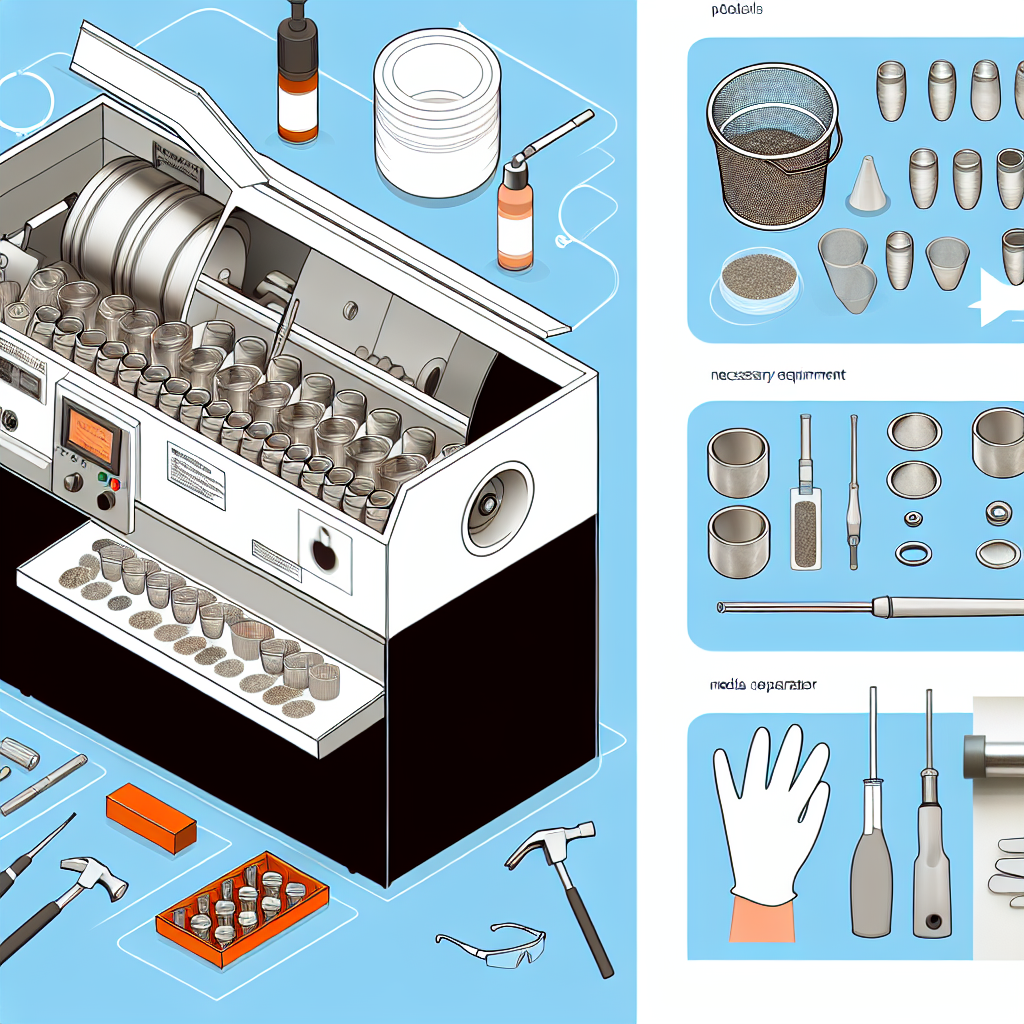
Reloading ammunition is a precise and rewarding hobby for many shooting enthusiasts, competitive shooters, and hunters. One essential step in the reloading process is cleaning and polishing cartridge cases before resizing, priming, and loading them with powder and bullets. A case tumbler is an indispensable tool for this task, helping reloaders achieve clean, shiny cases that contribute to consistent and reliable ammunition.
In this comprehensive guide, we’ll explore how to use a case tumbler effectively, including the types of tumblers available, the media used for cleaning, the process of tumbling cases safely and efficiently, and tips to maximize your results. Whether you’re a beginner or an experienced reloader looking to optimize your workflow, this article will provide valuable insights to help you get the most out of your case tumbler.
Understanding Case Tumblers: Types and Their Uses
Before diving into how to use a case tumbler effectively, it’s important to understand the different types available and their specific applications.
- Rotary Tumblers: These tumblers operate by rotating a barrel containing the cases and polishing media on a horizontal axis. Rotary tumblers are known for their quiet operation and excellent cleaning results but typically take longer—often 4-6 hours or more—for thorough cleaning.
- Vibratory Tumblers: Vibratory tumblers use rapid vibrations to agitate the polishing media against the cases. They usually clean faster than rotary tumblers—often in 30 minutes to 2 hours—but can be noisier. Vibratory tumblers are popular for their speed and efficiency.
- Wet vs. Dry Tumbling: Both rotary and vibratory tumblers can be used with dry media (such as crushed walnut shells) or wet media (such as stainless steel pins combined with a cleaning solution). Wet tumbling typically provides superior cleaning results but requires drying afterward.
Choosing the right tumbler depends on your priorities—whether that’s speed, noise level, cleaning quality, or ease of use.
Selecting the Right Media for Your Cases
The choice of tumbling media greatly influences how effectively your cases are cleaned and polished. Different media types are suited for different metals (brass versus steel) and levels of tarnish or residue.
- Crushed Walnut Shells: This is one of the most popular dry media options for brass cases. Walnut shells are gentle enough not to damage brass but effective at removing dirt, powder residue, and light oxidation while also polishing cases to a nice shine.
- Corn Cob Media: Similar to walnut shells but slightly softer. Corn cob works well for light cleaning but is less abrasive than walnut shells.
- Stainless Steel Pins: Often used in wet tumbling setups with rotary or vibratory tumblers. The pins help scrub off tough carbon buildup and tarnish when combined with water and a cleaning solution such as stainless steel cleaner or dish soap.
- Ceramic Media: More aggressive than natural materials; ceramic beads or shapes are used primarily in wet tumbling for tough cleaning jobs but can potentially damage softer brass if not carefully monitored.
A good rule of thumb is to start with walnut shell media for routine cleaning unless you have heavily tarnished or corroded cases that require wet tumbling with stainless steel pins.
The Step-by-Step Process of Tumbling Cases Effectively
Tumbling is straightforward but requires attention to detail at every step to avoid damaging your brass or producing poor results. Here’s an effective workflow:
- Inspect Cases Before Tumbling: Check each case for cracks, splits, dents, or other damage. Discard any compromised cases before cleaning.
- Pre-Clean if Necessary: If your fired cases are extremely dirty or have carbon buildup around the primer pocket or inside the case necks, consider pre-cleaning them by soaking in warm soapy water or using a primer pocket cleaner brush before tumbling.
- Add Media and Cases to Tumbler: Fill your tumbler barrel or bowl approximately half full with your chosen media. Add your cleaned cases so they have room to move freely during tumbling without overcrowding.
- Add Cleaning Solution (for Wet Tumbling): If using wet tumbling with stainless steel pins or ceramic media, add distilled water along with a few drops of mild detergent or specialized cleaner according to manufacturer instructions.
- Tumble for Recommended Duration: Follow manufacturer guidelines based on your tumbler type and chosen media:
- Rotary Tumblers: Usually require 4-6 hours (or overnight) for dry media; less time may be needed if wet tumbling is used.
- Vibratory Tumblers: Typically clean thoroughly within 30 minutes to 2 hours depending on case condition.
- Dismount Cases from Media: After tumbling completes, separate your brass from the media carefully:
- A mesh sieve works well for walnut shell or corn cob media since it allows debris and dust to fall through while retaining cases.
Make sure to inspect your cases after tumbling to ensure they are clean and free of any remaining debris.
With proper use, a case tumbler can significantly enhance the cleanliness and longevity of your brass cases.