Reloading for Muzzleloaders: An Introduction
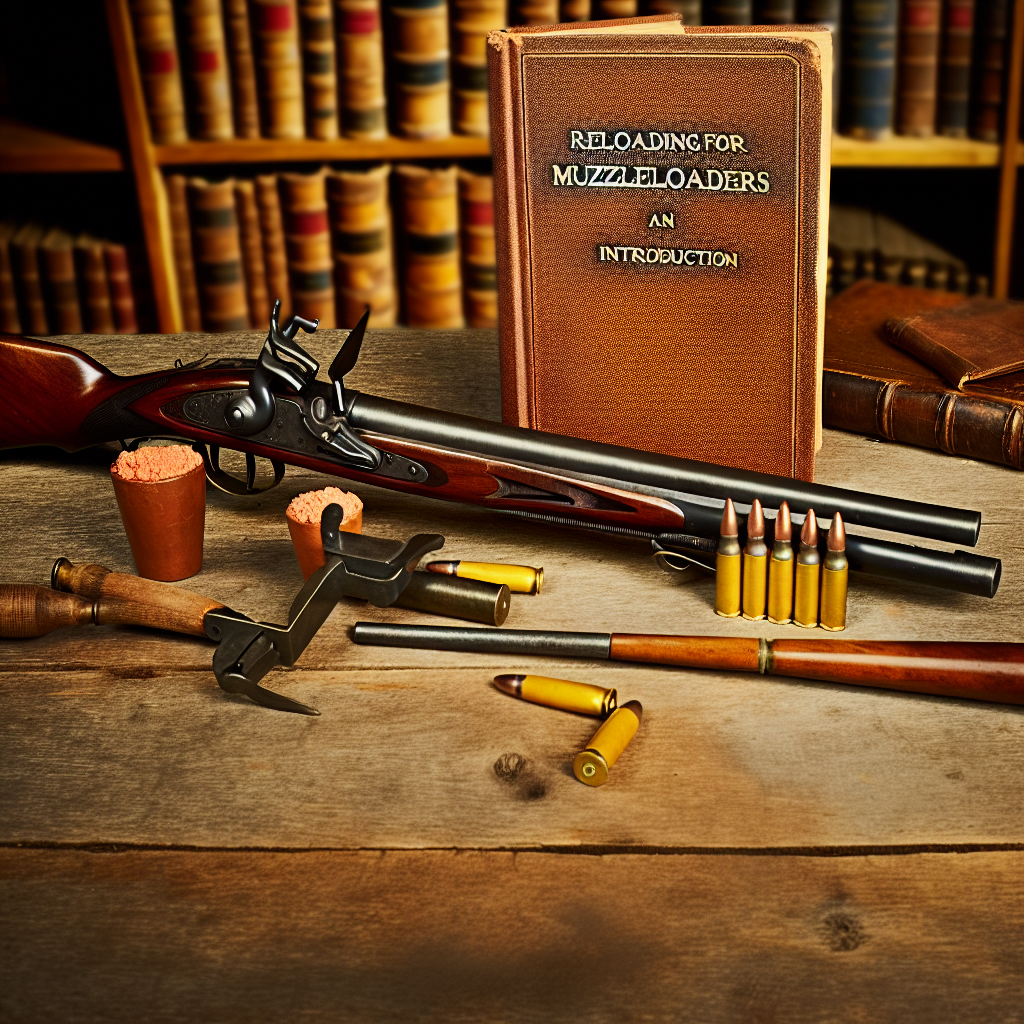
Muzzleloading firearms represent a fascinating blend of history, craftsmanship, and shooting skill. Whether you’re a seasoned black powder enthusiast or a newcomer eager to explore the world of traditional shooting, understanding the fundamentals of reloading for muzzleloaders is essential. This comprehensive guide aims to introduce you to the basics of muzzleloader reloading, covering key concepts, safety considerations, tools required, and tips for achieving consistent performance.
The History and Appeal of Muzzleloaders
Muzzleloaders date back several centuries and were the primary firearms used before the advent of cartridge-based guns. These weapons are loaded from the muzzle or front end of the barrel, which distinguishes them from modern breech-loading firearms. The process requires loading powder, patching material, and a projectile individually.
In recent decades, muzzleloading has experienced a resurgence as a sport and hobby. According to the National Shooting Sports Foundation (NSSF), muzzleloader sales increased by over 20% in the last five years, driven by interest in historical reenactment, primitive hunting seasons, and black powder shooting competitions.
The appeal lies not only in the challenge and nostalgia but also in the unique ballistics and craftsmanship involved in maintaining these classic firearms. Reloading your own ammunition adds another layer of engagement and self-sufficiency that many shooters find rewarding.
Understanding Muzzleloader Reloading Basics
Reloading a muzzleloader involves several distinct steps that differ significantly from modern cartridge reloading. Below are the fundamental components involved:
- Black Powder or Substitute: The propellant used to generate gas pressure and propel the bullet forward.
- Patching Material: Typically cotton or linen patches that wrap around the projectile to ensure a tight seal within the barrel.
- Projectile: Usually round balls or conical bullets designed specifically for muzzleloaders.
- Priming System: Depending on your firearm type (flintlock, percussion cap), this involves igniting the powder charge.
The reloading process typically follows this sequence: pouring powder into the barrel, seating a lubricated patch over the muzzle, followed by pressing in the projectile using a ramrod until it is firmly seated against the powder charge. The priming system is then prepared separately before firing.
A critical aspect of reloading is measuring powder charges accurately. Unlike cartridge reloads with fixed cases, muzzleloader charges are measured by volume or weight using powder measures or scales to ensure safety and consistency.
Essential Tools and Equipment for Reloading
Before starting your journey into muzzleloader reloading, assembling the right tools will enhance safety and efficiency:
- Powder Measure or Scale: To accurately dispense black powder or substitutes such as Pyrodex or Triple Seven.
- Patching Material: Pre-cut patches made from cotton or linen designed for your caliber size.
- Muzzleloader Bullets: Round balls or conical bullets compatible with your firearm’s bore diameter.
- Lubricants: Bullet lubes prevent fouling buildup and ease loading; popular options include bore butter or specialized black powder lubricants.
- Ramrod: Typically provided with your firearm; used to seat powder and projectiles firmly in place.
- Cleaning Supplies: Black powder fouling requires thorough cleaning after each session; cleaning rods, brushes, solvents specific to black powder are recommended.
A well-organized workspace is also important. Black powder is highly flammable; keeping it away from open flames and sparks is critical. Many shooters use dedicated benches with fireproof mats and containers designed specifically for black powder handling.
Safety Considerations When Reloading Muzzleloaders
Muzzleloader reloading demands strict adherence to safety protocols due to the volatile nature of black powder and its substitutes. Here are key safety practices every shooter should follow:
- No Smoking Near Powder: Black powder ignites easily; smoking near it can cause accidental fires or explosions.
- Avoid Static Electricity: Static sparks can ignite fine powder dust; grounding yourself before handling powders reduces risk.
- Use Proper Containers: Store powders in original containers or approved canisters that prevent moisture ingress and accidental ignition.
- Cautiously Measure Charges: Overcharging can lead to catastrophic firearm failure; always double-check measurements against reliable load data.
- Clean Firearms Thoroughly After Use: Residual fouling left inside barrels can cause dangerous pressures on subsequent shots if not removed properly.
- Avoid Mixing Powders: Never mix different types of powders within your loading sequence unless explicitly specified by manufacturers.
A case study from an investigation report by the Bureau of Alcohol, Tobacco, Firearms and Explosives (ATF) highlights how improper storage led to an accidental ignition during transport — underscoring why following strict guidelines is essential when handling black powder ammunition components.
Tuning Loads for Accuracy and Performance
Muzzleloader enthusiasts often experiment with various loads to optimize accuracy for hunting or target shooting.
Key factors influencing performance include bullet weight, powder type, and environmental conditions. Understanding these elements can greatly enhance your shooting experience.
By adhering to safe reloading practices, you can enjoy the rewarding experience of muzzleloading while minimizing risks.