How to Reload for Suppressors: Low Noise Loads
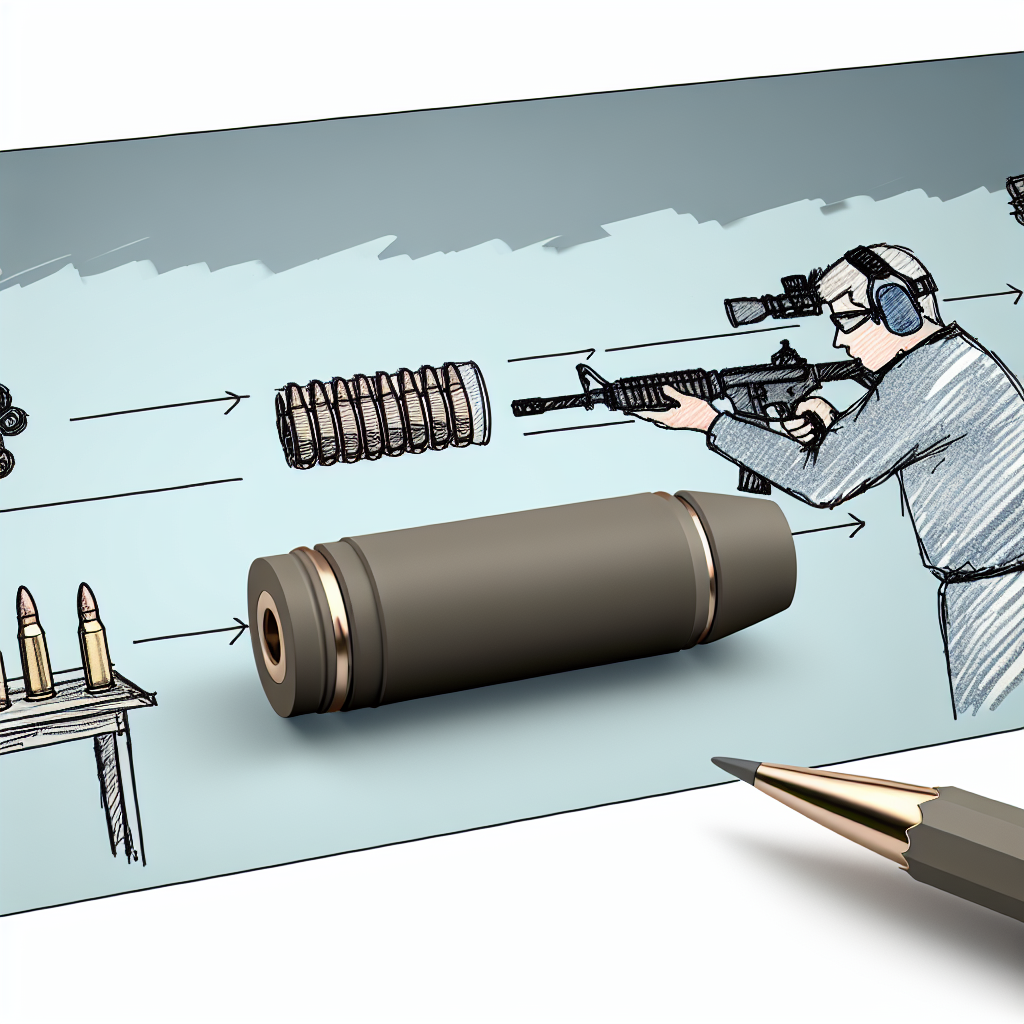
The use of suppressors, commonly known as silencers, has grown significantly in recent years among hunters, sport shooters, and tactical enthusiasts. Suppressors reduce the noise signature of firearms, making shooting more enjoyable and less disruptive to the environment. However, to maximize the benefits of a suppressor, it’s crucial to use ammunition that complements its design—namely, low noise loads.
Reloading your own ammunition specifically tailored for suppressed shooting can dramatically improve performance, reduce noise even further, and extend the life of your equipment. This article explores how to reload for suppressors with low noise loads, providing insights into powder selection, bullet choice, and overall load development strategies.
Understanding Suppressor Functionality and Noise Reduction
Before diving into reloading techniques, it’s important to understand how suppressors work and what factors contribute to noise reduction. Suppressors primarily reduce two types of noise:
- Muzzle blast: The explosive release of gases when a bullet exits the barrel.
- Sonic crack: The sound produced when a bullet travels faster than the speed of sound (supersonic speeds).
Suppressors trap and slowly release these gases, dampening the muzzle blast. However, if the bullet is supersonic, it creates a sonic boom that suppressors cannot mitigate.
This understanding guides reloading decisions: using subsonic loads (where bullets travel below approximately 1125 feet per second at sea level) minimizes sonic crack noise. Consequently, reloading for suppressors often involves crafting subsonic ammunition with powders and bullets optimized for quiet shooting.
Choosing the Right Components for Low Noise Loads
The foundation of effective suppressed ammunition is selecting appropriate components. This includes cases, primers, powders, bullets, and primers designed or suited for subsonic velocities and clean burning characteristics.
Powder Selection
The choice of powder is arguably the most critical factor in developing low noise loads for suppressors. Ideal powders burn cleanly at lower pressures and produce minimal muzzle flash and report. Some popular powders for subsonic reloading include:
- Hodgdon H110: A fast-burning powder that performs well in pistol cartridges like 9mm and .45 ACP when loaded subsonically.
- Alliant Unique: Known for consistent burning at reduced charges with moderate pressure curves.
- IMR Trail Boss: Specifically designed for reduced loads in pistol cartridges; excellent for subsonic applications due to its fast burn rate and low flash.
- Vihtavuori N320/N340: Popular powders among precision shooters creating subsonic rifle rounds like .300 Blackout.
The goal is to find a powder that reliably ignites at reduced charges without producing excessive unburnt powder or erratic pressures that could increase noise or harm the firearm.
Bullet Selection
The bullet type significantly affects sound signature and terminal performance. Considerations include weight, shape, material, and velocity compatibility:
- Heavier Bullets: Heavier bullets maintain momentum at subsonic speeds better than lighter ones. For example, in .300 Blackout suppressed rifles, 190-220 grain bullets are preferred over lighter ones for quietness and energy delivery.
- Semi-Wadcutter or Round Nose Bullets: These shapes tend to be more stable at lower velocities compared to pointed VLD-style bullets that rely on high velocity stabilization.
- Copper or Lead Bullets: Lead-core bullets often offer better accuracy at subsonic speeds due to their density; however, copper monolithic bullets are cleaner burning with less barrel fouling.
- Subsonic-Specific Bullets: Some manufacturers design bullets specifically optimized for suppressed firearms to minimize gas blow-by and reduce barrel harmonics.
Casing and Primer Considerations
A good case with consistent neck tension ensures uniform velocity—vital in suppressor loads where velocity fluctuations can increase noise or reduce accuracy. Likewise, using match-grade primers can improve ignition consistency without excessive pressure spikes that produce louder reports.
Developing Subsonic Loads: Step-by-Step Guide
The process of developing effective low noise loads involves careful experimentation under safe conditions. Below is a structured approach:
1. Research Load Data
The first step is consulting trusted reloading manuals such as Hodgdon Reloading Data Center or powder manufacturer guides to find published subsonic load data relevant to your cartridge. For instance:
- .300 AAC Blackout with 220-grain bullets typically uses 10-12 grains of Hodgdon CFE BLK or IMR Trail Boss as starting points.
- .45 ACP subsonic loads may use IMR Trail Boss or Alliant Unique with heavier bullets around 230 grains at reduced charges.
This research provides safe starting points but should be validated with your specific components as variances exist between brands.
2. Load Incrementally
Create test batches starting at minimum recommended charges below supersonic thresholds.
Record each load’s velocity using a chronograph to ensure they remain subsonic and adjust as necessary based on performance. This careful approach will help you achieve the desired low noise output for your suppressor.
With patience and attention to detail, you can develop effective low noise loads that enhance your shooting experience.