Reloading Ammo for Airguns: What You Need to Know
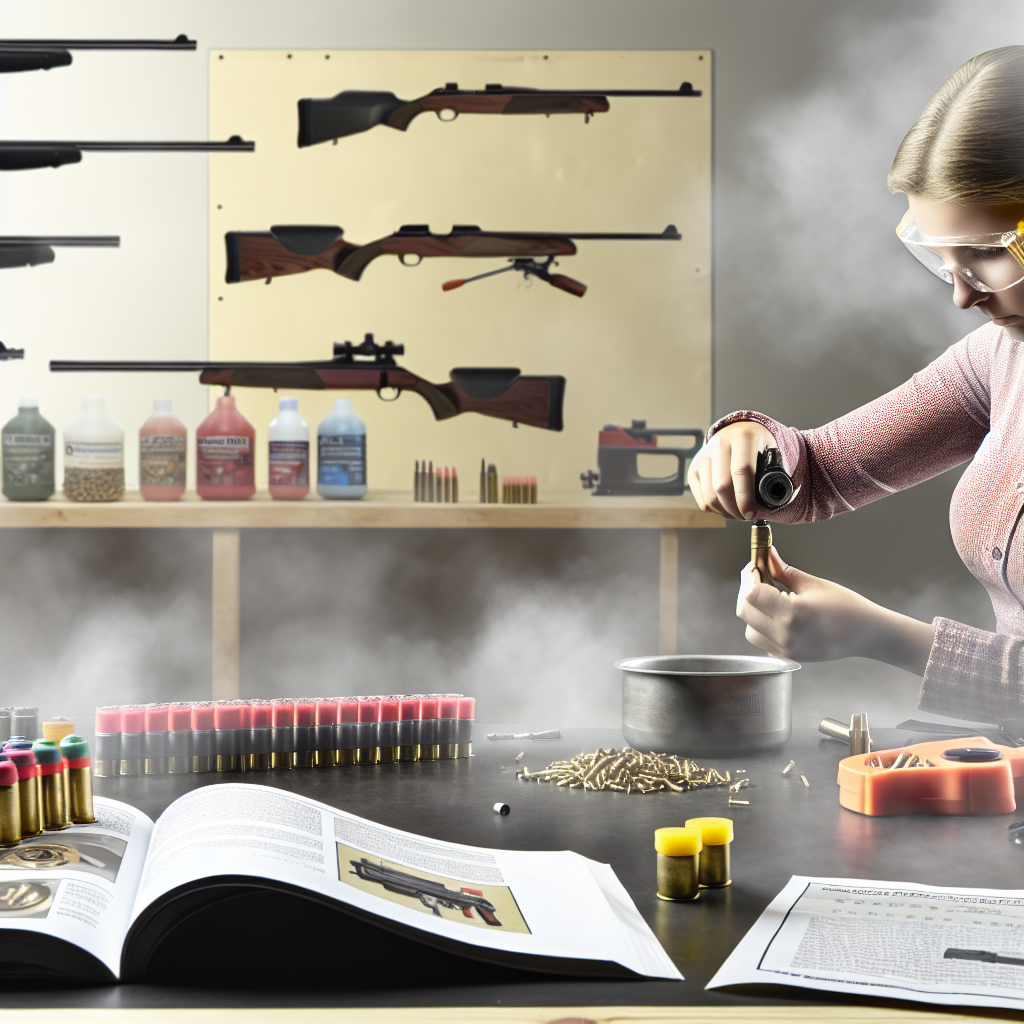
Airguns have surged in popularity over recent years, attracting enthusiasts ranging from casual plinkers to serious competitive shooters. One aspect that often piques the curiosity of airgun users is the idea of reloading ammo. While reloading is a well-established practice in traditional firearms, the concept as it applies to airguns presents unique challenges and opportunities. This article delves into everything you need to know about reloading ammo for airguns, offering insights, best practices, and considerations that every airgunner should be aware of.
Understanding Airgun Ammunition Basics
Before diving into the specifics of reloading, it’s crucial to understand the types of ammunition used in airguns and how they differ from conventional firearm rounds.
- Pellets: The most common type of ammunition for air rifles and pistols. Typically made from lead or alloy, pellets come in various shapes—wadcutter, domed, pointed, hollow point—each designed for different shooting purposes.
- BBs: Small steel or lead spheres, usually 4.5mm (.177 caliber) in diameter. BBs are often used in lower-powered airguns and are less aerodynamic than pellets.
- Slug Ammunition: Emerging as a trend in high-powered PCP (Pre-Charged Pneumatic) rifles, slugs resemble miniaturized bullets and offer improved accuracy at longer distances compared to traditional pellets.
Unlike firearm cartridges that combine primer, powder, and projectile into a single unit, airgun ammo is generally just the projectile itself. The propulsion mechanism relies on compressed air or gas rather than combustion. This fundamental difference shapes the entire discussion around reloading.
The Concept of Reloading Airgun Ammo: Is It Possible?
The term “reloading” traditionally refers to the process of assembling spent cartridge cases with new primers, powder charges, and bullets. Since most airgun ammo consists solely of projectiles without casings or powder charges, conventional reloading doesn’t apply directly.
However, several facets related to “reloading” or preparing ammo for airguns are worth exploring:
- Casting Your Own Pellets: Some enthusiasts melt lead and cast their own pellets using molds. This can be considered a form of “reloading” since you’re producing your own projectiles instead of buying commercial ones.
- Modifying or Reusing BBs: Though less common due to their uniform shape and composition, some shooters experiment with coating or polishing BBs for improved performance.
- Reloading Slug Ammo Cases: For PCP rifles that use slug ammunition with actual cartridge cases (a relatively new development), traditional reloading techniques may be applicable but require specialized equipment and knowledge.
The takeaway is that while standard reloading as understood by firearm users doesn’t apply broadly to typical airgun ammo types, creative approaches exist for those who want to produce or enhance their own projectiles.
Casting Pellets: How to Make Your Own Airgun Ammo
Casting your own pellets is perhaps the closest equivalent to reloading for traditional firearms within the airgun community. It offers cost savings, customization options, and a deeper connection with your shooting hobby.
The Process of Pellet Casting
Casting pellets involves melting lead (or lead alloys) and pouring it into pellet molds specifically designed for different pellet shapes and calibers.
- Materials Needed:
- Lead ingots (often recycled from fishing weights or wheel weights)
- A pellet casting mold (available online or from specialty suppliers)
- A melting pot or crucible suitable for lead
- A heat source such as a propane burner or electric furnace
- A ladle for pouring molten lead
- PPE including gloves and eye protection
- Steps Involved:
- Melt the lead safely at around 700°F (370°C).
- Pour molten lead carefully into the mold cavities.
- Allow the lead to cool and solidify before opening the mold.
- Remove cast pellets and perform any necessary finishing such as trimming sprues or polishing surfaces.
The Benefits of Pellet Casting
- Cost Efficiency: Commercial pellets can be expensive; casting your own reduces per-pellet costs significantly over time.
- Customization: Tailor pellet weight and shape to match your shooting style or specific gun performance characteristics.
- Sustainability: Recycling lead minimizes waste and environmental impact when done responsibly.
Considerations and Risks
- Toxicity: Lead exposure is hazardous; always work in well-ventilated areas with proper safety gear.
- Mold Quality: Low-quality molds may produce inconsistent pellet shapes leading to poor accuracy.
- Lack of Standardization: Homemade
Lack of Standardization: Homemade pellets may not conform to the same specifications as commercially available options, which can affect performance. It’s essential to test your cast pellets thoroughly to ensure they meet your needs.
In summary, reloading ammo for airguns can be a rewarding process, offering both customization and cost savings when done safely and responsibly.