Reloading Safety Gear: What You Need to Protect Yourself
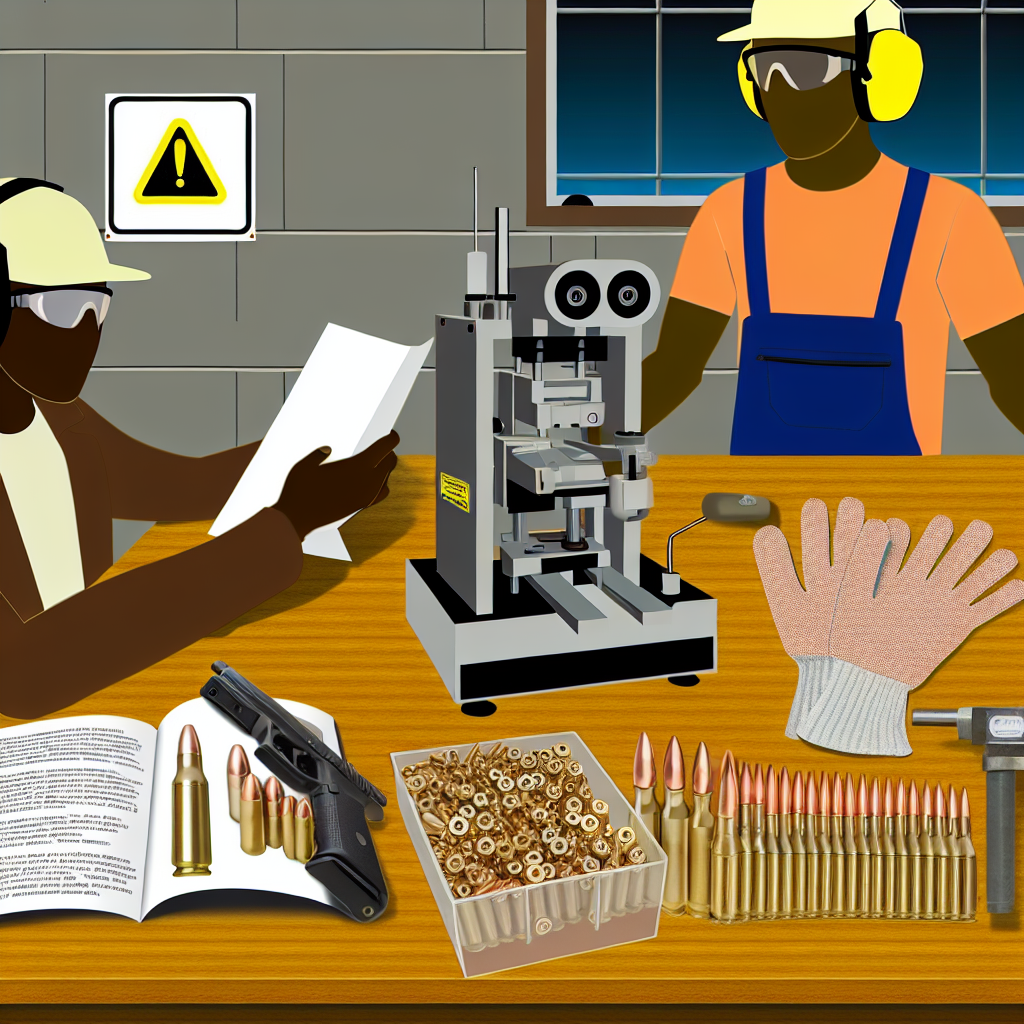
Reloading ammunition is a rewarding hobby and practical skill for many firearm enthusiasts, hunters, and competitive shooters. It allows for customization, cost savings, and precise control over the performance of each round. However, the process involves handling explosive powders, primers, and delicate components, which can pose serious risks if proper safety measures are not observed.
This article explores the essential safety gear you need when reloading ammunition. We will cover why safety is paramount, what specific gear is recommended, real-world examples of accidents that highlight these needs, and tips to maintain a safe reloading environment. By understanding and implementing these safety protocols, you can protect yourself and others while enjoying this meticulous craft.
Understanding the Risks of Reloading Ammunition
Reloading ammunition involves assembling multiple components — brass casings, primers, gunpowder, and bullets — into a functional cartridge. Each step requires precision and care because any mistake can lead to dangerous malfunctions or explosions.
Some of the primary risks associated with reloading include:
- Primer ignition: Primers are small but powerful explosive devices used to ignite gunpowder. Mishandling or accidental detonation can cause serious injury.
- Powder spills and static discharge: Gunpowder is highly flammable. Static electricity or sparks can ignite spilled powder.
- Incorrect powder charges: Overcharging or undercharging powder can cause cartridge failure or firearm damage.
- Equipment malfunction: Presses and other mechanical tools can pinch fingers or create hazards if not used properly.
A report by the National Shooting Sports Foundation (NSSF) indicates that while reloading accidents are relatively rare compared to shooting incidents, when they do occur they tend to result in severe injuries such as burns, lacerations, or even loss of fingers. This highlights the importance of using appropriate safety gear every time you reload.
Essential Reloading Safety Gear: Protecting Your Body
The most fundamental aspect of reloading safety is protecting your body from physical harm. Here are the essential items you should never be without:
1. Safety Glasses
Eye protection is critical when working with primers and powders that could explode or spray debris unexpectedly.
- Choose impact-resistant glasses rated for ballistic protection (e.g., ANSI Z87.1 standard).
- Wraparound styles help shield eyes from side splashes or flying particles.
- Avoid tinted lenses unless working outdoors in bright sunlight; clear lenses provide better visibility indoors.
Case Study: In a documented incident reported by a reloader forum user, failure to wear eye protection resulted in shards from a primer detonation causing permanent eye damage. This underscores why glasses should be worn at all times during reloading.
2. Hearing Protection
You might think hearing protection isn’t necessary during the quiet act of reloading itself; however, many reloaders also test fire their ammunition immediately afterward in the same vicinity.
- Shooting ranges often require earplugs or earmuffs due to noise exposure exceeding safe limits (85 decibels).
- If you’re testing rounds at home on your property or range, always wear hearing protection to prevent noise-induced hearing loss.
3. Protective Gloves
Chemical-resistant gloves protect your skin from exposure to cleaning solvents, lubricants, and powders which may cause irritation or allergic reactions.
- Nitrile gloves offer good dexterity while providing resistance against chemicals used in case cleaning and powder handling.
- Avoid bulky gloves that reduce fine motor control needed for delicate operations like priming cases or measuring powder charges.
4. Respiratory Protection
The dust generated from powders and cleaning agents can be harmful if inhaled repeatedly over time.
- A quality dust mask or respirator with P100 filters helps prevent inhalation of fine particulate matter.
- This is especially important when dealing with lead residues during bullet casting or case cleaning.
The Role of Proper Clothing and Work Environment in Reloading Safety
Your choice of clothing and workspace setup plays an equally important role in mitigating risks associated with reloading ammunition.
Clothing Recommendations
- Avoid synthetic fabrics: Materials like polyester generate static electricity that can ignite powder spills. Instead, wear cotton or natural fiber clothing which dissipates static charge more safely.
- Tight-fitting sleeves: Loose clothing increases risk of snagging on equipment and spilling powders accidentally.
- Chemical-resistant aprons: These protect your torso from chemical splashes during cleaning processes and powder handling tasks.
Create a Safe Workspace Environment
- Well-ventilated area: Prevent buildup of fumes by working in spaces with good airflow; use exhaust fans if necessary.
- No open flames or sparks: Reloading areas must be free from ignition sources such as smoking materials, pilot
lights, and any other potential sources of ignition to ensure a safe reloading environment.
By following these safety measures, you can significantly reduce the risks associated with reloading ammunition.