Reloading for Self-Defense Ammunition: What You Need to Know
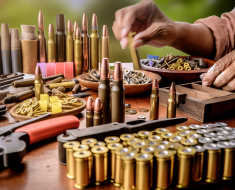
In recent years, the practice of reloading ammunition has gained popularity among firearm enthusiasts, hobbyists, and even those focused on self-defense. Reloading offers several advantages such as cost savings, customization, and increased reliability. However, when it comes to self-defense ammunition, reloading is a nuanced topic that requires careful consideration and knowledge to ensure safety and effectiveness.
This article delves deep into the essential aspects of reloading for self-defense ammunition. Whether you are a seasoned reloader or just considering the option for your defensive carry or home defense rounds, understanding the critical factors involved is crucial for responsible ownership and optimal performance.
Understanding the Importance of Quality in Self-Defense Ammunition
Self-defense ammunition is not just any ammunition; it must perform reliably under high-stress conditions and deliver stopping power without over-penetration or failure. The stakes are high when it comes to personal protection, making the quality of every round paramount.
Unlike target shooting or plinking, where slight variations in performance might be acceptable, self-defense rounds demand:
- Consistent Velocity: To ensure predictable bullet expansion and penetration.
- Reliable Feeding: To prevent malfunctions during critical moments.
- Proper Expansion: To maximize stopping power while minimizing collateral damage.
Ammunition failures or inconsistencies can lead to catastrophic consequences. According to a 2019 study by the FBI’s Firearms Training Unit analyzing thousands of defensive shootings, approximately 20% of reported malfunctions were linked to ammunition failures or inconsistencies. This statistic underscores why many experts caution against using untested or poorly assembled reloads for defense purposes.
The Benefits and Risks of Reloading Self-Defense Ammo
Reloading has clear benefits but also inherent risks, especially when applied to self-defense ammunition:
Benefits
- Cost Savings: Factory-loaded defensive rounds can be expensive. Reloading allows shooters to reduce costs significantly by reusing brass and buying components in bulk.
- Customization: Reloaders can tailor loads to specific firearms, optimizing recoil management, accuracy, and terminal ballistics.
- Availability: In times of supply shortages — such as during the COVID-19 pandemic — reloaders could maintain access to ammunition when factory ammo was scarce.
Risks
- Lack of Testing: Custom loads may not have undergone rigorous testing like commercial self-defense ammo tested by manufacturers under various conditions.
- Potential for Overpressure Loads: Miscalculations can lead to dangerous overpressure rounds that damage firearms or injure shooters.
- Legal and Liability Issues: In some jurisdictions or legal scenarios, using handloaded defensive ammo may complicate justifications in court if performance is questioned.
The key takeaway is that while reloading can be advantageous, it demands discipline, precision, and thorough testing before trusting these rounds for life-or-death situations.
Key Components of Reloaded Self-Defense Ammunition
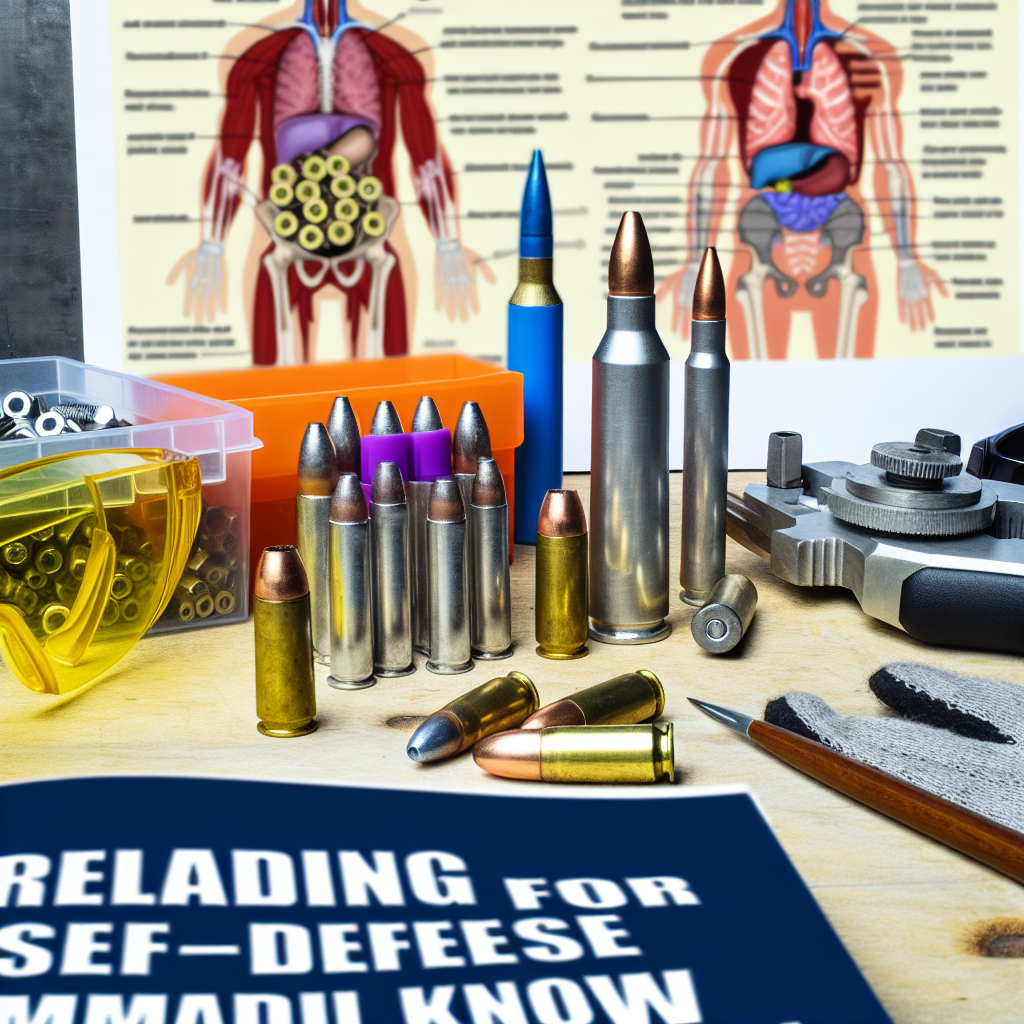
Ammunition consists of four primary components: brass casing, primer, powder charge, and bullet. When reloading for self-defense purposes, attention to each component’s quality and compatibility is essential.
Brass Cases
The brass case must be in excellent condition since structural integrity affects pressure containment. Many reloaders prefer once-fired brass from reputable manufacturers rather than unknown sources. Cases should be inspected carefully for cracks, dents, or signs of excessive wear before reuse.
Primers
The primer ignites the powder charge; its reliability is critical. Many reloaders choose premium primers designed specifically for defensive calibers due to their consistent ignition properties. Using military surplus or low-quality primers increases misfire risk.
Powder Charges
Selecting the right powder type and charge weight is perhaps the most technical aspect. Defensive loads typically use powders that burn cleanly with moderate pressures to optimize velocity without excessive recoil. Popular powders for common calibers like 9mm include Hodgdon Titegroup or Alliant Unique due to their predictable burn rates suitable for hollow-point bullets often used in defense rounds.
Bullets
The bullet design directly impacts terminal performance. For self-defense purposes, hollow-point bullets are favored because they expand upon impact, creating larger wound channels while reducing over-penetration risks. Brands like Speer Gold Dot and Hornady Critical Defense have established reputations based on extensive testing with consistent expansion characteristics.
- Semi-jacketed hollow points (SJHP): Often preferred because they balance expansion with penetration effectively.
- Total metal jacket (FMJ): Not recommended for defense due to limited expansion and risk of over-penetration.
The Importance of Testing Your Reloaded Defensive Loads
No matter how precise your reloading process is on paper, empirical testing is non-negotiable before trusting handloads for self-defense use. Testing should focus on functionality within your firearm as well as terminal ballistics performance through ballistic gelatin or similar media simulations.
A recommended testing protocol includes firing multiple rounds to ensure reliability and observing how the ammunition performs in real-world scenarios. Always prioritize safety and accuracy during this process.
Ultimately, investing time in reloading and testing your self-defense ammunition can significantly enhance your preparedness and confidence.