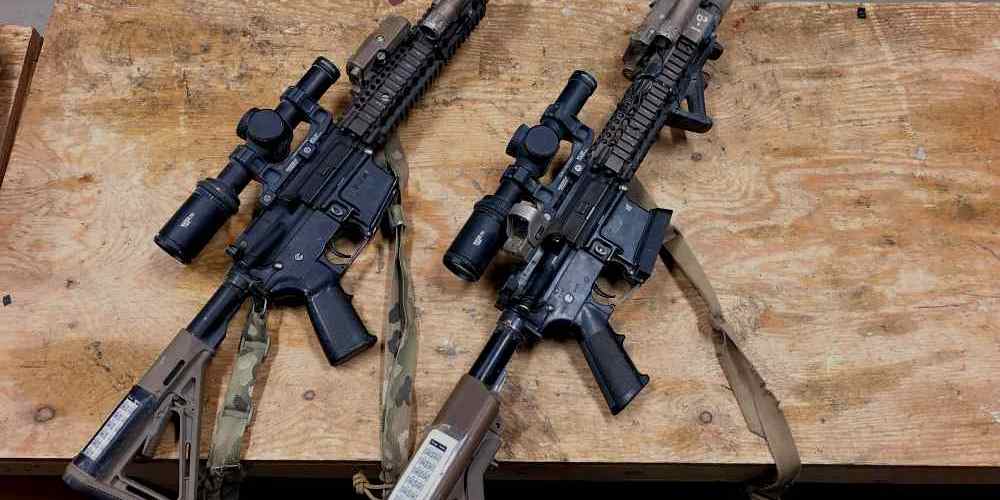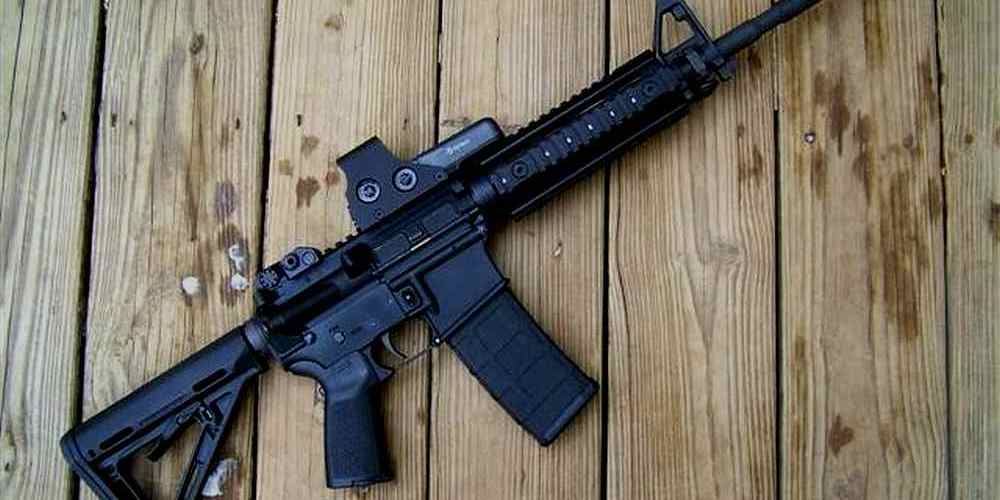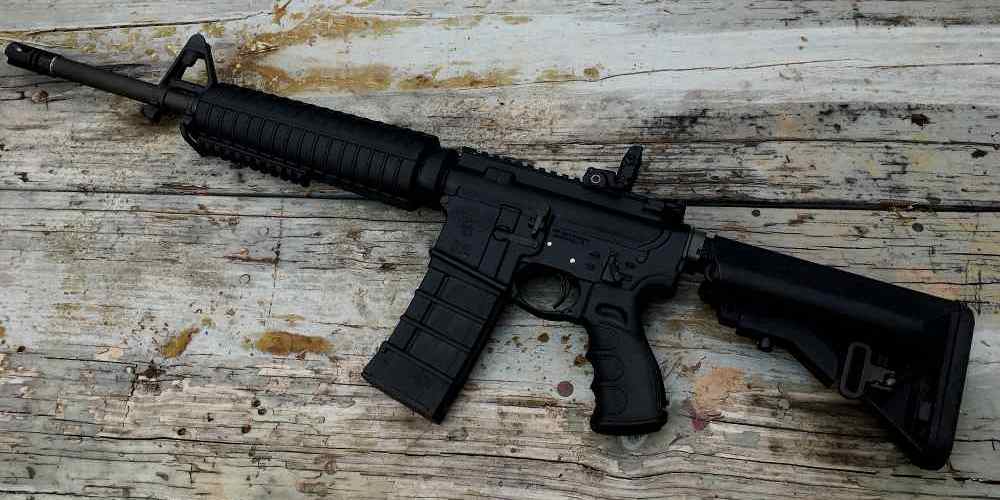
Cheap AR-15 uppers are popular for a reason: they make the platform more accessible, easier to customize, and tempting for shooters who want to stretch a budget without sacrificing the familiar ergonomics of the rifle. But when owners expect match-grade precision from a low-cost upper, disappointment often follows. The truth is that accuracy is the product of many parts working together, and budget manufacturing choices can create small inconsistencies that add up quickly downrange. For responsible gun owners, understanding those limits is part of choosing the right equipment for the job, whether the goal is range use, hunting, competition, or home defense.
Why Budget AR-15 Uppers Miss the Mark
Cheap AR-15 uppers usually fall short of accuracy expectations because they are built to hit a price point first. That does not automatically mean they are unsafe or unusable, but it does mean tighter tolerances, higher-grade materials, and extra finishing work may be reduced or skipped. In practical terms, a budget upper may still function reliably, yet group sizes can open up when the barrel, receiver, and bolt carrier group do not align as precisely as they should. For shooters used to reading a rifle by feel and performance, those small inconsistencies are easy to notice on paper.

One of the biggest reasons inexpensive uppers disappoint is that accuracy depends on consistency shot after shot, and consistency is expensive. A rifle that feels fine during casual plinking can still show vertical stringing, wandering zero, or wider groups once heat builds up or the shooter starts using better ammunition. Historically, the AR platform has been praised for modularity and decent inherent accuracy, but that reputation comes from rifles assembled with attention to detail. Budget builds often save money by loosening inspection standards, using less refined machining, or choosing parts that meet minimum rather than optimal specifications.
There is also a common misunderstanding among new buyers that the upper alone determines accuracy. In reality, the whole system matters: ammunition quality, optic mounting, barrel condition, trigger control, and even shooter technique all play major roles. Still, the upper is where many of the mechanical foundations are set. If the barrel extension is uneven, the receiver face is not square, or the gas system introduces stress, the rifle may never realize its full potential no matter how careful the shooter is. That is why experienced owners often view a budget upper as a functional starting point, not a precision instrument.
Key Parts That Limit Accuracy in Cheap Uppers
The barrel is usually the most important factor, and it is often where cost-cutting shows up first. Budget uppers may use barrels with less consistent bore dimensions, rougher crowns, or lower-quality steel and chrome lining. Those details matter because the bullet’s travel is affected by every imperfection as it exits the muzzle. A sloppy crown, for example, can disturb gas release and destabilize the projectile, while inconsistent rifling can produce unpredictable dispersion. Even if the rifle cycles correctly, a barrel that is not carefully made will struggle to deliver tight groups.
Receiver fit and assembly quality also play a major role. In a low-cost upper, the barrel may not seat as precisely in the receiver, the barrel nut may not be torqued with the same attention, or the handguard may place pressure on the barrel in ways that change point of impact. The AR-15 is a semi-automatic system, and the way parts are aligned affects how harmonically stable the barrel remains during firing. If the upper is built with little regard for stress relief and alignment, the rifle may shoot differently as it heats up, making it harder for the owner to maintain confidence in the zero.
The bolt carrier group, gas system, and even the optic mounting surface can influence practical accuracy as well. A poor-quality bolt may not lock up with the same repeatable consistency, and a gas system that is overgassed or improperly tuned can increase felt recoil and disturb the shooter’s sight picture. On top of that, some budget uppers use rail systems or carry handle interfaces that do not hold accessories as rigidly as higher-end components. For responsible owners, the best approach is to inspect the upper carefully, test it with quality ammunition, and confirm zero before relying on it for any serious use. Cheap does not always mean bad, but it does mean the buyer should verify performance rather than assume it.
In the end, cheap AR-15 uppers fail accuracy expectations not because the platform is inherently inaccurate, but because precision depends on careful manufacturing, proper assembly, and component quality. A budget upper can still be perfectly suitable for training, casual shooting, or learning the rifle, but it should be chosen with realistic expectations. Shooters who understand where compromises are likely to appear can make smarter decisions, avoid frustration, and spend their money where it matters most for their intended use.
For anyone building or buying an AR-15, the safest and most practical approach is to match the equipment to the mission. If the rifle is meant for serious field use, hunting, or defensive readiness, it is worth investing in a well-made barrel, a properly assembled upper, and reliable optics and ammunition. Always follow local laws, use safe handling practices, and test any firearm thoroughly before relying on it. A responsible gun owner does not just buy parts; they build confidence through knowledge, inspection, and disciplined range work.