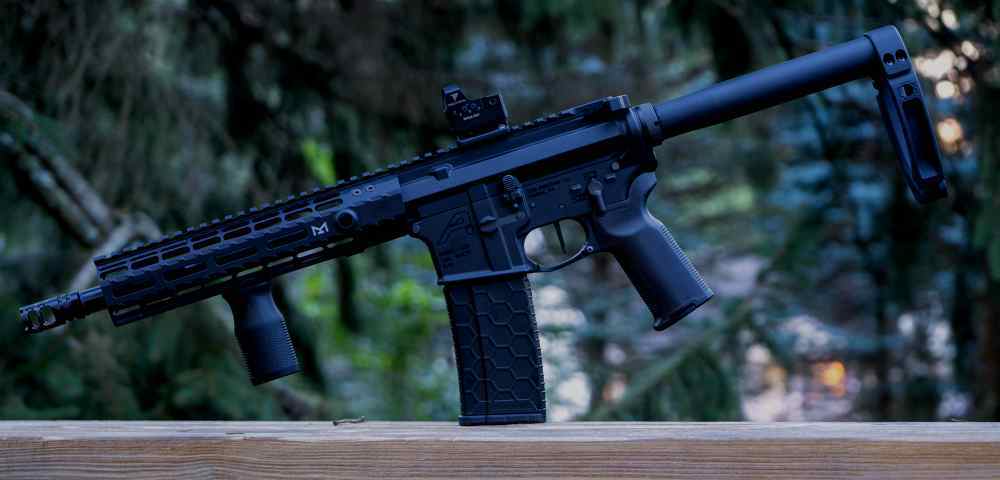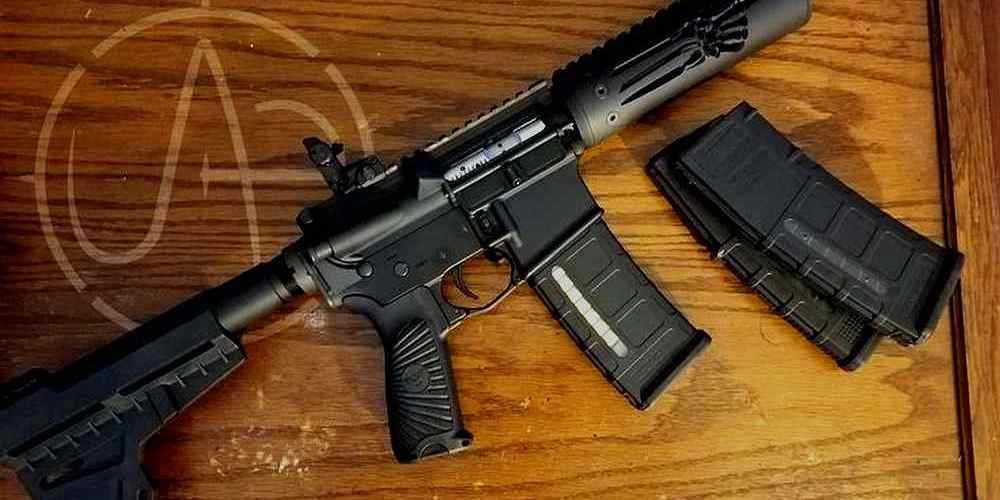
The AR-15 platform has earned its reputation for being modular, adaptable, and remarkably practical, but many shooters focus on optics, triggers, grips, and handguards while overlooking one of the simplest and most important fit adjustments on the rifle: the stock setting. That one small change can affect comfort, control, sight alignment, recoil management, and even how consistently you shoot under stress. For hunters, home defenders, and recreational shooters alike, getting the stock position right is less about style and more about building a rifle that actually works with your body.**
The Stock Setting Shooters Rarely Check First
One of the most overlooked AR-15 adjustments is also one of the easiest to make: the length of pull, or the distance from the trigger to the buttstock. Many shooters leave the stock at whatever position it came in, assuming it is “close enough,” but the right setting can dramatically improve how the rifle mounts and tracks. A stock that is too long can force the shooter to stretch, raising the shoulder and making the rifle harder to control. A stock that is too short can compress the body awkwardly and crowd the shooting stance, especially when using body armor, heavy clothing, or a thick jacket.

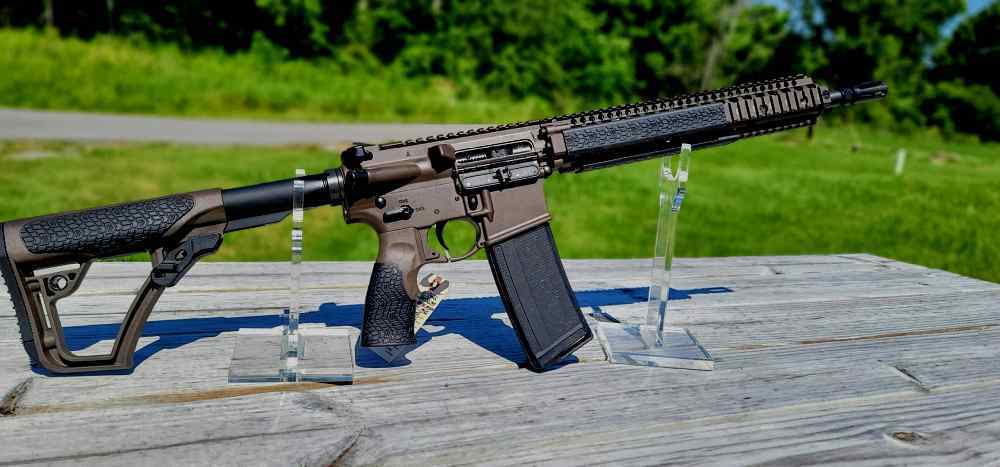
Historically, adjustable stocks became popular because one rifle had to fit different users and different roles. The AR-15’s collapsible stock solved a real problem for military, law enforcement, and civilian shooters who needed flexibility in tight spaces, in vehicles, or across different shooting positions. Yet many modern owners still treat the stock as a fixed part rather than a fitment tool. That is a mistake, because even a half-inch change can alter how naturally the rifle comes to the shoulder and how quickly the eye finds the sights or optic.
From a practical standpoint, the first thing shooters should do is check whether the stock allows a solid cheek weld and a relaxed trigger reach. When the rifle is shouldered correctly, the head should come to the optic without excessive neck strain, and the firing hand should press the trigger without the wrist feeling forced. Safety matters here as well: an improper stock setting can lead to poor muzzle control, inconsistent manipulation, and slower response in a defensive or hunting scenario. Before spending money on accessories, spend a few minutes adjusting the stock in a controlled setting and confirming that the rifle fits you rather than the other way around.
Why One Small Adjustment Changes Everything
The biggest benefit of correcting stock length is consistency. A rifle that fits well returns to the same position every time, which improves sight picture, follow-through, and recoil management. Even though the AR-15 is relatively mild to shoot, proper stock placement helps the shooter stay behind the gun and recover faster between shots. That becomes especially important during rapid strings, positional shooting, or any situation where accuracy under pressure matters more than comfort in a static benchrest.
There is also a technical advantage that many shooters miss: stock position influences head position, upper body posture, and how the rifle aligns with the optic. If the stock is too long, the shooter often “reaches” for the sights, which can lead to a less stable stance and inconsistent eye alignment. If it is too short, the support side may feel cramped, and the rifle can ride too high or too low on the shoulder. In real-world use, this can make a surprising difference in everything from target transitions at the range to quick shots on game in the field. Small ergonomic problems add up fast when the rifle is being used dynamically.
The best way to find the right setting is to test it deliberately and safely. Start unloaded, verify the chamber is clear, and practice mounting the rifle from a low-ready position with your eyes closed before opening them to see where the optic naturally lands. Adjust one position at a time, then repeat the drill until the sight picture comes up cleanly and the trigger finger reaches the trigger without strain. For shooters who use the rifle in different roles—such as range use, home defense, or hunting—consider marking preferred stock positions so you can return to a known setup quickly. A properly adjusted stock will not make you a better shooter by itself, but it will remove one of the most common obstacles to shooting well.The AR-15 stock adjustment most shooters overlook is not a flashy upgrade, but it may be one of the most valuable changes you can make. When the rifle fits your body, everything else improves: control, speed, comfort, and confidence. In a platform known for customization, that kind of practical refinement is exactly what responsible ownership is about.**