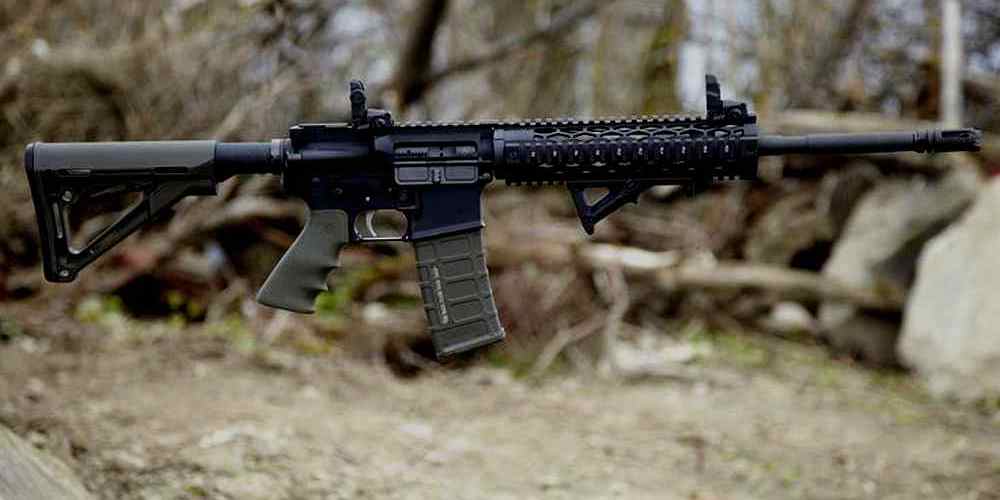
When rain, humidity, sweat, or cold weather enter the picture, even a well-made firearm can feel more difficult to manage. One of the simplest ways manufacturers and owners improve real-world performance is by changing grip texture. The right texture can make a noticeable difference in how securely a firearm stays in hand, how confidently it indexes during a draw or presentation, and how safely it can be controlled under stress. For responsible gun owners, hunters, and self-defense practitioners alike, understanding these texture changes is about more than comfort—it’s about dependable handling when conditions are less than ideal.
How Grip Texture Boosts Wet-Weather Control
Grip texture improves wet-weather control by increasing friction between the shooter’s hand and the firearm. When moisture from rain, sweat, or humidity reduces natural traction, a more deliberate texture can help prevent slippage without requiring excessive squeezing. That matters because an over-grip can introduce tremor, reduce trigger control, and create fatigue during extended carry or field use. A well-designed texture provides enough bite to stabilize the gun while still allowing a consistent, repeatable hold.

There is a long technical history behind this idea. Early firearm grips were often plain wood, shaped more for form than traction, and shooters compensated with gloves, checkering, or careful hand placement. Modern polymers and advanced machining changed the landscape by allowing textures to be engineered with precision. Today, stippling patterns, molded panels, aggressive checkering, and hybrid surfaces can be tailored to different use cases, from concealed carry pistols to hunting handguns and home-defense firearms. The best textures are not simply rough—they are purposeful, balancing control with comfort.
In real-world use, the benefits become clear during rain-soaked range sessions, early-morning hunts, or high-humidity environments where hands and equipment can become slick. A reliable grip surface can help keep the firearm oriented properly during safe handling, administrative loading, and movement in the field. That said, texture is only one part of safe control; proper technique, a firm but relaxed hold, and regular practice remain essential. Responsible owners should test their gear in controlled conditions and confirm that any grip changes improve handling without creating new problems, such as skin abrasion or interference with holsters and accessories.
Choosing Safer Textures for Reliable Handling
Choosing the right texture starts with understanding the firearm’s role and the user’s environment. A concealed-carry pistol may need a texture that offers secure retention without tearing clothing or irritating the skin during all-day wear. A duty gun or competition setup may benefit from a more aggressive surface because speed and consistency matter more than comfort. For hunters, weather resistance and glove compatibility are often important, especially when operating in cold rain or snow. Matching the texture to the mission is the safest and most practical way to get reliable handling.
Material and pattern matter as much as intensity. Polymer frames often use molded texturing, while steel or aluminum grips may rely on checkering, panels, or aftermarket grip tape. Some shooters prefer stippling because it offers a customized feel, but it should be approached carefully and legally, especially if modifications could affect warranties or resale value. Others choose rubberized sleeves for added comfort and moisture resistance, though these can shift if not fitted properly. The ideal option is one that stays secure in the hand, works with the shooter’s normal grip strength, and does not interfere with magazine changes, controls, or holster fit.
Safety should guide every grip decision. Before carrying or using a firearm in wet conditions, owners should inspect the grip for wear, test the firearm with the ammunition and holster they actually use, and practice safe manipulation with an unloaded gun in a controlled environment. If a texture is too aggressive, it can encourage overconfidence or make the firearm unpleasant to train with, which reduces practice time and practical skill. If it is too mild, the risk of slipping increases. The best choice is a balanced one: secure enough for rain, sweat, and stress, but comfortable enough that the shooter can train regularly and handle the firearm responsibly.
A thoughtful grip texture change can make a meaningful difference in wet conditions, but it is most effective when paired with training, maintenance, and sound judgment. For firearm owners who spend time in the field, on the range, or carrying for personal protection, a well-chosen texture supports safer, more confident handling without sacrificing comfort or control. As with any modification, the goal is not simply to make the gun feel different—it is to make it perform more predictably when conditions are at their worst.