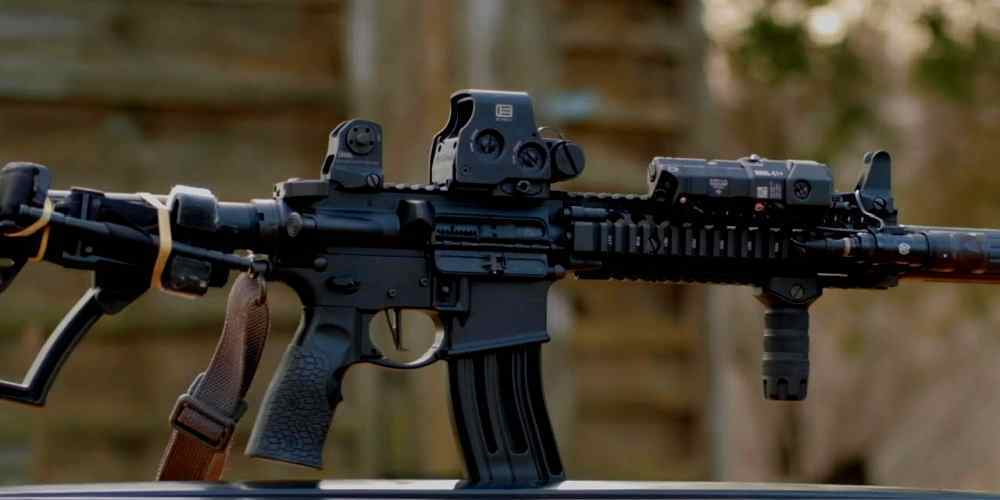
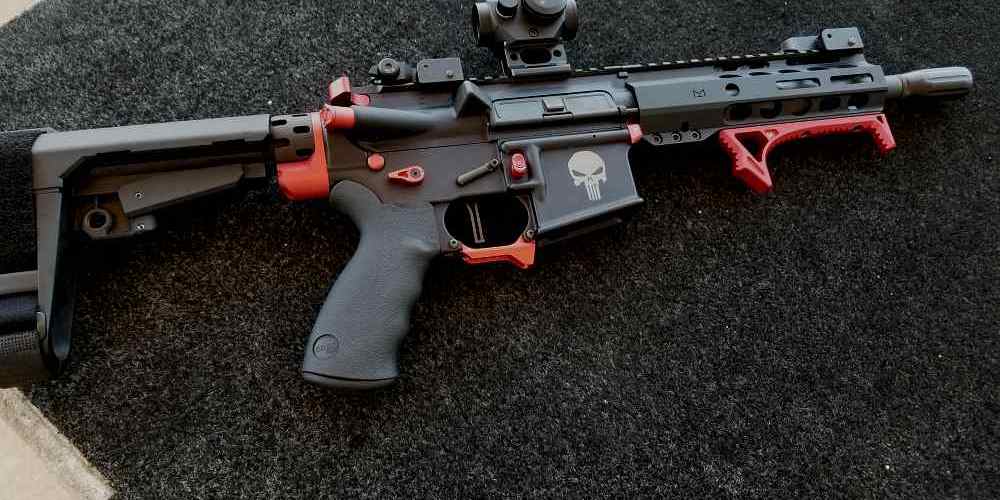
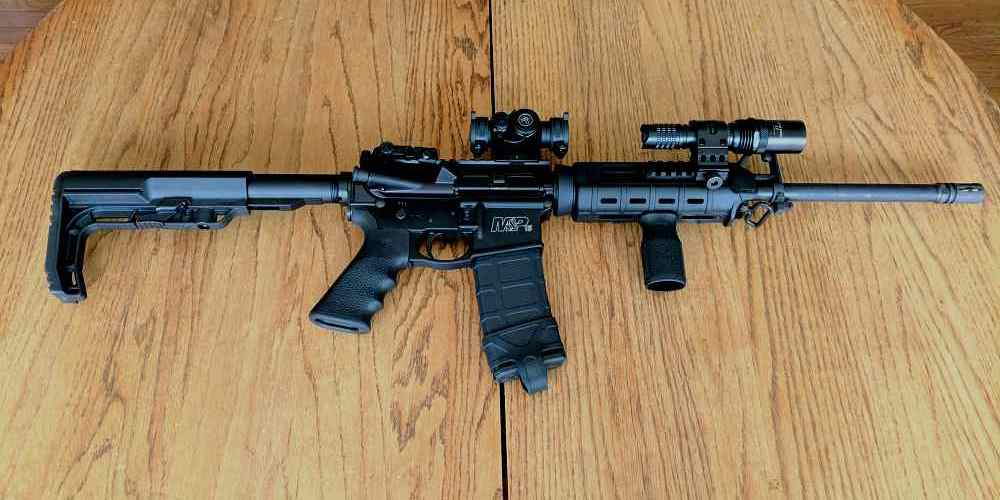
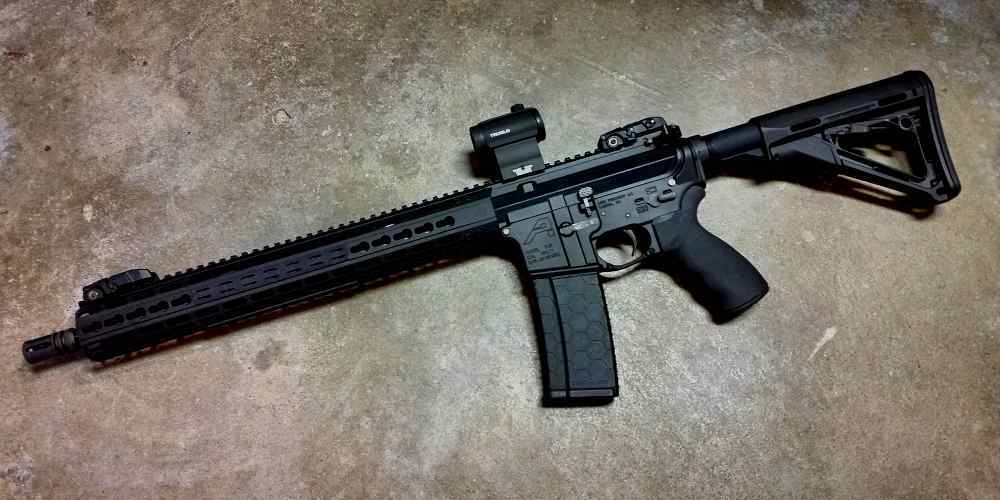
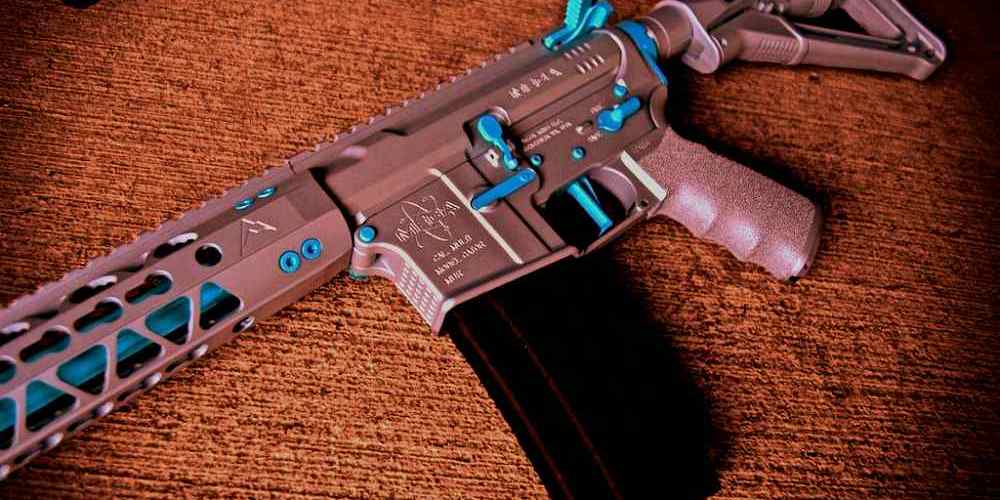
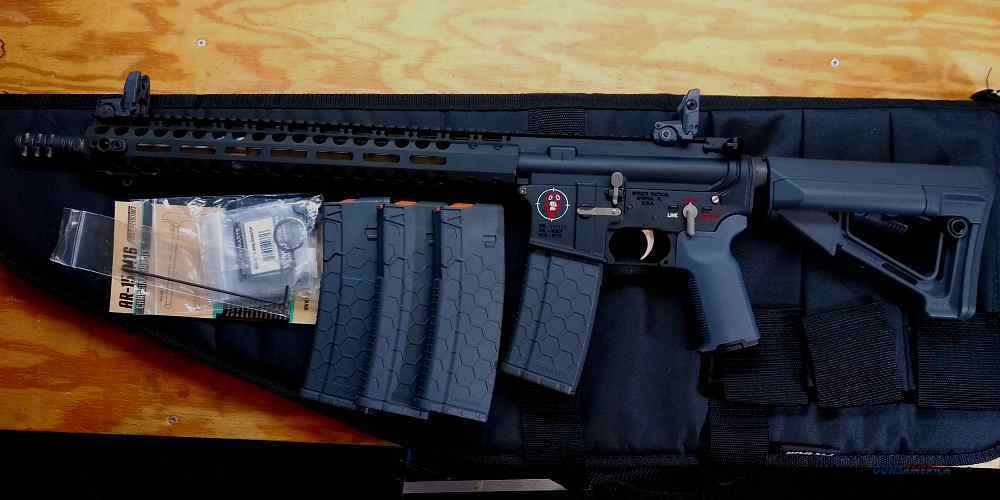
AR-15 sight height is one of those topics that looks minor on paper but affects how a rifle actually handles in the real world. Many shooters notice that their optic seems to sit “too tall” above the bore, yet they keep running the setup because it is common, familiar, and often tied to the way modern ARs are built and accessorized. Understanding why this happens can help owners make better choices about comfort, accuracy, and consistency.
Why AR-15 Sights End Up Mounted Too High
The AR-15 platform was designed around a straight-line stock and iron sights that sit higher than on many traditional rifles, so the “normal” sight picture is already different from bolt-action or hunting rifles. As optics became standard, manufacturers and mount makers adapted to the flat-top receiver, fixed rail heights, and the need to clear front sights, handguards, and accessory attachments. Over time, many shooters simply accepted taller mounts because they worked across a broad range of setups.

Another reason AR-15 sights often end up too high is the influence of accessory culture and modularity. Red-dot sights, magnifiers, night vision setups, backup iron sights, laser aiming devices, and large objective scopes all compete for space on the upper receiver and handguard. To make everything fit without obstruction, brands frequently choose taller mounts or risers, but those extra millimeters can push the optic above an ideal cheek weld. Once a setup becomes popular in the market, it tends to get copied, even when it is not the best height for every shooter.
A final factor is that many users prioritize speed over precision in their first setup. A taller optic can feel more comfortable with body armor, heavy clothing, or an upright heads-up stance, especially in defensive or competition-oriented use. That can be a legitimate choice, but if the mount is taller than necessary, it may reduce consistency at longer distances or when shooting from supported positions. Responsible rifle owners should remember that “common” does not always mean “best,” and the right height depends on the shooter, the optic, and the intended use.
Fixing Sight Height for Better AR Accuracy
The first step in correcting sight height is to define the rifle’s role and then choose the lowest mount that still allows proper operation. For a red dot, that may mean using a lower-profile mount rather than stacking risers. For a magnified optic, it may mean selecting rings or a one-piece mount that keeps the sight line close enough for a solid cheek weld while still clearing the receiver and handguard. The goal is not to chase the lowest possible setup, but to find the height that gives the most stable and repeatable shooting position.
Next, pay attention to how the rifle fits you in real shooting conditions. A proper cheek weld, a natural head position, and a clear sight picture matter more than marketing claims about “absolute” or “lower 1/3” co-witness. If the optic forces you to lift your head too much, your shots may open up because your position changes from shot to shot. Try measuring your current setup, test it from standing, kneeling, and supported positions, and adjust only after confirming the rifle still functions safely and reliably with your chosen accessories.
In the end, most AR-15 sights are mounted too high because the platform, the accessory market, and shooter habits all pushed the standard upward over time. That does not automatically make every tall mount wrong, but it does mean rifle owners should evaluate their setup instead of accepting it by default. The best sight height is the one that supports consistent alignment, comfort, and dependable performance for your intended use.
For anyone refining an AR-15, start with safety, verify your zero, and test the rifle with live fire in a legal, controlled environment. If you are unsure about mounting choices, consult a qualified gunsmith or experienced instructor, especially when configuring a defensive or hunting rifle. A well-fitted optic is more than a convenience—it is part of responsible firearm ownership and better shooting.