Tips for Competing in Long-Range Shooting Matches
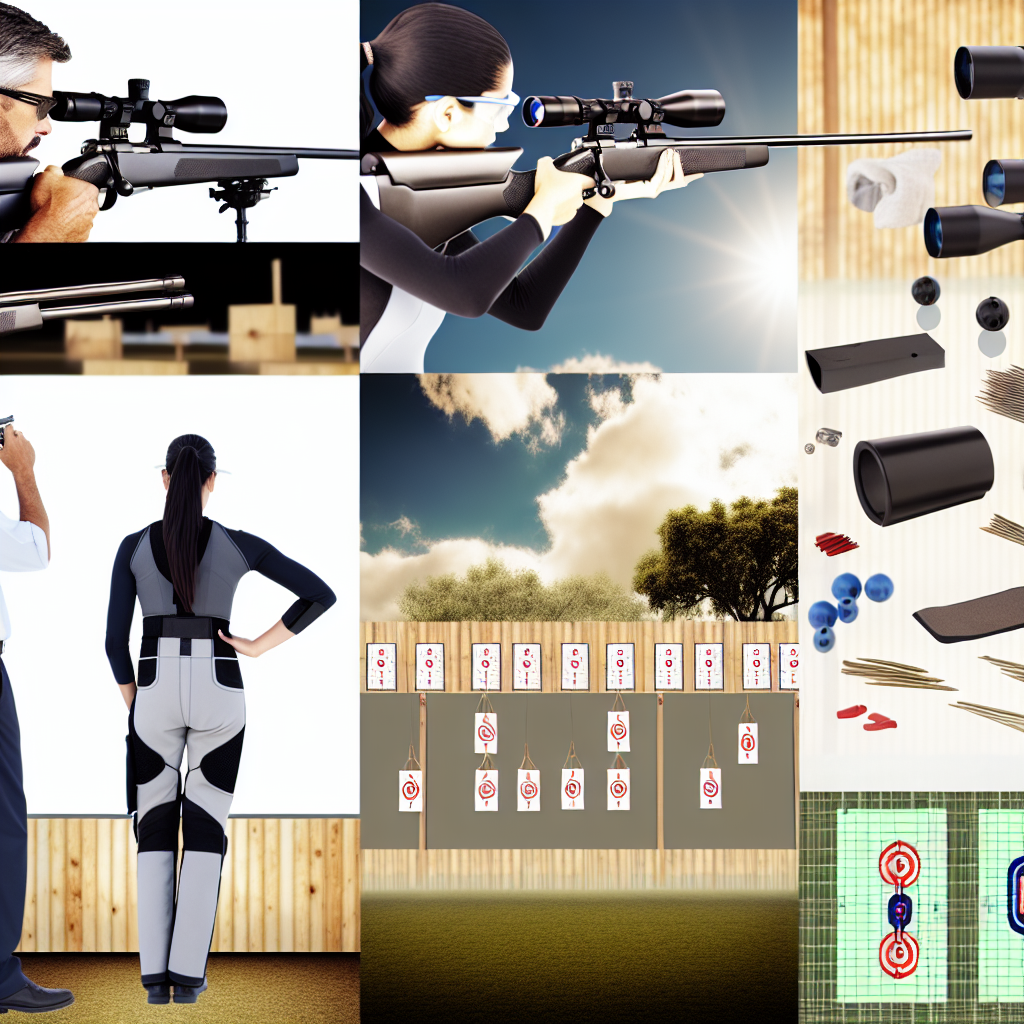
Long-range shooting matches are among the most challenging and rewarding competitive shooting disciplines. They require precision, patience, and a deep understanding of ballistics and environmental factors. Whether you’re a novice shooter looking to step into the world of long-range competition or an experienced marksman aiming to refine your skills, this article provides comprehensive tips to help you excel in these demanding contests.
Understanding the Fundamentals: Equipment and Setup
Success in long-range shooting begins with having the right equipment and ensuring it is properly set up. The precision required at distances beyond 600 yards means that even minor inconsistencies can lead to significant deviations on target.
Choosing the Right Rifle and Optics
- Rifle: Most long-range shooters prefer bolt-action rifles for their reliability and accuracy. Popular models include the Remington 700, Tikka T3x, and Savage 10/110 series. Match-grade barrels and triggers can significantly improve shot consistency.
- Caliber Selection: Common calibers for long-range competitions include .308 Winchester, 6.5 Creedmoor, and .300 Winchester Magnum. The 6.5 Creedmoor has gained popularity due to its flat trajectory and low recoil, making it a favorite among many competitors.
- Optics: High-quality scopes with adjustable turrets and clear reticles are essential. Many shooters opt for scopes with first focal plane reticles that maintain size proportionality at all magnifications, aiding in range estimation and wind calls.
Setting Up Your Shooting Position
- Bipods and Tripods: Stability is critical. Bipods provide a solid front rest while tripods can be used for spotting scopes or additional support.
- Shooting Mat: A comfortable shooting mat helps maintain steady posture over extended periods.
- Sling Use: Proper use of a sling can increase stability by anchoring your arms during firing.
A case study from the Precision Rifle Series (PRS) highlights that competitors who invest in custom bedding of their rifles often see improvements in group sizes by up to 30%, underscoring the importance of equipment setup.
The Science of Ballistics: Mastering Trajectory and Environmental Factors
Long-range shooting is as much about understanding physics as it is about marksmanship. Bullet trajectory, wind drift, temperature, humidity, altitude — all these affect where your bullet will land.
Ballistic Calculations and Tools
- Ballistic Calculators: Modern shooters rely heavily on ballistic apps such as Applied Ballistics or Strelok Pro to predict bullet drop and wind drift at various distances.
- Muzzle Velocity: Knowing your rifle’s muzzle velocity through chronograph testing allows more accurate predictions of bullet behavior downrange.
- Bullet BC (Ballistic Coefficient): A higher BC indicates better aerodynamic efficiency; selecting bullets with a high BC improves performance at extended ranges.
Reading Wind and Environmental Conditions
- Wind Flags: Most matches place wind flags at intervals along the range; learning how to interpret these is critical for making effective wind calls.
- Meteorological Effects: Air density decreases with altitude, affecting bullet velocity; shooters competing at higher elevations must adjust their calculations accordingly.
- Dew Point & Humidity: While these have minor effects compared to wind or elevation, they can still subtly influence bullet flight over extreme distances.
A notable example comes from a match held at Camp Atterbury in Indiana where competitors reported that a sudden shift in wind direction caused average group deviations of over two MOA (Minute of Angle), illustrating how crucial real-time environmental assessment is during competition.
The Mental Game: Focus, Patience, and Stress Management
The physical setup and technical knowledge form only part of long-range shooting success. The mental aspect plays an equally vital role in competition performance.
Sustaining Concentration Over Long Periods
- Mental Endurance Training: Practicing mindfulness techniques such as controlled breathing can help shooters maintain focus during long match sessions that may last several hours or even days.
- Avoiding Tunnel Vision: While focusing on sight alignment is critical, maintaining awareness of surroundings helps anticipate changes like shifting winds or lighting conditions.
Coping with Pressure Situations
- Visualization Techniques: Many elite shooters use visualization methods to mentally rehearse shots before taking them, reducing anxiety under pressure.
- Pacing Yourself: Rushing shots often leads to mistakes; taking deliberate time between shots enhances accuracy without sacrificing time limits imposed by matches.
A survey conducted among top PRS competitors revealed that over 70% attribute improved performance to mental conditioning practices such as meditation or focused breathing exercises rather than equipment upgrades alone.
consistent practice remains essential for honing your skills and achieving success in long-range shooting competitions.
By combining effective training strategies with mental conditioning, you can significantly enhance your performance on the range.