How to Prepare Mentally for a Shooting Competition
Participating in a shooting competition requires more than just physical skill and technical knowledge. The mental aspect of shooting is equally, if not more, critical to achieving peak performance. Precision sports like shooting demand calmness, focus, and the ability to perform under pressure. Therefore, mental preparation can often be the deciding factor between winning and losing.
In this article, we will explore effective strategies to prepare mentally for a shooting competition. Drawing from psychological research, expert advice, and real-world case studies, this guide aims to equip shooters of all levels with the tools needed to excel in their next competition.
Understanding the Mental Challenges of Shooting Competitions
Shooting competitions pose unique mental challenges that require athletes to maintain intense concentration over extended periods. Unlike many other sports where physical endurance or speed are paramount, shooting is primarily about precision and control.
- Pressure and Anxiety: Competitors often face high-pressure situations where even a slight lapse in concentration can ruin their score. Performance anxiety is common and can manifest as shaky hands, rapid heartbeat, or clouded judgment.
- Maintaining Focus: The necessity to sustain unwavering focus during each shot can be mentally draining. Distractions from the environment or internal thoughts can negatively impact results.
- Handling Failure: In shooting sports, one bad shot can affect overall confidence. Athletes must develop resilience to bounce back quickly from mistakes.
According to a study published in the Journal of Sports Sciences, elite shooters demonstrate significantly better emotional regulation and attentional control compared to novices (Smith et al., 2018). This highlights how crucial mental skills are in distinguishing top performers.
Building a Strong Mental Foundation: Techniques and Practices
Mental preparation starts well before the day of competition. Developing habits that strengthen psychological resilience can greatly improve performance under stress.
Visualization and Mental Rehearsal
Visualization involves mentally picturing successful performance scenarios. Many Olympic-level shooters use this technique to prepare their minds for competition conditions.
- Step-by-step Imagery: Visualize every detail from setting up your equipment, taking your stance, aiming carefully, controlling your breathing, and executing the perfect shot.
- Positive Outcomes: Focus on imagining successful shots rather than worrying about mistakes or failures.
- Consistency: Practice visualization daily during training cycles to build neural pathways linked to confidence and precision.
A famous example is Matt Emmons, a three-time Olympic medalist shooter who credits visualization as part of his mental routine before competitions (USA Shooting Association).
Meditation and Mindfulness Training
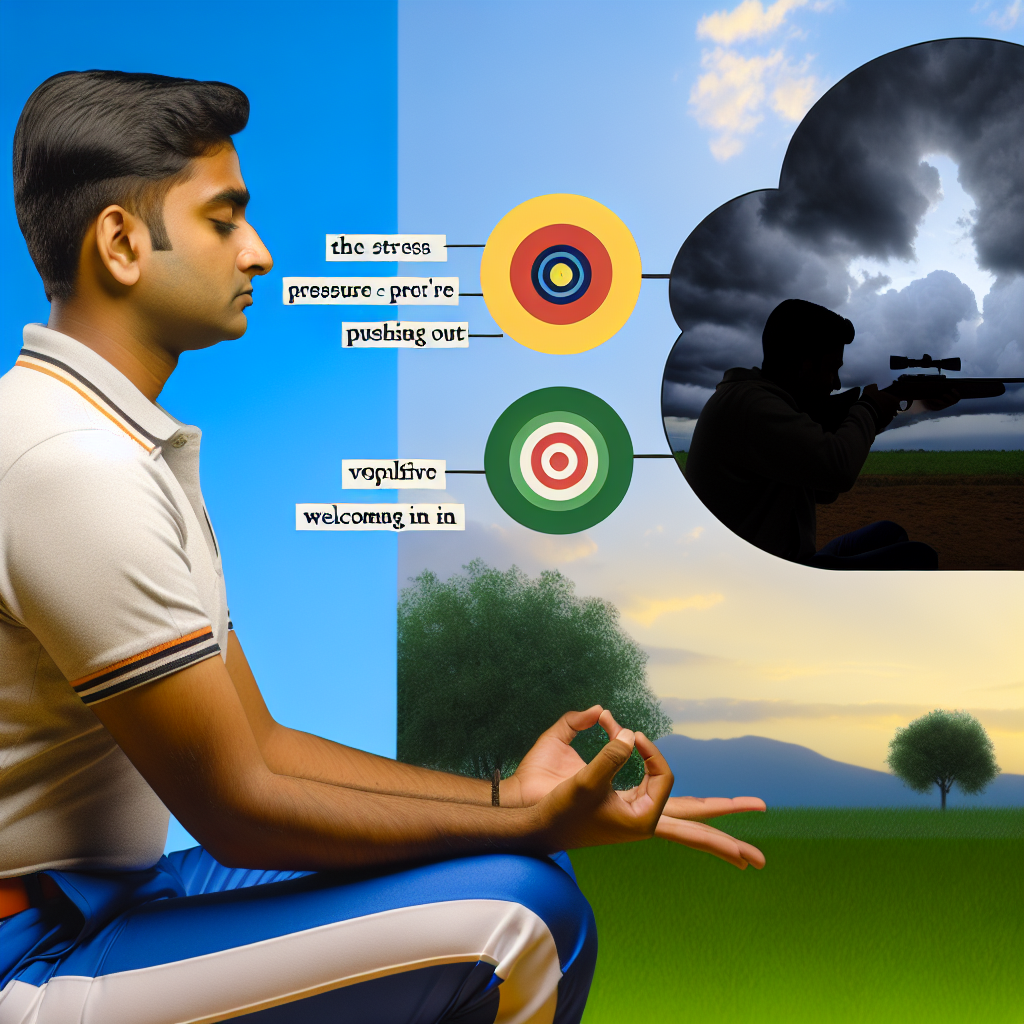
Meditation techniques help shooters cultivate present-moment awareness and reduce anxiety levels. Mindfulness meditation trains the brain to observe thoughts without judgment and maintain calmness despite distractions.
- Breath Awareness: Focusing on breath cycles helps regulate nervous system responses during tense moments.
- Mental Reset: Quick mindfulness exercises between shots or rounds can prevent negative spirals of self-doubt.
- Sustained Practice: Regular meditation sessions improve baseline stress tolerance over time.
A study by Birrer et al. (2012) found that athletes practicing mindfulness showed improved attentional control and lower competitive anxiety compared to control groups.
The Role of Routine: Establishing Pre-Competition Rituals
A consistent pre-competition routine helps create a sense of familiarity and control amid the unpredictability of events. Rituals anchor an athlete’s mind and body into an optimal performance state.
- Physical Warm-Up: Gradual stretching and dry firing drills prepare muscles while signaling readiness mentally.
- Mental Cue Words: Develop personal phrases like “steady,” “focus,” or “calm” that reinforce confidence during competition.
- Tactical Review: Mentally reviewing course layout or target sequences primes strategic thinking ahead of time.
- Avoiding Overthinking: Rituals help prevent excessive rumination by guiding attention toward actionable steps instead of worries.
The consistency of routines is evident in top athletes such as Kim Rhode, who has won multiple Olympic medals by adhering strictly to her preparation rituals (International Shooting Sport Federation).
Coping Strategies for Competition Day: Managing Stress and Pressure
The day of the event often brings heightened nerves even for experienced shooters. Effective coping strategies enable competitors to stay composed when it counts most.
Nutritional Considerations
A balanced diet supports cognitive function during competition. Avoiding excessive caffeine or sugar spikes helps prevent jitteriness or energy crashes that impair concentration.
- Eating complex carbohydrates with protein aids sustained energy release throughout long events.
- Adequate hydration prevents fatigue and maintains alertness.
Controlled Breathing Techniques
Shooting requires calm hand stability which is directly influenced by breathing patterns. Deep diaphragmatic breathing activates the parasympathetic nervous system—often called the “rest-and-digest” mode—reducing heart rate and muscle tension.