How to Transition Between Targets Quickly in Competition
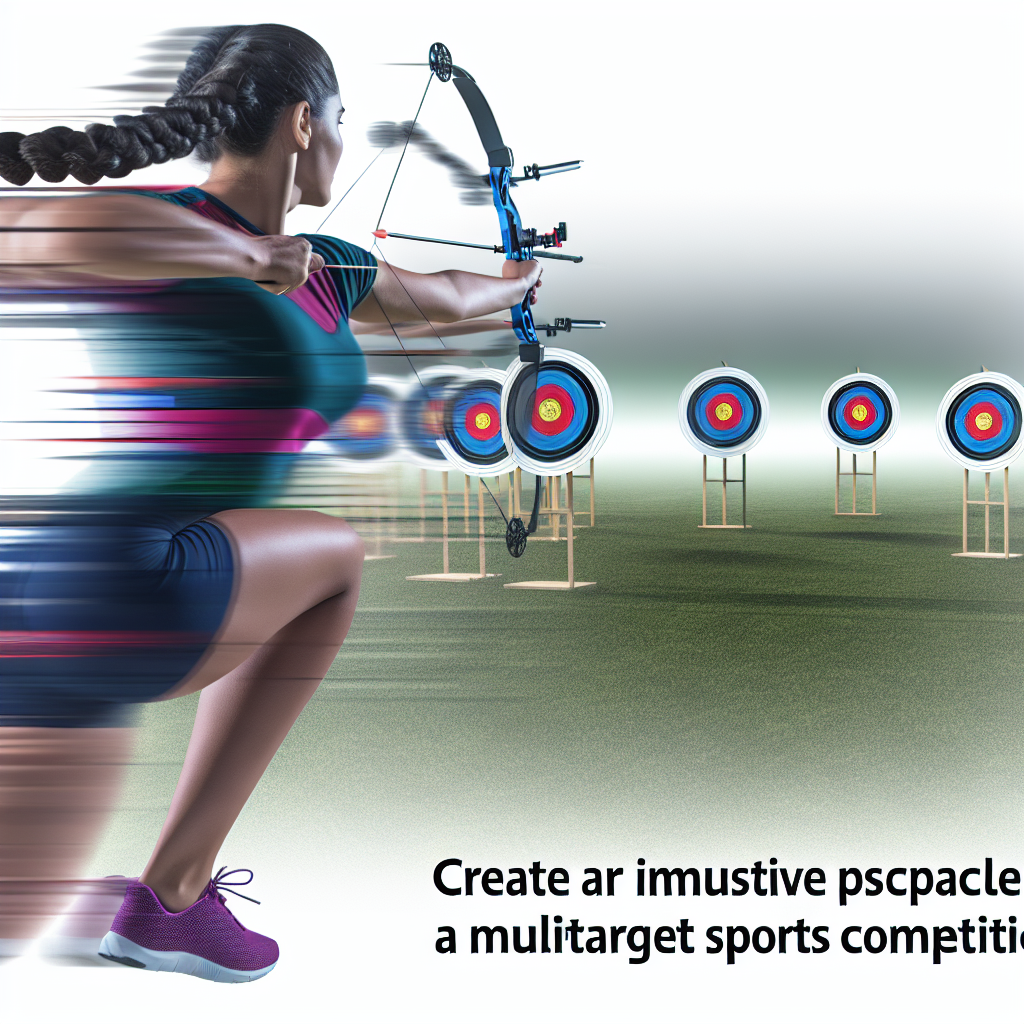
In many competitive sports and disciplines—ranging from shooting and archery to esports and track events—the ability to transition quickly and efficiently between targets or objectives can often be the defining factor between victory and defeat. Mastering the art of swift target transitions not only enhances performance but also improves overall situational awareness, reduces errors, and boosts confidence under pressure.
This comprehensive article explores practical strategies, training techniques, and mental approaches to help athletes and competitors excel in rapid target transitions during competition. We will examine scientific insights, real-world examples, and actionable tips to help you optimize your performance.
The Importance of Quick Target Transitions in Competition
Transitioning quickly between targets is critical in numerous sports and activities. In disciplines like multi-target shooting competitions (e.g., IPSC or 3-Gun), archery tournaments with multiple targets, or even esports games requiring rapid switching between enemies or objectives, the ability to shift focus swiftly can significantly impact scores and outcomes.
Consider the following reasons why quick transitions matter:
- Time Efficiency: Every millisecond saved during target changes accumulates, giving competitors a crucial edge.
- Maintaining Rhythm: Smooth transitions help sustain momentum, preventing disruptions that cause hesitation.
- Error Reduction: Slow or awkward transitions increase the likelihood of misfires or missed shots.
- Mental Focus: Rapid transitions promote alertness and engagement throughout the competition.
A study conducted by the National Institute of Sport Science (2019) found that elite shooters who reduced their target transition time by just 0.3 seconds per shot improved their overall match times by up to 15%, illustrating how small improvements compound into major competitive advantages.
Understanding the Mechanics of Target Transitions
Before implementing strategies for faster transitions, it’s essential to understand the underlying mechanics involved. Target transition involves several interconnected components:
- Visual Acquisition: Quickly locating and focusing on the next target.
- Motor Planning: Coordinating muscle movements for aiming or moving towards the next objective.
- Cognitive Processing: Decision-making related to prioritizing targets, assessing difficulty, and adapting tactics on the fly.
- Execution: Performing the physical action required (shooting, striking, clicking).
The speed of transition depends on how seamlessly these elements work together. For example, in competitive shooting scenarios, visual acquisition often takes a fraction of a second but must be precise enough to align sights accurately. Similarly, in esports titles like first-person shooters (FPS), players need to rapidly switch aim between opponents while managing movement controls.
The brain’s ability to switch attention swiftly—known as attentional shifting—is fundamental here. Research published in the journal Cognition (2017) showed that training attentional control can improve transition speed by up to 20% over several weeks.
Effective Training Techniques for Faster Transitions
The cornerstone of improving transition speed lies in deliberate practice targeted at each component involved. Below are proven training methods used by top athletes across different domains:
1. Drills Focused on Visual Scanning and Target Acquisition
Exercises designed to enhance rapid eye movement and target recognition help minimize time lost looking for the next objective. Examples include:
- Saccadic Eye Movement Drills: Using tools like eye-tracking software or simply practicing shifting gaze between points on a wall at varying distances.
- Multiple Target Engagement Exercises: Setting up several targets in sequence and practicing quick identification followed by engagement.
2. Motor Skill Automation Through Repetition
The more ingrained your motor patterns become, the less conscious effort is required during competition. This allows faster execution with fewer errors. Key practices include:
- Dry Fire Practice (for shooters): Repetitive aiming and trigger control without live ammunition develop muscle memory without fatigue or risk.
- Sprint Interval Training (for runners): Simulating quick changes in direction or speed trains neuromuscular coordination necessary for transitioning between race segments or obstacles.
3. Cognitive Load Management Through Scenario Training
Mental rehearsals and pressure simulations train decision-making under stress:
- Tactical Simulations: Creating realistic scenarios where competitors must prioritize targets dynamically based on difficulty or scoring value.
- Mental Visualization Techniques: Imagining smooth transitions helps reinforce neural pathways associated with rapid attention shifts.
A Case Study: USPSA Champion Max Michel’s Training Approach
Max Michel Jr., a renowned USPSA (United States Practical Shooting Association) champion known for his blistering speed between multiple steel targets, emphasizes repetitive practice combined with mental focus drills. His regimen includes “target arrays” where he engages five steel plates within seconds using dry fire drills combined with timed live fire sessions—gradually reducing transition times while maintaining accuracy.
Your gear setup can either facilitate smooth transitions or hinder them if poorly optimized. Ensuring that your equipment is tailored to your needs can significantly impact your performance.
In conclusion, mastering transitions requires a combination of practice, mental preparation, and the right equipment.