Understanding Different Competitive Shooting Disciplines
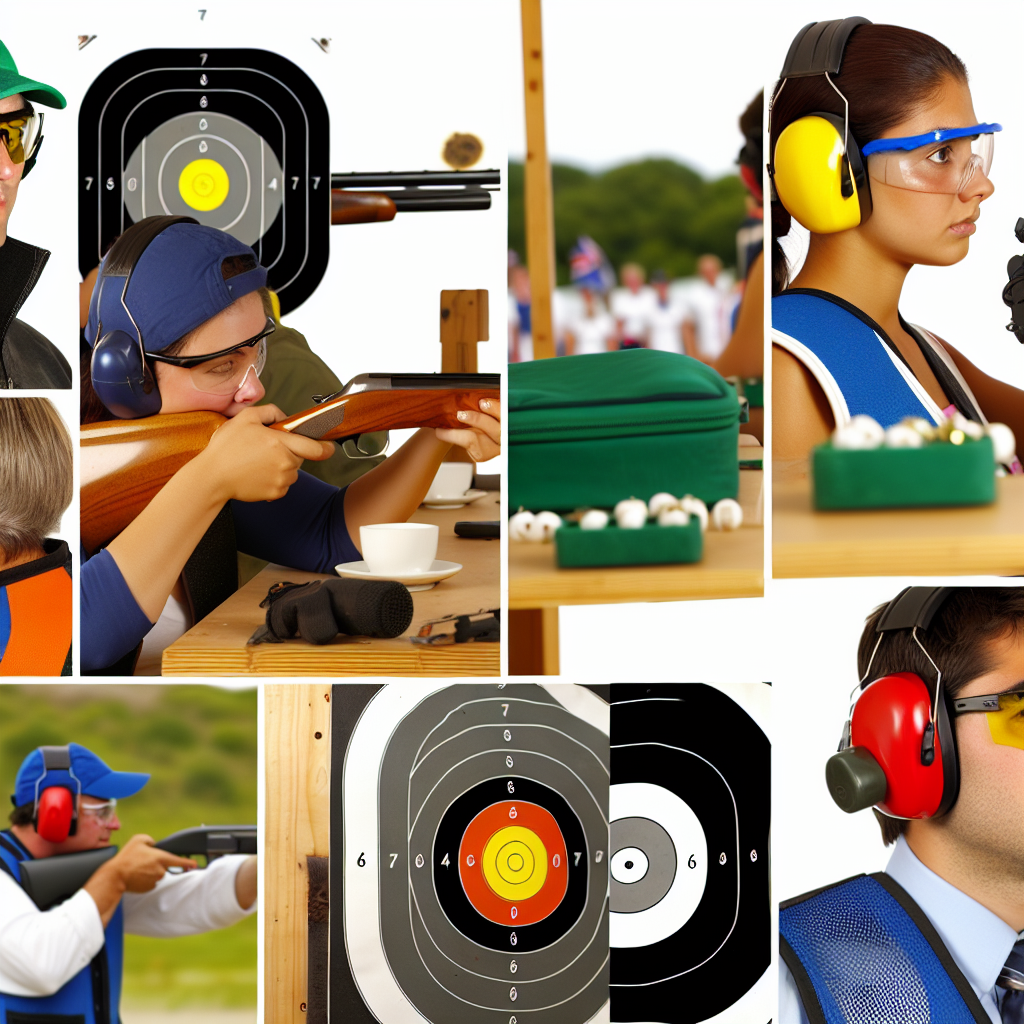
Competitive shooting is a diverse and dynamic sport that attracts enthusiasts from all around the world. Whether you are a beginner looking to explore the sport or an experienced shooter interested in expanding your skills, understanding the various disciplines within competitive shooting is essential. Each discipline offers unique challenges, equipment requirements, and skillsets, making the sport rich and multifaceted.
This article provides a comprehensive overview of some of the most popular competitive shooting disciplines, their histories, rules, and what makes each one unique. Through examples and statistics, readers will gain valuable insights into how these disciplines operate and how they contribute to the broader shooting sports community.
The Evolution of Competitive Shooting
Before diving into individual disciplines, it’s important to recognize that competitive shooting has evolved significantly over the centuries. Initially rooted in military training and hunting skills, it transformed into organized competitions by the late 19th century. Today, it encompasses both traditional marksmanship events as well as modern action shooting sports.
According to the International Shooting Sport Federation (ISSF), there are over 100 countries actively participating in Olympic-style shooting events alone, highlighting its global appeal. Moreover, participation rates in practical shooting and handgun competitions have surged by approximately 15% annually over the past decade in North America.
Precision Shooting Disciplines: The Art of Accuracy
Precision shooting disciplines emphasize accuracy and consistency over speed. They typically involve firing at stationary targets from fixed positions under strict rules governing equipment and stance.
1. ISSF Rifle and Pistol Events
The ISSF governs Olympic-style rifle and pistol shooting events including:
- 10m Air Rifle: Shooters fire .177 caliber air rifles at targets 10 meters away. The focus is on extreme precision with scores measured down to tenths of a point.
- 50m Rifle Three Positions: Competitors shoot from prone, standing, and kneeling positions using .22 caliber rifles.
- 25m Rapid Fire Pistol: Involves shooting at five targets with rapid succession under time constraints.
These events demand rigorous training in breath control, trigger discipline, and mental focus. For example, Jin Jongoh from South Korea has won multiple Olympic gold medals in ISSF rifle events due to his extraordinary precision skills.
2. Bullseye Pistol Shooting (Conventional Pistol)
Bullseye pistol shooting is one of the oldest forms of competitive handgun shooting focused purely on accuracy at fixed distances (typically 25 or 50 yards). Participants shoot slow-fire strings with handguns such as revolvers or semi-automatics aiming for tight groupings on paper targets.
- This discipline emphasizes fundamentals like sight alignment and steady hold.
- The National Rifle Association (NRA) hosts popular bullseye competitions in the United States with thousands of participants annually.
Practical Shooting: Combining Speed with Accuracy
Unlike precision disciplines where speed is secondary, practical or action shooting challenges competitors to hit multiple targets quickly while moving through courses that simulate real-world scenarios.
1. IPSC (International Practical Shooting Confederation)
Founded in 1976, IPSC is one of the most widely practiced practical shooting sports globally with over 100 member regions. It emphasizes three core principles often summarized as DVC:
- Diligent Accuracy: Shots must be precise enough to count for points.
- Velocity: Competitors strive for speed without sacrificing accuracy.
- Control: Managing recoil and transitions between targets efficiently.
A typical IPSC match involves navigating stages with varying target arrays including paper targets, steel plates, and sometimes moving or reactive targets. Time penalties are given for misses or procedural errors which factor into overall scoring.
2. USPSA (United States Practical Shooting Association)
The USPSA is IPSC’s American affiliate but often features specialized divisions such as:
- Open Division: Allows highly customized firearms with optics and compensators.
- Production Division: Focuses on factory guns with minimal modifications to level the playing field for everyday shooters.
The USPSA hosts national championships drawing thousands of shooters annually. Famous competitors like Jessie Duff have helped popularize practical shooting among women shooters worldwide.
3. Steel Challenge
A specialized form of speed shooting focused solely on steel plate targets arranged in standardized patterns known as “stages.” The goal is to knock down all steel plates as fast as possible with minimal misses.
- This discipline appeals due to its straightforward format and emphasis on raw speed combined with accuracy.
- The Steel Challenge World Speed Shooting Championship attracts top marksmen globally competing for cash prizes exceeding $100,000 annually.
Shotgun Disciplines: Dynamic Target Engagements
The shotgun family of disciplines tests shooters’ ability to engage moving targets using shotguns loaded with multiple pellets rather than single bullets. These sports are particularly popular for their blend of athleticism and marksmanship skill.
1. Trap Shooting
Shooters fire at clay targets launched from a
single trap house at various angles, aiming to hit the targets before they hit the ground. This discipline requires precision and quick reflexes, making it a favorite among competitive shooters.
Understanding these various shooting disciplines can help enthusiasts choose the right one for their interests and skills.