How to Train for Precision in Competitive Shooting
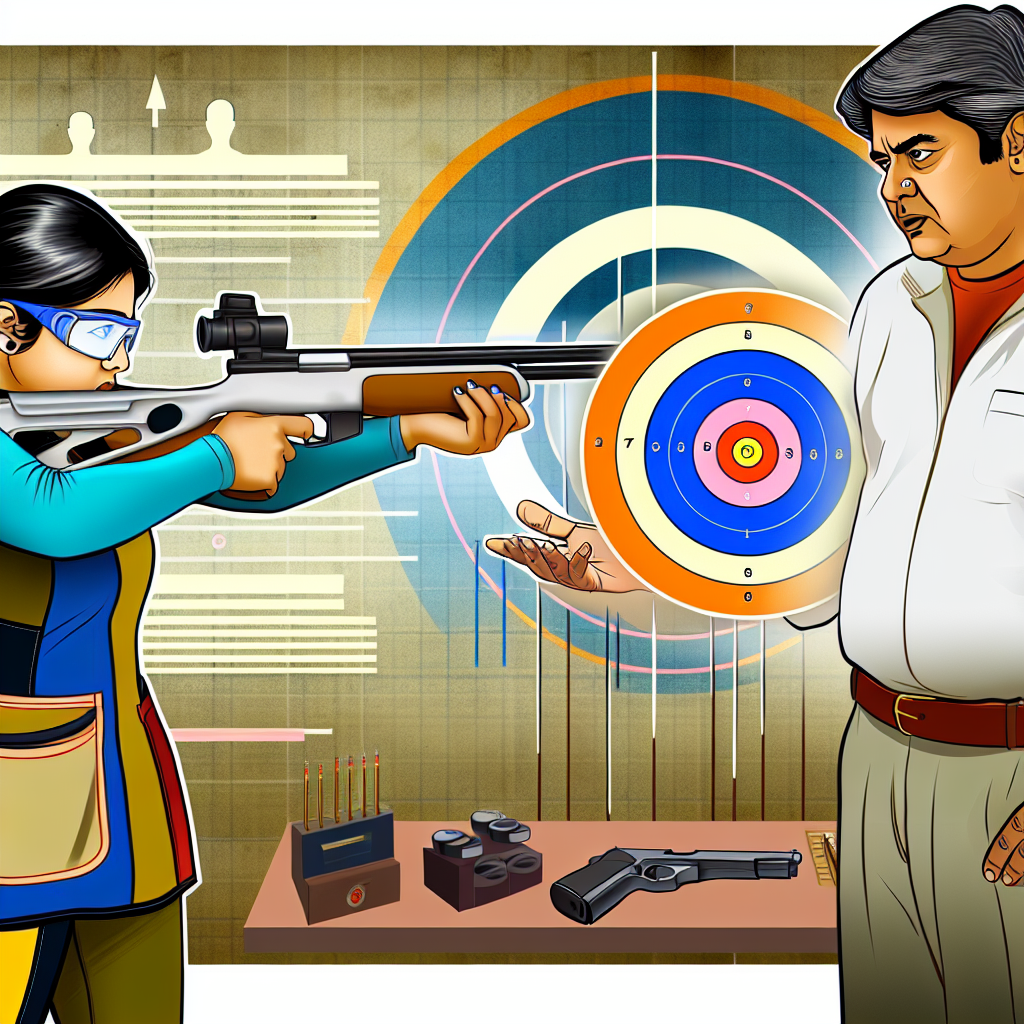
Competitive shooting is a sport that demands extraordinary focus, discipline, and skill. Whether you are participating in pistol, rifle, or shotgun competitions, precision is the cornerstone of success. Training to improve precision not only enhances your scores but also builds confidence and consistency under pressure. This article delves into effective strategies, techniques, and insights on how to train for precision in competitive shooting.
Understanding the Fundamentals of Precision Shooting
Before diving into training regimens, it’s crucial to understand what precision in shooting entails. Precision refers to the shooter’s ability to consistently place shots close together on a target, regardless of their proximity to the bullseye. It is distinct from accuracy, which measures how close shots are to the center of the target.
In competitive shooting disciplines such as ISSF (International Shooting Sport Federation) events or USPSA (United States Practical Shooting Association), both precision and accuracy are vital. However, honing precision creates a solid foundation that can improve overall performance.
Key components that influence precision include:
- Trigger control: Smooth and consistent trigger pull minimizes barrel movement.
- Breath control: Proper breathing techniques reduce body sway.
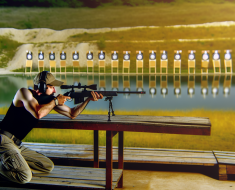
- Grip and stance: A stable platform helps maintain alignment and absorb recoil.
- Sight alignment and sight picture: Precise aiming ensures consistent shot placement.
A well-rounded training plan addresses all these components systematically.
Developing a Structured Training Routine
A structured training routine is essential for steady improvement in precision shooting. Consistency is key — sporadic practice yields minimal results, whereas regular focused sessions build muscle memory and mental resilience.
The following framework outlines an effective training regimen:
- Warm-up drills: Begin each session with basic drills such as dry firing or snap caps practice to reinforce trigger control without live ammunition.
- Fundamental skills practice: Focus on grip, stance, breathing, and sight alignment through slow and deliberate shots at shorter distances.
- Progressive live-fire exercises: Gradually increase distance and difficulty while maintaining emphasis on technique over speed.
- Timed drills: Incorporate time constraints once baseline precision improves to simulate competition pressure.
- Review and analyze performance: Use shot grouping analysis tools or video review to identify areas needing adjustment.
This approach ensures that fundamental skills are solidified before advancing to more complex scenarios.
The Role of Dry Fire Training in Enhancing Precision
Dry firing — practicing trigger pulls without live ammunition — is one of the most effective ways to improve precision without the cost or risk associated with live fire. According to a study published in the Journal of Sports Sciences (2019), shooters who incorporated dry fire training into their routines improved shot grouping by up to 30% over six months compared to those who did not.
The benefits of dry fire training include:
- Mental rehearsal: Allows shooters to visualize perfect execution repeatedly.
- Smooth trigger pull development: Reduces anticipation flinches caused by recoil fear.
- Sight alignment practice: Helps reinforce consistent sight picture acquisition.
- Error identification: Enables immediate correction without wasting ammo or time at the range.
A simple dry fire routine might consist of:
- Aim at a small target or dot on a wall with full sight picture focus.
- Squeeze the trigger slowly while maintaining alignment until the “click” sound occurs (trigger break).
- If possible, use a laser training cartridge or dedicated laser system for instant feedback on shot placement during dry fire sessions.
Mental Conditioning: The Overlooked Key to Precision
The psychological aspect of competitive shooting cannot be overstated. Mental conditioning influences how well a shooter can maintain focus, manage anxiety, and execute under pressure—all critical for achieving high precision consistently.
Mental training strategies include:
- Meditation and mindfulness: Practices that improve concentration by calming distracting thoughts during competition scenarios.
- Visualization techniques: Mentally rehearsing perfect shots helps build neural pathways that support muscle memory and confidence.
- Anxiety management exercises: Deep breathing protocols or progressive muscle relaxation reduce physiological stress responses before shooting stages.
- Cognitive behavioral approaches: Reframing negative thoughts about performance failures fosters resilience and persistence through setbacks.
A practical example comes from Olympic shooter Matt Emmons who emphasizes mental rehearsal as part of his daily routine. Emmons attributes much of his success — including multiple World Championship medals — to rigorous mental conditioning alongside physical practice.
Nutritional and Physical Fitness Considerations for Precision
Your body’s condition directly impacts your ability to shoot precisely. Physical fitness enhances stability, endurance, and fine motor skills necessary for holding steady aim over prolonged periods. Additionally, nutrition affects cognitive function and energy levels critical for sustained focus during competitions.
Physical fitness tips for shooters include: incorporating strength training to build core stability, practicing balance exercises, and engaging in cardiovascular workouts to improve endurance. Maintaining a well-rounded fitness routine can significantly enhance shooting performance.
In conclusion, a holistic approach that combines mental conditioning, physical fitness, and nutrition is essential for achieving precision in competitive shooting.