Best Practices for Eye Dominance Testing
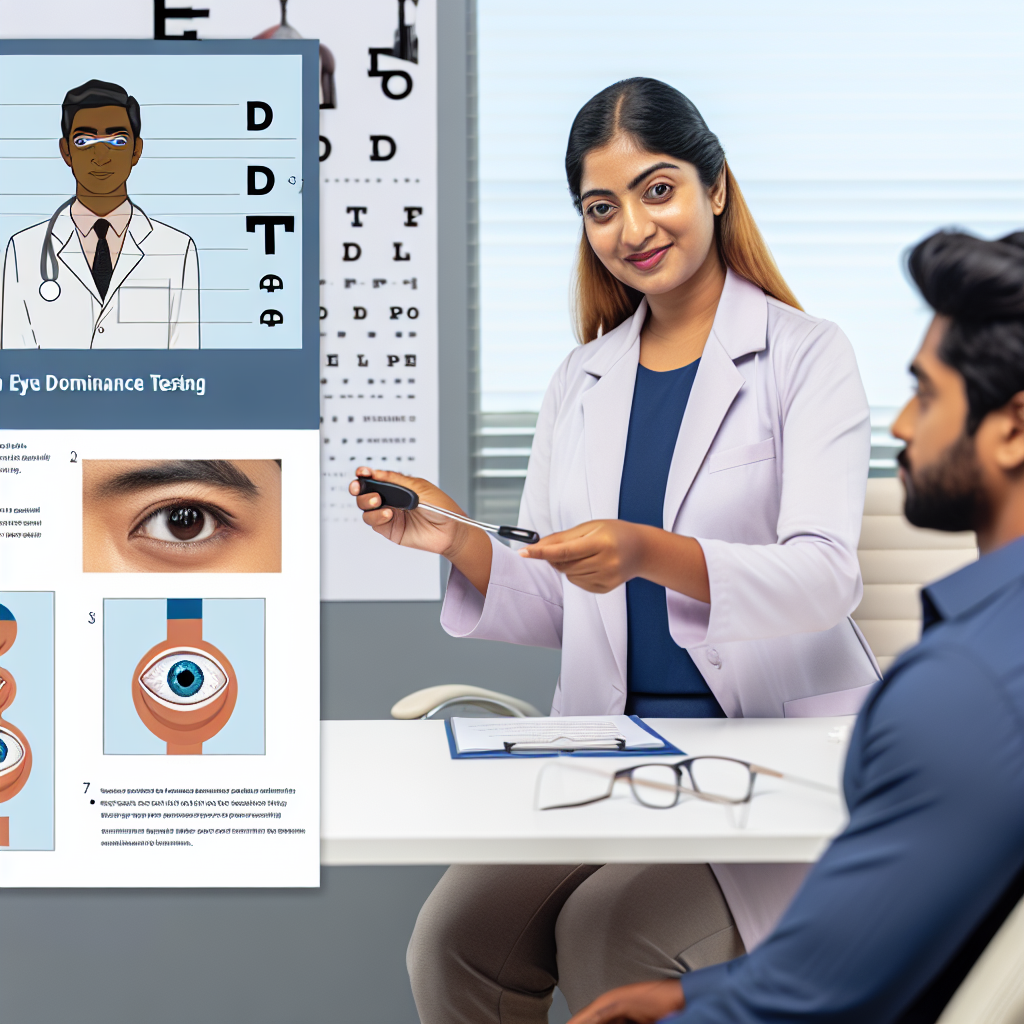
Eye dominance, also known as ocular dominance, refers to the preference of visual input from one eye over the other. It plays a critical role in various fields such as vision therapy, sports performance, shooting accuracy, and even in the fitting of corrective lenses. Understanding which eye is dominant can help optimize visual tasks and improve overall performance in activities requiring precise visual coordination.
Despite its importance, many professionals and individuals underestimate the significance of accurate eye dominance testing. This article will explore best practices for eye dominance testing, providing insights into methodologies, applications, and common pitfalls. By the end, readers will gain a comprehensive understanding of how to properly assess eye dominance and why it matters.
Understanding Eye Dominance: The Basics
Before delving into testing methods, it’s essential to grasp what eye dominance entails. Eye dominance is not about vision quality but rather which eye the brain prefers to use when processing visual information.
- Types of Eye Dominance: There are two main types—sighting dominance (the eye used for aiming or alignment) and sensory dominance (the eye that contributes more significantly to binocular vision).
- Prevalence: Approximately 70% of people are right-eye dominant, while 30% are left-eye dominant; a small percentage may have no clear dominance (mixed dominance).
- Relation to Handedness: Eye dominance doesn’t always correlate with handedness—right-handed people can be left-eye dominant and vice versa.
This distinction is crucial because different tasks might require an understanding of either sighting or sensory dominance depending on their nature.
Common Methods for Eye Dominance Testing
There are several techniques to determine which eye is dominant. Each method has its advantages and limitations. Below are some of the most widely used tests:
- The Miles Test: A simple sighting test where the individual extends their arms forward, forming a small triangle between their hands and focusing on a distant object through this aperture. Closing each eye alternately reveals which eye maintains alignment with the object.
- The Porta Test: Similar to the Miles test but involves pointing at a distant object with one arm extended and alternately closing each eye to see which maintains alignment.
- The Dolman or Hole-in-Card Test: The participant holds a card with a small hole at arm’s length and centers it on a distant target. Alternating eyes shows which one aligns better through the hole.
- Sensory Dominance Tests: These involve assessing binocular rivalry or suppression by presenting different images to each eye and determining which image dominates perception.
While these tests provide useful information, they may yield different results depending on conditions such as lighting or participant focus. Therefore, best practices recommend combining multiple methods for reliable outcomes.
Best Practices for Accurate Eye Dominance Testing
A precise assessment requires attention to detail and controlled conditions. Here are recommended steps for conducting effective eye dominance testing:
- Create a Controlled Environment: Use consistent lighting without glare or distractions to ensure participants can focus accurately on targets during testing.
- Use Multiple Tests: Since no single test is foolproof, combining methods like the Miles test with the Dolman test increases reliability by cross-verifying results.
- Repeat Tests Multiple Times: Perform each test several times to account for variability in participant responses and reduce random error.
- Consider Participant Comfort: Ensure participants understand instructions clearly and are comfortable during testing to avoid fatigue or confusion affecting results.
- Avoid Leading Questions or Biases: Present neutral instructions without suggesting expected outcomes to prevent unconscious influence on participant responses.
- Document Results Thoroughly: Record observations carefully including any anomalies or participant feedback that could explain inconsistencies.
An illustrative case study from sports vision training highlights these points: A collegiate archer initially misidentified her dominant eye using only the Porta test, resulting in poor aim adjustments. Upon integrating multiple tests under standardized lighting conditions with repeated trials, her true dominant eye was correctly identified, leading to tailored training that improved her accuracy by over 15% within three months.
The Role of Technology in Eye Dominance Assessment
The advancement of technology has introduced new tools enhancing precision in ocular dominance evaluation beyond traditional manual tests. Some notable innovations include:
- Eye-Tracking Devices: These use infrared cameras to monitor pupil movement and fixation patterns objectively identifying dominant eyes during dynamic tasks.
- Stereoscopic Imaging Systems: Allow assessment of sensory dominance by presenting controlled images separately to each eye while monitoring response through specialized software.
- Virtual Reality (VR) Platforms: VR headsets can simulate complex visual environments where ocular preference can be assessed under realistic conditions relevant for gaming or military training applications.
A study published in the Journal of Optometry (2022) found that using an automated eye-tracking system increased accuracy in determining sighting dominance by nearly 25% compared to manual tests alone. This suggests that incorporating technology can reduce human error and provide richer data about ocular behavior in real-time settings.
Incorporating these innovative methods not only enhances the accuracy of eye dominance testing but also opens new avenues for research and application in various fields.