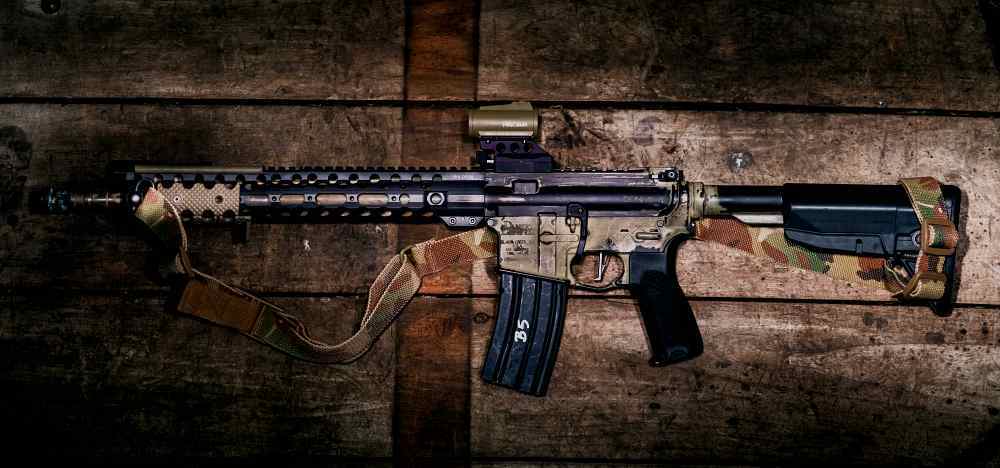
If you’ve ever noticed your AR-15 printing tidy little groups at the start of a range session and then spreading out after roughly 50 rounds, you’re not imagining it. That shift is a real-world mix of heat, fouling, lubrication changes, and normal mechanical behavior under sustained use. For responsible owners, understanding why it happens is less about chasing perfection and more about knowing how to maintain consistency, protect your equipment, and keep your rifle reliable when it matters.
Heat, Fouling, and the 50-Round Accuracy Drop
One of the biggest reasons AR-15 groups open up after a few magazines is heat. As the barrel warms, metal expands, harmonics change, and the rifle simply behaves a little differently than it did when cold. The AR platform is generally very capable, but like any rifle, it has a “sweet spot” where point of impact and group size are most consistent. Once the barrel gets hotter—especially in lightweight profiles—those tiny changes can show up on paper as a larger group.

Fouling is another major factor. After 30, 40, or 50 rounds, carbon, copper, powder residue, and lubricant buildup begin to accumulate in the bore, chamber, bolt carrier group, and around the gas system. That doesn’t mean the rifle becomes inaccurate immediately, but it can affect lockup consistency, feeding smoothness, and the way the bullet transitions through the bore. In practical terms, a clean, cool rifle often behaves more predictably than one that has been run hard without any break in the session.
There’s also the human side of the equation. As your rifle warms up, your shooting rhythm may change, your grip may shift, and fatigue can creep in without you noticing. That’s why experienced shooters pay attention to both the rifle and themselves. If you want to keep groups tight during longer sessions, slow your pace, allow cooling periods, and monitor whether your point of impact is drifting as the rifle heats up. A simple range log can help you identify whether the problem is truly the rifle—or your shooting conditions.
Barrel Wear, Lubrication, and Better Grouping
Barrel wear does not usually happen dramatically after only 50 rounds, but small changes in throat erosion and fouling can begin influencing consistency over time, especially in rifles that are already heavily used. The AR-15’s direct impingement system puts hot gas and carbon into the action, which is part of why the platform runs so well—but it also means maintenance matters. A barrel that has seen many thousands of rounds may still be perfectly serviceable, but its best accuracy window may shift, especially if it has seen sustained firing without proper care.
Lubrication plays a bigger role than many new owners realize. An AR-15 that is properly lubricated tends to cycle more smoothly, which helps maintain consistent bolt lockup and reduces the odds of friction-related variability. Too little lube can create sluggish cycling and inconsistent operation, while excessive buildup of grime mixed with old lubricant can gum up the action. The goal is not to drown the rifle, but to keep key moving parts adequately protected according to the manufacturer’s guidance and the conditions you’re shooting in.
If you want better grouping over a longer string of fire, focus on a few practical habits. Use quality ammunition, let the barrel cool when precision matters, and clean the rifle regularly without overdoing it on harsh tools or aggressive solvents. For defensive carbines, reliability should always come first; for hunting or target use, precision maintenance becomes even more important. A well-maintained AR-15, with a good barrel, solid optics, and proper lubrication, will usually hold its accuracy far longer than a neglected one.
When an AR-15 groups open up after 50 rounds, it’s usually not a mystery or a flaw—it’s the predictable result of heat, fouling, maintenance, and shooter fatigue working together. Understanding those factors helps you diagnose what’s happening, manage your equipment better, and make smarter decisions at the range or in the field. Responsible firearm ownership means knowing how your rifle behaves, keeping it safe and legal, and caring for it so it performs the way you expect when accuracy matters most.