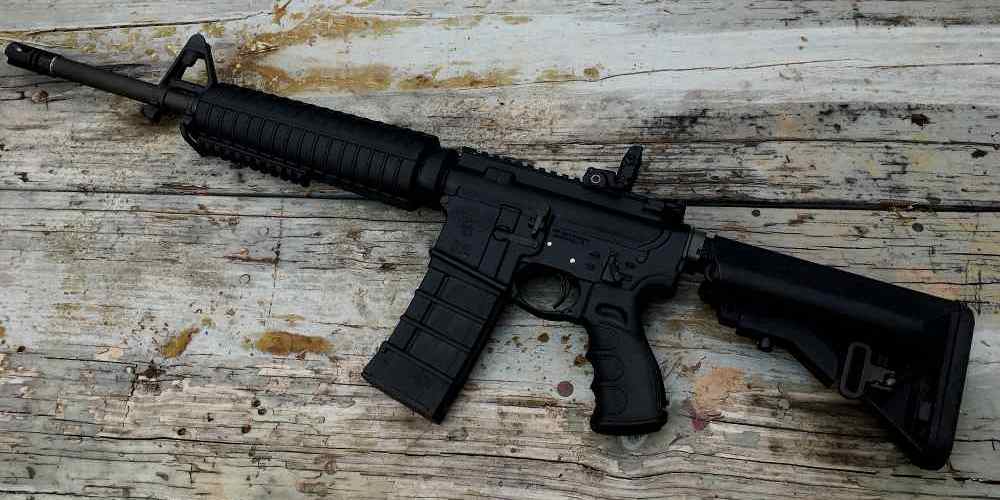
The AR-15 has earned its reputation because it is adaptable, dependable, and easy to configure for different roles. But one of the most important parts of that system is also one of the least understood: the gas system. Many owners focus on barrels, triggers, optics, and handguards, while overlooking the way gas length shapes how the rifle actually runs. That choice affects reliability, recoil impulse, wear, and even how pleasant the rifle is to shoot.
Understanding the gas system is not just for armorers or competitive shooters. If you own an AR-15 for hunting, home defense, training, or general range use, learning how gas length works can help you make smarter choices about parts, maintenance, and setup. It can also prevent common frustrations like overgassing, excessive bolt speed, and inconsistent function with certain ammunition or suppressor use. In short, the “secret” is not that the AR-15 is complicated—it is that a small design detail has a big effect on everything else.

The AR-15 Gas System Most Owners Overlook
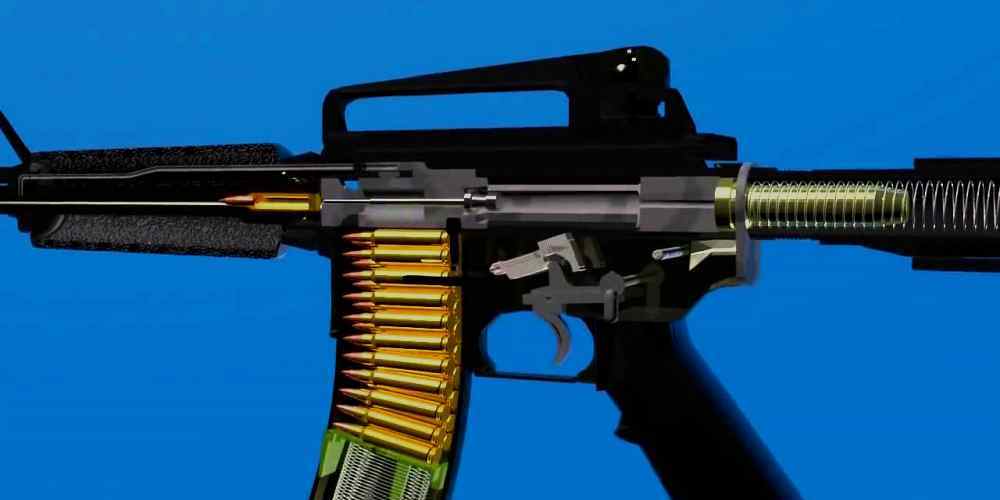
The AR-15 uses a direct impingement gas system, which means gas from the fired round is tapped from the barrel and routed back to cycle the action. What many owners never learn is that the location of the gas port along the barrel—commonly described as carbine, mid-length, or rifle gas—changes the character of the entire firearm. The barrel length alone does not determine how the rifle behaves. Gas port location, dwell time, and port pressure all work together to influence reliability and recoil.
Historically, the AR platform was designed around a rifle-length gas system, and later configurations adapted that design for shorter barrels and different mission profiles. As carbines became more popular, the gas port was moved closer to the chamber to ensure reliable cycling on shorter barrels. That solved one problem but introduced another: higher port pressure and a sharper impulse. In practical terms, the rifle can feel snappier, cycle faster, and put more stress on internal components if the gas system is not well balanced.
For the average owner, this matters because “works fine” is not the same as “works optimally.” A rifle may function with multiple gas lengths, but the best setup depends on barrel length, ammunition type, buffer weight, and whether a suppressor is used. A 16-inch barrel with a mid-length gas system often feels softer and smoother than a carbine-gas setup, while a 14.5-inch barrel may be better served by carbine gas for reliability. The real secret is that the gas system is a tuning choice, not just a technical specification.
Why Gas Length Changes Reliability and Recoil
Gas length changes reliability because it changes how much pressure and time are available to drive the bolt carrier group rearward. In a shorter gas system, gas is tapped earlier while pressure is still relatively high. That can provide strong cycling energy, which is helpful in some setups, but it can also increase bolt velocity and create a harsher recoil impulse. In a longer gas system, gas is tapped later, when pressure has dropped more, often resulting in smoother operation and less abrupt movement.
This difference affects not only felt recoil but also parts life and ammunition sensitivity. A rifle that is overgassed may extract and eject aggressively, batter the buffer system, and wear on the bolt lugs and receiver extension over time. A rifle that is undergassed may struggle to lock back on an empty magazine, especially with weaker ammunition or when fouled. That is why reliable performance is about balance, not brute force. A properly tuned rifle should cycle consistently without running harder than necessary.
For responsible owners, the practical takeaway is simple: match the gas system to the intended use and test it with your actual ammunition. If you shoot mostly unsuppressed and want a soft-shooting 16-inch rifle, a mid-length gas system is often a strong choice. If you plan to run a suppressor, you may need to adjust buffer weight, consider an adjustable gas block, or choose a setup that is less prone to excessive gas. Always verify function with safe, live-fire testing before relying on a configuration for hunting or defensive use, and follow manufacturer guidance for any part changes.
The AR-15 gas system may not be the most visible part of the rifle, but it is one of the most important. Once owners understand how gas length affects reliability, recoil, and wear, they can make better decisions about barrel selection, buffers, ammunition, and accessory choices. That knowledge turns a rifle from merely functional into one that is truly well matched to its role.
The best setups are not always the most popular ones—they are the ones that run smoothly, consistently, and safely under real-world conditions. Whether you are building a new rifle or refining an existing one, pay attention to the gas system early in the process. A little understanding here goes a long way toward better performance, less frustration, and more confidence every time you take the rifle out.