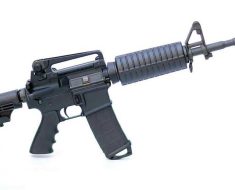
If you’ve ever run an AR-15 through a longer range session or a training day, you already know heat is more than a comfort issue—it affects consistency, handling, and, over time, component life. One of the most overlooked ways to manage that heat is barrel profile. The shape and mass of the barrel can make a noticeable difference in how quickly the rifle heats up, how long it stays stable, and how the gun feels in your hands. For responsible owners who value reliability, understanding this “barrel profile secret” is a practical step toward better performance and safer shooting habits.
Barrel Profile Basics for Better Heat Control
An AR-15 barrel profile refers to the external shape and thickness of the barrel along its length. Common profiles include government, pencil, lightweight, heavy, and hybrid designs. While each has its place, the key relationship is simple: more steel generally means more thermal mass, and more thermal mass usually means the barrel absorbs heat more slowly. That does not mean a heavy barrel never gets hot—it does—but it often takes longer to reach high temperatures under sustained fire.

Historically, many military and law enforcement carbines favored profiles that balanced weight with durability. Civilian shooters later embraced lighter barrels for easier carry, especially for hunting or home-defense setups where maneuverability matters. The tradeoff is that thinner barrels tend to heat up faster and can be more sensitive to point-of-impact shift as temperatures rise. For the owner who shoots slow, measured strings, a lightweight profile can be perfectly appropriate; for longer sessions or higher-volume training, more mass can provide a steadier shooting experience.
The practical takeaway is that barrel profile should match how you actually use the rifle. A field rifle carried for hours benefits from reduced weight, while a training rifle or competition setup may benefit from greater heat tolerance. Responsible owners should also remember that barrel profile is only one part of the system: gas system length, handguard design, ammunition choice, and firing cadence all influence heat behavior. Choosing the right barrel profile is about balance, not chasing the heaviest or lightest option available.
Why Profile Choice Changes AR-15 Cooling
Heat management is really about how quickly the barrel absorbs, distributes, and sheds heat. A thinner barrel has less material to act as a heat sink, so it reaches higher temperatures faster when the rifle is fired repeatedly. A thicker barrel spreads heat through more steel, which can reduce the rate of temperature rise and help maintain more consistent accuracy over time. In practical terms, that means profile choice can directly affect how the rifle performs during sustained strings, not just how it feels at the start of a session.
There is also a real-world accuracy component. As a barrel heats, metal expands, harmonics change, and the rifle may shift impact slightly. Many shooters notice this first when zero holds at the bench but groups begin to wander after several magazines. A more robust profile can reduce, though not eliminate, that effect. That is why precision-minded shooters, designated marksmen, and some hunters who expect follow-up shots often prefer profiles with greater stiffness and thermal stability. Still, no barrel is immune to heat, and good shooting discipline matters just as much as steel thickness.
For everyday owners, the best advice is to think in use cases. If the rifle is for home defense, carry comfort and quick handling may matter more than prolonged heat tolerance, especially since defensive shooting scenarios are typically very short. If the rifle is for classes, range days, or higher-volume practice, a barrel profile with more mass may be a worthwhile investment. Regardless of profile, safe heat management means following proper firearm handling, allowing the rifle to cool when needed, using quality components, and keeping hands clear of hot surfaces. A smart choice up front can make the rifle more dependable, more comfortable, and easier to shoot well.
The “secret” to better AR-15 heat management is not a gimmick—it is understanding that barrel profile changes how a rifle behaves under real use. Lighter barrels offer speed and convenience, while heavier or more balanced profiles provide better resistance to heat buildup and more stable performance during longer firing sessions. For responsible gun owners, the goal is not to eliminate heat, but to choose a setup that fits the job and supports safe, confident shooting. In the end, the right barrel profile is one more way to build a rifle that matches your needs, your discipline, and your commitment to responsible firearm ownership.