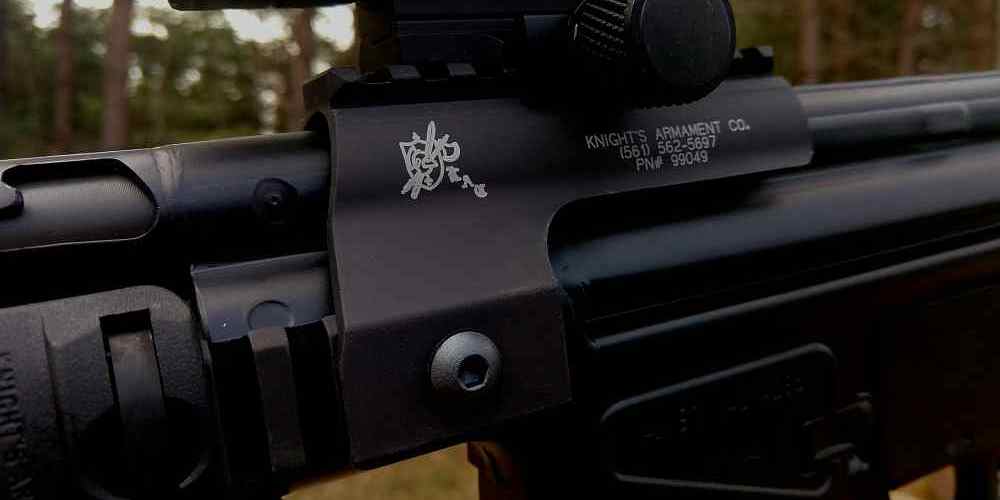
Most AR-15 owners focus heavily on the optic itself, and for good reason—glass quality, reticle design, battery life, and durability all matter. But one of the most overlooked parts of the setup is the mount holding that optic in place. A weak or poorly chosen mount can undermine an otherwise excellent optic, causing zero shifts, reliability issues, and frustration when it matters most. For responsible gun owners, hunters, and defensive shooters alike, understanding the mount is part of building a dependable rifle system.
Why Cheap AR-15 Optics Mounts Fail Fast
A cheap mount often looks like a bargain until it starts showing its real weaknesses. Low-cost aluminum, poor machining, soft fasteners, and weak clamping surfaces can all allow an optic to move under recoil, especially over time. Even on a relatively mild recoil platform like the AR-15, repeated firing can expose tiny flaws that eventually become big problems—loose screws, inconsistent torque, and the dreaded loss of zero. If you depend on your rifle for training, hunting, or home defense, that kind of instability is more than an inconvenience.

Another issue is poor return-to-zero and inconsistent alignment. Many inexpensive mounts are not machined to tight tolerances, and that means the optic may sit slightly off-center or unevenly clamped each time it is removed and reinstalled. For shooters who use flip-to-side magnifiers, night vision, backup optics, or removable setups, this can create a frustrating cycle of re-zeroing. Historically, military and law enforcement users learned long ago that the interface between optic and firearm matters just as much as the optic itself, which is why serious mounting systems were developed in the first place.
Cheap mounts can also create handling problems. If the mount is too tall, too low, or poorly designed, it can make proper cheek weld difficult and slow down target acquisition. Some budget mounts have sharp edges, flimsy quick-release levers, or hardware that strips easily when torqued. In a defensive or hunting context, where confidence and consistency matter, a mount that shifts, loosens, or interferes with your natural shooting position is a liability. Responsible firearm ownership means building the whole system correctly, not just buying the biggest optic you can afford.
How to Choose a Better Mount for Your Optic
Start by matching the mount to the optic, the rifle, and the job. A red dot for close-range work has different needs than a low-power variable optic, and both differ from setups intended for hunting or longer-distance use. Look for a mount made from quality materials such as forged or precision-machined aluminum, with strong cross-bolts or recoil lugs and reliable hardware. Well-known manufacturers often publish torque specs and compatibility details, which is a good sign they designed the mount for repeatable performance rather than just appearance.
Pay close attention to height and geometry. On an AR-15, the optic should support a comfortable cheek weld and a natural sight picture without forcing you to crane your neck or lift your head unnaturally. This is especially important when using a magnified optic, where eye relief and mount height can dramatically affect speed and comfort. A good mount should also provide enough clearance for backup iron sights, accessory placement, and proper objective lens fit without crowding the rifle.
Finally, install the mount correctly and maintain it like any other critical component. Use a quality torque wrench, follow the manufacturer’s recommended settings, and apply thread locker only when appropriate and specified. After installation, confirm zero and then verify it again after live-fire sessions, transport, or any change to the setup. A mount is not just a bracket; it is a structural connection between your optic and your rifle. Choosing a well-built mount is one of the simplest ways to make an AR-15 more dependable, more accurate, and more trustworthy in the field or on the range.
The optic may get most of the attention, but the mount is what keeps that optic honest. A solid mount protects your zero, improves your shooting position, and helps ensure the rifle performs the same way every time you pick it up. For anyone who values safety, consistency, and responsible firearm use, upgrading from a bargain mount to a better-designed one is money well spent. In many cases, it is the difference between an optic that merely looks good and a setup you can truly trust.