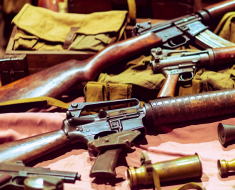
Understanding the Market for Military Surplus Firearms
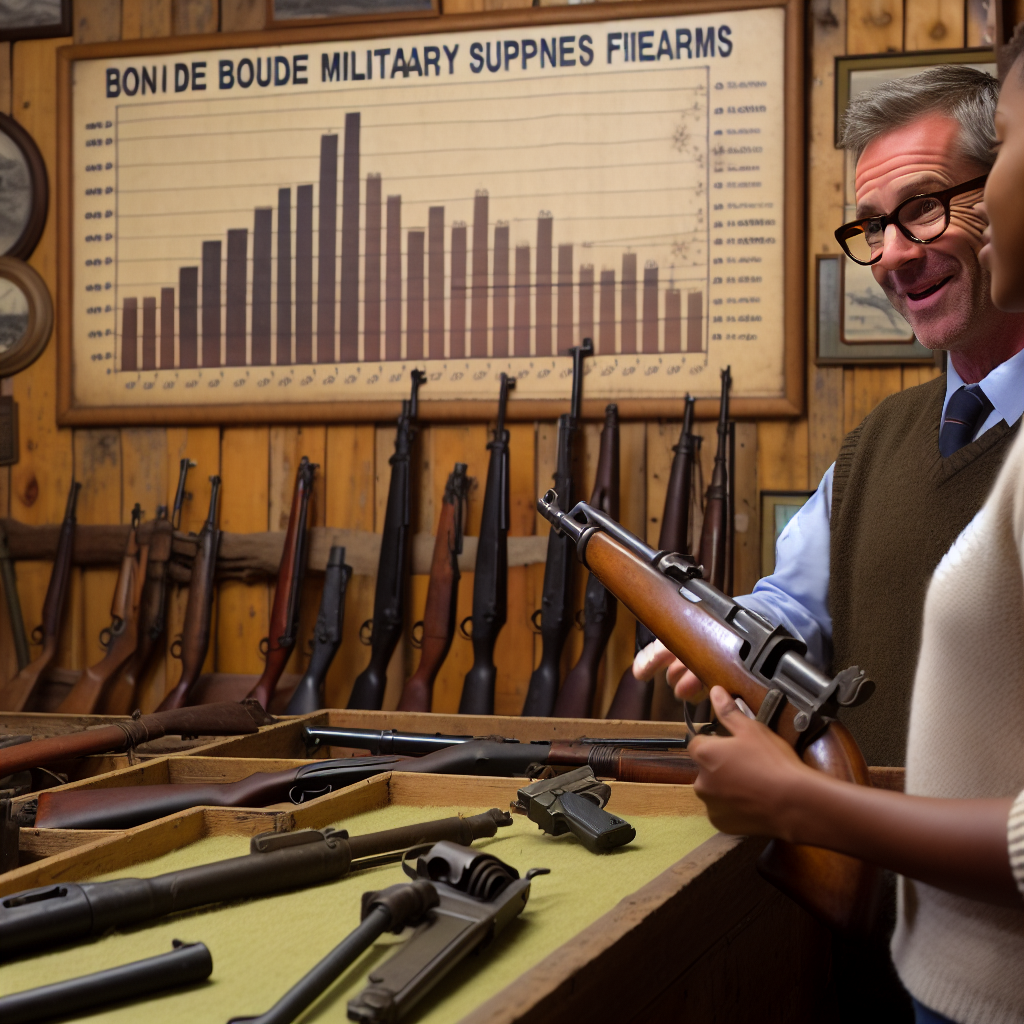
The market for military surplus firearms has fascinated collectors, enthusiasts, and investors for decades. These weapons, once standard-issue for armed forces worldwide, carry historical significance, unique craftsmanship, and often, practical utility. Understanding this market requires a deep dive into its origins, the types of firearms available, legal considerations, and the economic factors influencing demand and supply.
The Origins and Evolution of Military Surplus Firearms
Military surplus firearms are weapons that were originally produced for armed forces but later sold to civilians or private entities after becoming obsolete or replaced by newer models. The surplus market emerged prominently after major conflicts such as World War I, World War II, the Korean War, and the Vietnam War.
These conflicts generated vast quantities of firearms that were no longer needed once hostilities ended or when military strategies evolved to favor newer technology. Governments often sold these weapons to recoup costs or to reduce storage expenses.
For example:
- The massive post-World War II sales of M1 Garand rifles flooded the U.S. civilian market in the late 1940s and 1950s.
- The AK-47 and its variants became widely available globally due to Soviet bloc countries offloading surplus stock in the late 20th century.
- British Lee-Enfield rifles from WWI and WWII remain highly collectible due to their historical importance and robust design.
Understanding these historical contexts helps explain why certain firearms dominate the surplus market today.
Types of Military Surplus Firearms Available Today
The military surplus firearms market is incredibly diverse, with offerings ranging from bolt-action rifles used in early 20th-century conflicts to semi-automatic carbines and pistols from more recent decades. These can be broadly categorized as follows:
- Bolt-Action Rifles: Classic examples include the Mauser 98, Lee-Enfield No.4, Mosin-Nagant M91/30, and Springfield M1903. Known for their accuracy and reliability, these rifles are popular among collectors and hunters alike.
- Semi-Automatic Rifles: The M1 Garand was a revolutionary semi-automatic rifle during WWII. Other examples include the FN FAL, SKS carbine, and early versions of the AR-15 platform.
- Automatic Rifles & Carbines: The AK-47 family is arguably the most famous automatic rifle series globally. Other notable models include the Heckler & Koch G3 and FN FNC.
- Pistols & Sidearms: Surplus handguns such as the Colt M1911, Tokarev TT-33, Luger P08, and Walther P38 are sought after for their design and historical relevance.
This variety caters to different segments within the market—from casual collectors to tactical shooters—each valuing different attributes such as caliber, rarity, condition, or provenance.
Legal Considerations in Buying and Selling Military Surplus Firearms
The purchase and sale of military surplus firearms are heavily regulated in many countries due to safety concerns and efforts to control illegal arms proliferation. In the United States alone, federal laws such as the Gun Control Act of 1968 govern transfers of firearms between individuals and dealers.
Key legal factors include:
- Registration Requirements: Certain surplus firearms may require registration with federal authorities depending on their classification (e.g., automatic weapons).
- Import Restrictions: Many countries restrict or ban imports of surplus military arms to prevent illegal distribution or misuse.
- State & Local Laws: Regulations vary widely; some states have bans on specific types of firearms or magazine capacities that affect what can be legally owned or sold.
- Demilitarization Standards: Some surplus guns must be “demilled” (rendered permanently inoperable) before sale to civilians unless specific licenses are obtained.
A notable example is Canada’s strict control over imported military surplus rifles; only certain models meeting specific criteria can be legally imported or possessed. Similarly, Australia’s stringent gun laws limit civilian ownership drastically compared to other Western nations.
The Economics Driving Supply and Demand in the Surplus Market
The economics behind military surplus firearms fluctuate based on geopolitical events, collector interest trends, legislation changes, and even economic cycles. Several factors influence supply:
- Government Disposals: Military downsizing or modernization programs often release large quantities of older weapons into civilian markets.
- Conflicts & Aftermaths: Post-conflict arms embargoes or peace treaties sometimes trigger sales or destruction of stockpiles.
- Private Collections & Dealers: Large-scale private collectors periodically sell off inventory that enters secondary markets worldwide.
Demand is driven by various consumer groups including collectors seeking rare pieces with provenance; hunters appreciating rugged designs; recreational shooters attracted by affordability; historical reenactors; and investors viewing rare firearms as alternative assets.
A good case study involves AK-47 variants: Their ubiquity during Cold War conflicts meant millions were produced.
As older models phase out militarily but remain functional for civilians with proper licensing, demand has remained robust especially among those looking for reliable and historically significant firearms.
Understanding these dynamics can help enthusiasts navigate the market effectively.