The Story of the Colt Walker Revolver
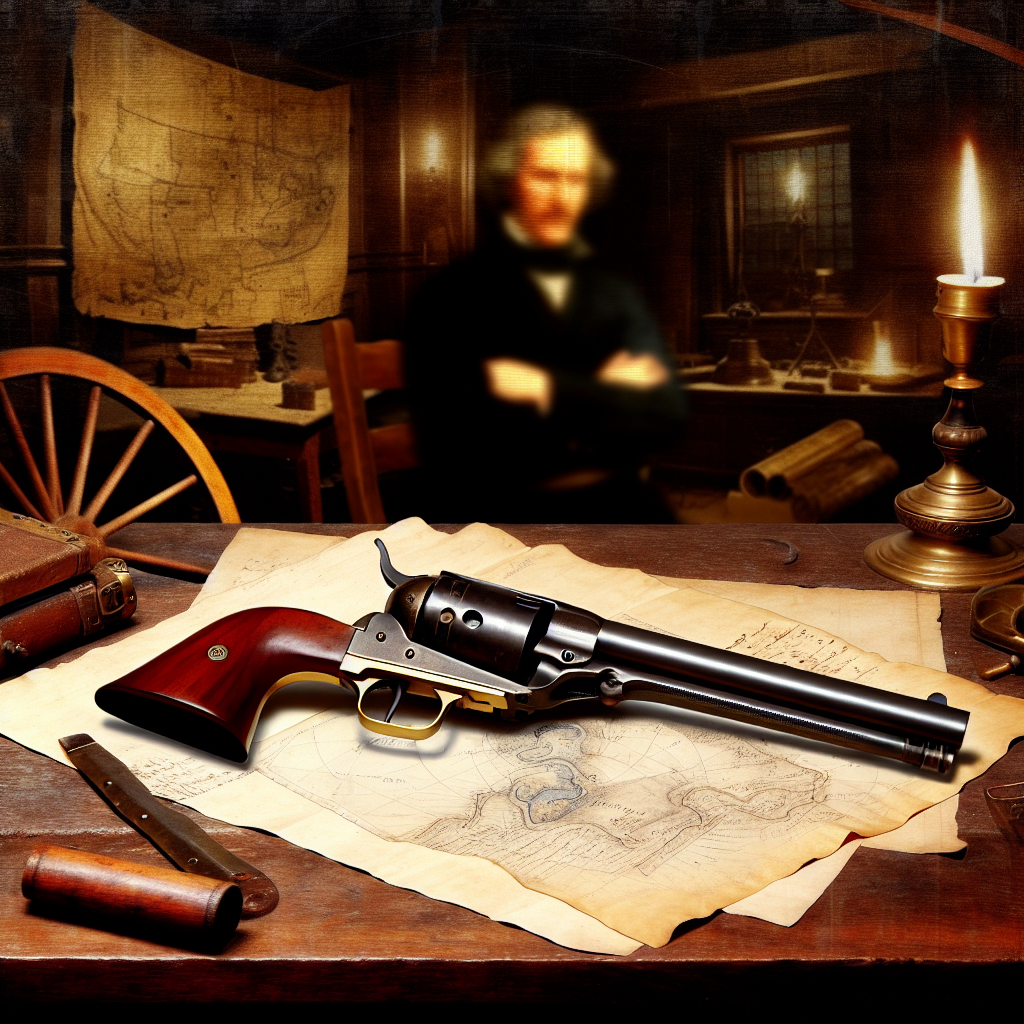
The Colt Walker revolver stands as one of the most iconic firearms in American history, symbolizing innovation, power, and the rugged spirit of the Old West. Born out of necessity during a turbulent period in the mid-19th century, this firearm revolutionized handguns and left an indelible mark on both military and civilian weaponry. In this article, we explore the fascinating story behind the Colt Walker revolver—its origins, design, historical significance, and lasting legacy.
Origins: A Collaboration Between Legends
The Colt Walker revolver emerged from a unique collaboration between two influential figures: Samuel Colt, the visionary firearms inventor, and Captain Samuel Hamilton Walker, a Texas Ranger and experienced soldier. This partnership was forged during the Mexican-American War (1846-1848), a conflict that exposed significant shortcomings in existing sidearms used by American troops.
Samuel Colt had already made waves with his earlier revolver designs, including the famous Colt Paterson revolver introduced in 1836. However, these early models were relatively small-caliber and lacked stopping power. Meanwhile, Captain Samuel Walker recognized the need for a more powerful handgun that could deliver greater firepower in close combat situations faced by mounted troops and Rangers battling Mexican forces.
- Captain Samuel H. Walker: An experienced Texas Ranger known for his sharpshooting skills and tactical acumen.
- Samuel Colt: An innovative arms manufacturer with patents on revolving cylinder mechanisms.
The two men joined forces to design a handgun that combined Colt’s patented revolver mechanism with Walker’s specifications for increased caliber and power. Their collaboration led to what would become known as the “Colt Walker,” a .44 caliber six-shot revolver boasting unmatched stopping power at the time.
Design Innovations and Technical Specifications
The Colt Walker was revolutionary not only because of its firepower but also due to several design innovations that set new standards for revolvers.
- Caliber and Firepower: The revolver fired .44 caliber round balls propelled by a substantial black powder charge—approximately 60 grains per chamber—making it one of the most powerful handguns of its era.
- Cylinder Capacity: It featured six chambers in its rotating cylinder, allowing for multiple shots without reloading—a critical advantage in combat situations.
- Barrel Length: Sporting an unusually long 9-inch barrel (compared to typical six-inch barrels on contemporary revolvers), this contributed to increased muzzle velocity and accuracy.
- Weight: At nearly 4.5 pounds (around 2 kilograms), it was heavy for a handgun but manageable for mounted troops needing effective stopping power.
- Loading Lever: The revolver included an integrated loading lever beneath the barrel to seat bullets firmly into each chamber—a practical feature for faster reloading under pressure.
This combination of features made the Colt Walker not only powerful but also practical for frontier warfare conditions. However, its hefty size did pose challenges related to weight and handling that would influence future designs by Colt and others.
The Role of the Colt Walker in the Mexican-American War
The Mexican-American War provided an ideal testing ground for the Colt Walker’s capabilities. In 1847, approximately 1,100 units were produced specifically for use by mounted Texas Rangers under General Winfield Scott’s command during his campaign to capture Mexico City.
The revolver’s immense stopping power was crucial during cavalry charges and close-quarters skirmishes across varied terrains ranging from deserts to urban environments. Contemporary accounts highlight how soldiers wielded it with devastating effect against enemy combatants armed primarily with single-shot pistols or muskets.
- Increased Combat Effectiveness: Troops equipped with Colts had enhanced firepower enabling them to engage multiple adversaries before needing to reload.
- Tactical Flexibility: Mounted Rangers found it easier to defend themselves while maneuvering at high speeds due to its reliable six-shot capacity.
An often-cited example is Captain Samuel H. Walker himself who reportedly used his namesake revolver with lethal efficiency throughout various battles until his untimely death later that year in September 1847. His endorsement helped popularize the weapon among other Rangers and soldiers alike.
Challenges and Limitations
Despite its many strengths, the Colt Walker was not without flaws. Early production runs revealed some critical issues that affected reliability and safety—factors that would inform subsequent firearm improvements:
- Cylinder Failures: The intense powder charge occasionally caused cylinders to burst or crack during firing due to insufficient metallurgy technology at the time.
- Excessive Weight: While powerful, its heaviness made it cumbersome for prolonged carry or rapid maneuvering compared to lighter pistols emerging later.
- Loading Time: Although faster than single-shot pistols, muzzle-loading each chamber with black powder and ball remained slow relative to modern cartridge firearms.
The bursting cylinder problem was particularly dangerous; several incidents were reported where shooters suffered injuries from exploding chambers. These issues led Colt’s factory workers to reinforce cylinder walls in later batches while maintaining overall design integrity.
The Legacy of the Colt Walker Revolver</
The Legacy of the Colt Walker Revolver is significant, as it paved the way for future advancements in revolver design and manufacturing.
Its influence can still be seen in modern firearms, showcasing the importance of innovation in weaponry.