The Story of the Garand M1 Carbine
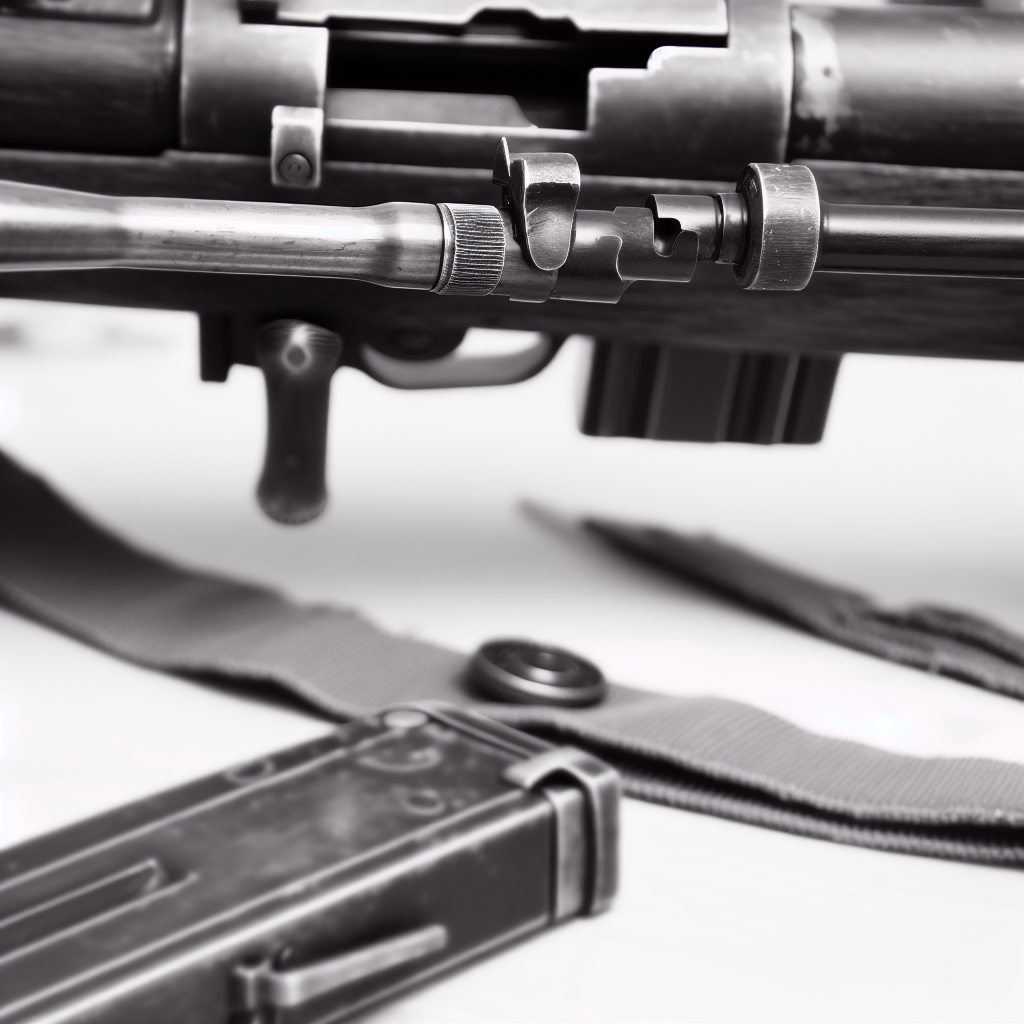
The Garand M1 Carbine stands as one of the most iconic firearms in American military history. Its design, development, and deployment marked a pivotal evolution in infantry weaponry during World War II and beyond. This article delves deep into the story of the Garand M1 Carbine, exploring its origins, technical specifications, battlefield performance, and lasting legacy.
Origins and Development: Meeting a New Battlefield Need
In the early 1940s, as global conflict intensified, the United States Army identified a crucial gap in their infantry weapons arsenal. The standard-issue M1 Garand rifle was powerful and reliable but heavy and cumbersome for certain soldiers such as support troops, paratroopers, and officers who needed a lighter firearm for self-defense rather than frontline combat.
The need for a lightweight, semi-automatic carbine led to the birth of what would become the M1 Carbine. The U.S. Army Ordnance Department issued specifications for a new weapon that could fire an intermediate cartridge with less recoil and weight than the traditional .30-06 Springfield round used by the M1 Garand rifle.
- Weight: Less than 5 pounds to enhance mobility.
- Length: Compact enough for ease of carry.
- Ammunition: A new .30 caliber cartridge smaller than standard rifle rounds.
- Rate of Fire: Semi-automatic with optional select-fire variants later introduced.
In response to this request, several manufacturers submitted designs. However, it was Winchester’s submission that ultimately won favor due to its innovative use of lightweight materials and efficient gas-operated mechanism. The design was then refined under the supervision of General George S. Patton Jr., who was an early proponent of the carbine concept for mechanized infantry.
Technical Features and Innovations
The Garand M1 Carbine incorporated numerous innovations that made it both effective and user-friendly on the battlefield. Unlike its larger counterpart — the M1 Garand rifle — which fired powerful full-sized rifle cartridges, the M1 Carbine fired a smaller .30 caliber cartridge (.30 Carbine), delivering less recoil but sufficient stopping power within typical engagement ranges.
Key technical features include:
- Semi-Automatic Operation: The gas-operated action allowed for rapid follow-up shots without manual cycling.
- Lightweight Design: Weighing approximately 5.2 pounds (2.36 kg), it was significantly lighter than other service rifles, improving soldier mobility.
- Magazine Capacity: A detachable 15-round box magazine provided ample ammunition without excessive weight.
- Sights: Equipped with adjustable iron sights suitable for engagements up to 300 yards.
- Muzzle Velocity: Approximately 1,990 feet per second (607 meters per second), balancing velocity and control.
The design also emphasized simplicity and ease of maintenance. Its parts were relatively easy to disassemble and clean in field conditions — an essential feature given the harsh environments soldiers often faced in World War II’s Pacific jungles or European battlefields.
The Role of the M1 Carbine in World War II
The introduction of the M1 Carbine into active service began in late 1942, with widespread deployment by mid-1943. It quickly became favored among troops who required a compact yet effective weapon system beyond pistols or submachine guns.
The carbine’s primary users included:
- Paratroopers: Airborne units benefited greatly from its light weight during jumps and quick engagements after landing.
- Support Troops: Artillerymen, engineers, medics, and other non-frontline personnel could defend themselves effectively without carrying full-sized rifles.
- Officers & NCOs: Command personnel appreciated its balance between firepower and portability for leading units in fast-moving operations.
The weapon saw extensive action across multiple theaters: Europe, North Africa, and the Pacific. For instance, during the Battle of Normandy (June 1944), airborne troops armed with M1 Carbines played critical roles in securing objectives behind enemy lines where heavier rifles would have been impractical.
A notable example is Easy Company of the 506th Parachute Infantry Regiment (popularized by “Band of Brothers”), whose soldiers often relied on their carbines during rapid assaults amidst dense forest terrain. In these environments, quick handling and moderate range were more valuable than long-distance power.
M1 Carbine Versus Other Infantry Weapons
The carbine occupied an intermediate role between pistols and rifles or submachine guns. Compared to submachine guns like the Thompson or MP40 which fired pistol rounds with limited range and penetration:
- The M1 Carbine offered longer effective range (~300 yards vs ~100 yards).
- Lighter recoil improved accuracy during rapid fire situations compared to heavier rifles.
- The .30 Carbine round had better penetration through light cover than pistol calibers used by SMGs.
This balance made it uniquely suited for specific combat roles but also led to some criticism that it lacked stopping power compared to standard infantry rifles. Nevertheless, the M1 Carbine remains a significant piece of military history, valued for its versatility and effectiveness in various combat scenarios.