Top Mistakes to Avoid During Gun Maintenance
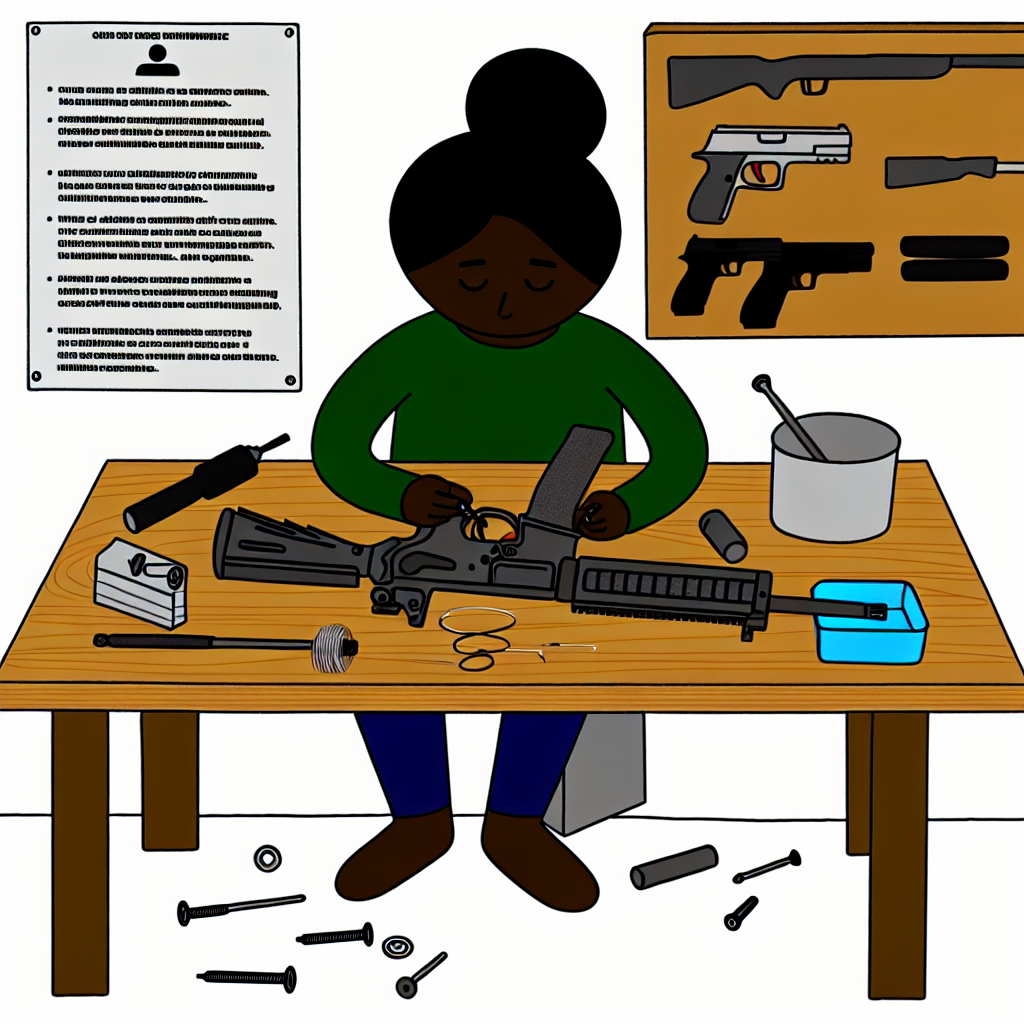
Proper gun maintenance is crucial for ensuring the safety, reliability, and longevity of your firearm. Whether you are a seasoned shooter or a novice gun owner, understanding how to care for your weapon correctly can prevent malfunctions and extend its life. Unfortunately, many gun owners make avoidable mistakes during maintenance that can compromise performance or even lead to dangerous situations.
In this article, we will explore the top mistakes to avoid during gun maintenance. By highlighting common errors and providing actionable advice, this guide aims to help you keep your firearm in optimal condition and promote safe handling practices.
Understanding the Importance of Proper Gun Maintenance
Before diving into specific mistakes, it’s important to understand why proper gun maintenance matters. Firearms are precision instruments with numerous moving parts that endure significant stress when fired. Dirt, fouling, moisture, and corrosion can accumulate inside the barrel and action, leading to decreased accuracy, jams, or catastrophic failures.
Statistics from the Bureau of Alcohol, Tobacco, Firearms and Explosives (ATF) indicate that approximately 20% of firearm malfunctions reported in law enforcement stem from inadequate cleaning or poor maintenance practices. Moreover, firearms that are not regularly maintained pose a safety risk to their users due to unpredictable behavior under stress.
In short, consistent and proper maintenance ensures:
- Reliable operation
- Increased accuracy
- Prevention of corrosion and wear
- Extended firearm lifespan
- User safety during handling
Mistake #1: Neglecting Safety Precautions During Maintenance
The most critical aspect of any gun-related activity is safety. One of the most common—and dangerous—mistakes made during gun cleaning is failing to ensure the firearm is completely unloaded before starting maintenance.
Example: In 2019, a study published by the National Safety Council found that accidental discharges during cleaning accounted for nearly 15% of unintentional shooting incidents reported annually in the United States. These accidents typically happen when owners assume their weapon is unloaded but fail to visually and physically check.
Best Practices:
- Always unload your firearm: Remove the magazine and check both the chamber and magazine well for any live rounds.
- Keep the muzzle pointed in a safe direction: Even during cleaning, maintain muzzle discipline.
- Avoid distractions: Perform maintenance in a quiet area where you can focus fully on what you’re doing.
- Use proper tools: Ensure all tools used are designed for firearms to avoid damage or accidental injury.
Mistake #2: Using Improper Cleaning Materials and Chemicals
The use of incorrect cleaning solvents or lubricants is another frequent error that can damage your firearm’s components over time. Many gun owners resort to household oils or harsh chemicals not designed for firearms due to convenience or cost-saving measures.
Case Study: A report by Gunsmith Magazine in 2021 highlighted several cases where use of automotive degreasers on rifle barrels led to accelerated rusting within weeks due to residual chemicals reacting with metal surfaces.
Avoid These Common Pitfalls:
- Avoid using WD-40 as a cleaner: While it can displace moisture temporarily, WD-40 does not provide adequate lubrication or long-term protection against corrosion.
- Do not use household oils like vegetable oil or motor oil: These can gum up moving parts and attract dirt.
- Select products specifically formulated for firearms: Choose quality gun solvents, lubricants, and protectants recommended by manufacturers or reputable gunsmiths.
- Avoid over-lubrication: Excess lubricant attracts dust and debris leading to malfunctions; apply sparingly according to manufacturer instructions.
Mistake #3: Inadequate Cleaning Frequency and Technique
Cleansing your firearm too infrequently or employing improper techniques leads to fouling buildup that negatively impacts performance. On the other hand, over-cleaning—especially with abrasive tools—can cause wear on delicate surfaces such as rifling inside barrels.
The ideal cleaning schedule varies depending on usage type but general guidelines include:
- Cleansing after every shooting session: Residue from powder combustion and primer material accumulates quickly and needs removal.
- Cleansing after exposure to harsh environments: Saltwater exposure or dusty conditions require immediate attention due to increased corrosion risk.
Ineffective Techniques To Avoid:
- Poor disassembly: Failing to properly field-strip your firearm prevents thorough cleaning of internal parts.
- Aggressive scrubbing with steel brushes on soft finishes: This may remove protective coatings leading to premature rusting.
- Using cotton patches instead of specialized bore brushes/pull-throughs: Cotton alone may not remove stubborn carbon buildup efficiently without proper solvent use.
Mistake #4: Ignoring Manufacturer Instructions and Warranty Guidelines can lead to improper maintenance practices that might void warranties or damage the firearm. Always refer to the manufacturer’s guidelines for specific cleaning and maintenance recommendations.
By avoiding these common mistakes, you can ensure your firearm remains in optimal condition for years to come.