How to Clean and Protect Gun Stocks: A Comprehensive Guide
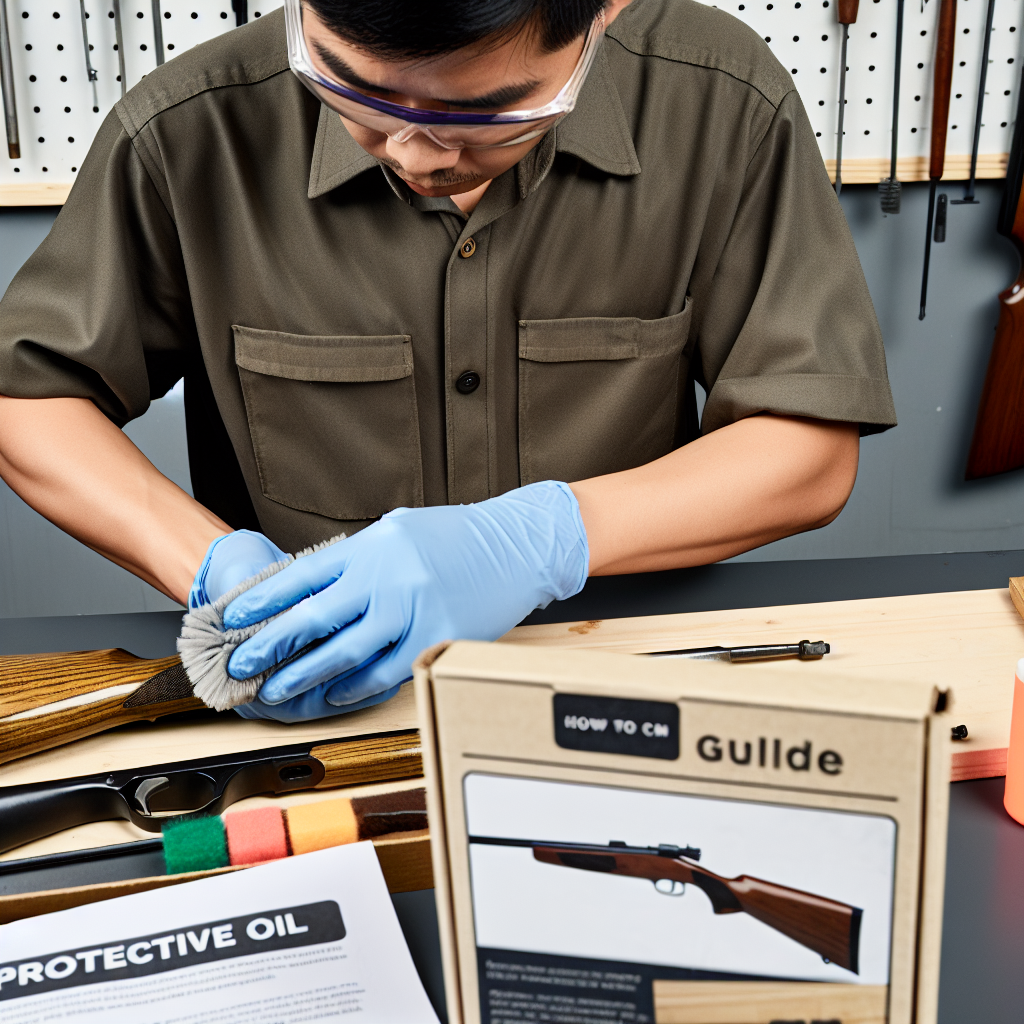
Gun stocks are more than just a structural component of a firearm; they are an essential part of its aesthetic and functional integrity. Whether made from wood, synthetic materials, or laminated composites, gun stocks require regular maintenance to preserve their appearance and durability. Proper cleaning and protection not only enhance the performance of your firearm but also extend its lifespan significantly.
In this article, we will delve into the best practices for cleaning and protecting various types of gun stocks. You’ll learn about the materials involved, the right cleaning agents, protective coatings, and maintenance tips supported by expert insights and practical examples.
Understanding Different Types of Gun Stocks
Before diving into cleaning techniques, it’s important to understand the material composition of your gun stock because each type requires specific care.
- Wooden Stocks: Traditionally crafted from walnut, maple, birch, or other hardwoods, wooden stocks are prized for their classic appearance and feel. They are susceptible to moisture damage, scratches, and changes in temperature.
- Synthetic Stocks: Made from polymers like fiberglass-reinforced nylon or composite materials, synthetic stocks are lightweight and resistant to environmental factors but can still accumulate dirt and grime.
- Laminated Stocks: These consist of thin layers of wood glued together under pressure. Laminated stocks offer enhanced strength compared to traditional wood but require careful cleaning to avoid delamination.
Knowing your stock’s material helps in choosing the right products and techniques to clean and protect it effectively.
Essential Tools and Materials for Cleaning Gun Stocks
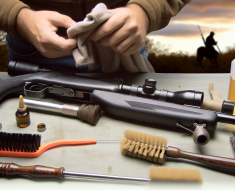
Cleaning a gun stock doesn’t require expensive equipment but using the right tools is crucial for achieving good results without causing damage. Here are some recommended items:
- Soft Cloths: Microfiber or cotton cloths are ideal for wiping down surfaces gently.
- Mild Soap Solution: A mixture of mild dish soap with warm water works well for removing dirt without stripping finishes.
- Synthetic Brushes: Soft-bristled brushes help remove grime from textured or hard-to-reach areas.
- Gun Stock Oil or Wax: Products such as linseed oil or specialized gun stock waxes provide nourishment and protection for wooden stocks.
- Synthetic Cleaner: For synthetic stocks, use cleaners designed for plastic or polymer surfaces.
- Cotton Swabs/Q-tips: Useful for detailed cleaning around screws or intricate carvings.
Using these tools appropriately will help maintain your gun stock’s beauty while ensuring its longevity.
The Step-by-Step Process to Clean Wooden Gun Stocks
Wooden gun stocks demand careful handling because improper cleaning can lead to cracks, discoloration, or loss of finish. Here is a detailed process tailored specifically for wooden stocks:
1. Initial Dusting and Surface Cleaning
Start by wiping down the stock with a dry microfiber cloth. This removes dust particles that could scratch the surface during deeper cleaning.
2. Gentle Washing with Soap Solution
Create a mild soap solution using a few drops of dish soap in warm water. Dampen (do not soak) a cloth in this solution and gently wipe the stock’s surface. Avoid excess moisture which can seep into the wood grain causing swelling or warping.
3. Drying Thoroughly
After wiping with the soap solution, immediately dry the stock using a clean cloth. Allow it to air dry completely in a well-ventilated area away from direct sunlight or heat sources.
4. Applying Protective Oil
This step is critical in maintaining wood elasticity and luster. Use boiled linseed oil (BLO) or tung oil — both have been time-tested by gunsmiths for centuries. Apply a thin layer with a soft cloth following the grain direction:
- Avoid heavy coats: Excess oil can create sticky residues attracting dust.
- Cure Time: Allow at least 24 hours between applications; multiple light coats yield better results than one thick coat.
5. Polishing with Wax (Optional)
If you want extra protection against moisture and minor scratches, apply a high-quality paste wax designed for wood after oiling. Buff it lightly until you achieve a soft shine.
Caring for Synthetic and Laminated Gun Stocks
Synthetic stocks generally require less maintenance but still benefit from regular cleaning to remove oils from hands, dirt buildup, and other contaminants that could degrade their appearance over time.
Synthetic Stock Cleaning Tips
-
Mild Detergent Use: Similar to wooden stocks but avoid oil-based products which can degrade plastics over time.
-
Avoid Abrasives: Use soft cloths rather than brushes that might scratch polymer surfaces.
-
Mild Solvents Caution: Avoid harsh solvents such as acetone which can cause discoloration or warping.
Laminated stock requires similar care to both wood and synthetic stocks, ensuring that you clean it gently and avoid harsh chemicals.
Regular maintenance will keep your gun stocks in excellent condition and extend their lifespan.