Cleaning Your Gun After Hunting Season: A Comprehensive Guide
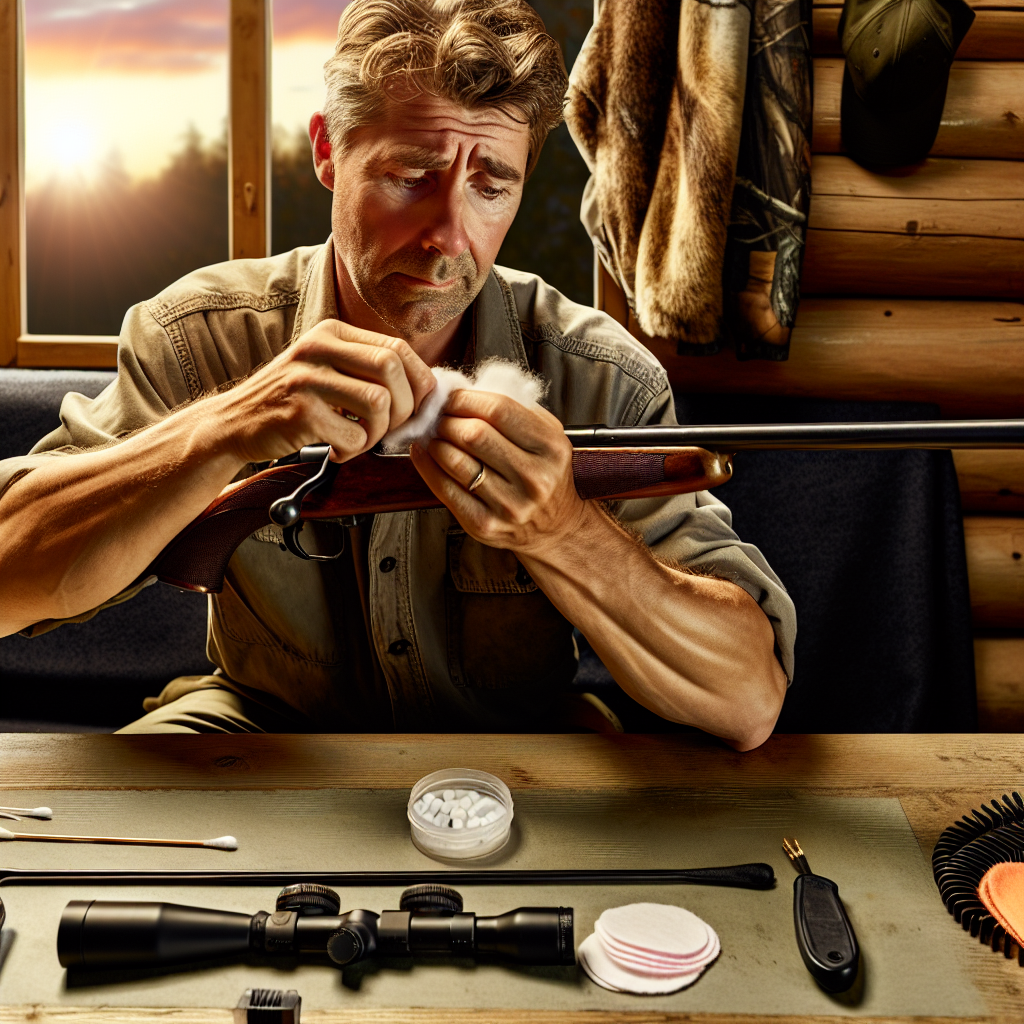
After a long and rewarding hunting season, one of the most important tasks every responsible hunter must undertake is properly cleaning and maintaining their firearm. Neglecting this crucial step can lead to corrosion, malfunction, and ultimately compromise safety and performance in future hunts. This article explores the essential steps, techniques, and best practices for cleaning your gun after hunting season to ensure its longevity and reliability.
Why Cleaning Your Gun After Hunting Season Is Crucial
Firearms are precision instruments that require regular care to maintain optimal performance. During hunting season, guns are exposed to various elements such as dirt, moisture, gunpowder residue, and sometimes animal blood or oils that can degrade the firearm if left uncleaned.
Several studies highlight the impact of poor maintenance on firearm reliability. For instance, a 2019 report from the National Shooting Sports Foundation (NSSF) indicated that approximately 40% of firearms malfunctions reported were due to improper cleaning or neglect. Corrosion caused by moisture trapped inside barrels or action mechanisms is a common culprit.
Moreover, proper cleaning not only preserves functionality but also enhances safety. Residue buildup can cause misfires or jams, which may lead to dangerous situations in the field or at the range.
- Prevents corrosion: Moisture and organic matter lead to rust formation.
- Maintains accuracy: Fouling in the barrel affects bullet trajectory.
- Ensures safety: Avoids jams and misfires caused by residue buildup.
- Prolongs lifespan: Regular care extends the life of your firearm significantly.
Preparing Your Gun for Cleaning: Tools and Safety Measures
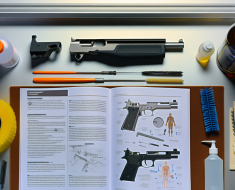
A successful cleaning session begins with preparation. Having the right tools and following proper safety procedures will make the process efficient and safe.
Essential Cleaning Tools
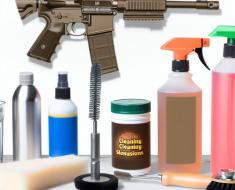
- Bore brush: To scrub the inside of the barrel; available in brass or nylon variants depending on barrel type.
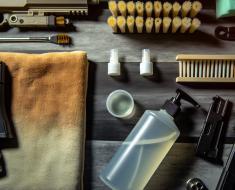
- Patches: Cotton patches for applying solvent and oil, as well as wiping residue.
- Cleaning rod or bore snake: For running brushes and patches through the barrel.
- Gun solvent/cleaner: Designed to break down powder residue and fouling.
- Gun oil/lubricant: To protect metal surfaces from rust and ensure smooth operation.
- Nylon brushes: To clean hard-to-reach areas without scratching metal parts.
- Microfiber cloths: For wiping external surfaces gently without damage.
- Screwdrivers/punches: For disassembling firearms if necessary (consult your firearm’s manual).
Safety Precautions
The first rule before any gun maintenance is ensuring the firearm is completely unloaded. Remove all ammunition from magazines, chambers, and storage areas. Always point the firearm in a safe direction during inspection and disassembly.
- Double-check unloading: Physically inspect chambers to confirm emptiness.
- No live ammo nearby: Keep ammunition away from cleaning area to avoid accidents.
- Work in a well-ventilated area: Gun solvents can emit harmful fumes.
- Avoid distractions: Concentrate fully on task for thoroughness and safety.
The Step-by-Step Process for Cleaning Your Gun After Hunting Season
The actual cleaning process involves several detailed steps that target different parts of your firearm. While specific instructions vary by gun type—bolt-action rifles, shotguns, semi-automatic rifles—the following general approach applies broadly.
1. Disassemble Your Firearm
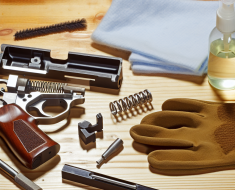
If you are comfortable doing so, partially disassemble your gun according to manufacturer instructions. This usually means removing the bolt or slide, separating barrel from stock where applicable, and exposing internal components like firing pins or extractor mechanisms for cleaning.
A case study involving hunters in Montana showed that those who performed thorough disassembly cleaned their firearms more effectively, reducing malfunction rates by over 30% compared to those who only cleaned externally (Montana Hunting Safety Report, 2021).
2. Clean the Barrel (Bore)
The barrel accumulates powder residue (fouling) after each shot. Run a solvent-soaked bore brush through it multiple times to loosen deposits. Follow with dry patches until they come out clean—this may take several repetitions depending on how dirty it is.
- Saturate bore brush with solvent before use.
- Add lubrication after solvent patches have cleaned thoroughly.
3. Clean Action Components
The bolt assembly, chamber area, trigger group, and magazine feed lips often collect dirt and grime during hunting trips. Use nylon brushes dipped in solvent to scrub these areas carefully without damaging springs or delicate parts. Wipe clean with patches or cloths afterward.
4. Wipe Down External Surfaces
Dirt, sweat, oils from hands can accelerate corrosion on external metal parts like
the receiver, barrel, and stock. Use a soft cloth and gun oil to wipe these surfaces, ensuring they are protected from moisture and rust.
Regular maintenance will extend the life of your firearm and ensure it performs reliably for years to come.