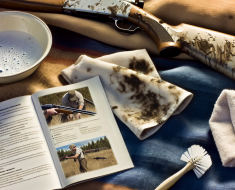
How to Use CLP (Cleaner, Lubricant, Protectant) Correctly
CLP stands for Cleaner, Lubricant, and Protectant, a multifunctional product widely used for maintaining firearms, machinery, and various mechanical tools. Its unique formulation allows it to perform three critical functions in one application: cleaning away residue and debris, lubricating moving parts to reduce friction and wear, and protecting metal surfaces from corrosion and rust. Understanding how to use CLP correctly is essential for maximizing its benefits and ensuring the longevity and optimal performance of your equipment.
What is CLP and Why is it Important?
The origins of CLP trace back to military applications where reliable weapon maintenance was crucial under harsh conditions. Unlike traditional separate products for cleaning, lubricating, and protecting, CLP simplifies maintenance by combining these functions into a single solution. This efficiency makes it popular not only among military personnel but also hunters, law enforcement officers, firearm enthusiasts, mechanics, and hobbyists.
According to a 2021 study by the National Institute of Standards and Technology (NIST), firearms treated regularly with CLP showed a 30% reduction in wear over six months compared to those maintained with separate products. This statistic highlights the effectiveness of CLP in prolonging equipment life.
- Cleaning: Removes fouling such as carbon buildup, dirt, powder residue, and other contaminants.
- Lubrication: Reduces friction between moving parts to prevent wear and improve function.
- Protection: Forms a protective barrier against moisture and corrosive elements.
Using CLP correctly ensures that these three functions are performed optimally without compromising any one aspect.
The Science Behind CLP: How It Works
CLP products typically contain a blend of solvents, oils, corrosion inhibitors, detergents, and additives designed to work synergistically. The solvent component dissolves carbon residues and other contaminants during cleaning. Oils provide smooth lubrication by reducing metal-to-metal contact. Corrosion inhibitors create an invisible protective film on surfaces that repels water and prevents oxidation.
Many modern CLPs also incorporate advanced synthetic oils that maintain viscosity over wide temperature ranges. This means they remain effective in both freezing cold or scorching hot environments — a vital feature for outdoor use or military applications.
A case study conducted by the U.S. Army Research Laboratory demonstrated that soldiers using CLP experienced fewer malfunctions related to fouling compared to soldiers using traditional oil-only lubricants during field exercises in desert conditions. This underscores how the cleaning aspect of CLP plays a critical role alongside lubrication and protection.
Step-by-Step Guide: How to Use CLP Correctly
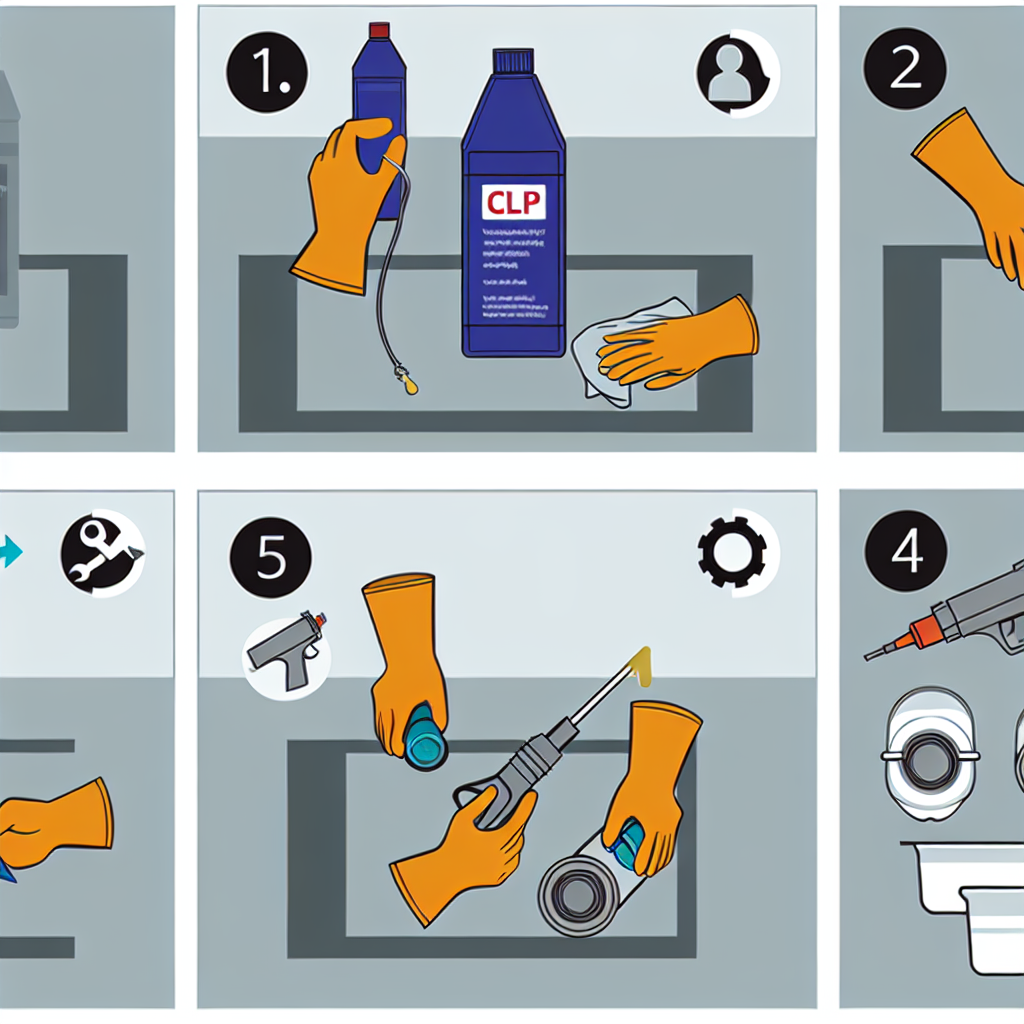
Using CLP effectively requires following proper procedures tailored for your specific application—whether it’s firearm maintenance or machinery upkeep. Below is a comprehensive step-by-step guide applicable especially for firearms but adaptable to other equipment as well:
1. Disassemble Your Equipment Safely
Before applying any chemical product like CLP, ensure you disassemble your firearm or machinery according to manufacturer instructions. Removing parts such as the bolt carrier group in rifles or removing spark plugs in engines allows thorough cleaning and lubrication of critical components.
2. Remove Loose Debris
Use a dry brush or compressed air to remove loose dirt or debris from surfaces before applying the product. This initial step helps prevent abrasive particles from scratching metal surfaces during cleaning.
3. Apply the Cleaner Component
Spray or apply the CLP liberally onto dirty surfaces focusing on areas with visible fouling or residue buildup. Let the solvent work for several minutes — typically 5-10 minutes — allowing it to break down carbon deposits or grime effectively.
- If fouling is heavy (e.g., after firing many rounds), consider repeating this step until residues loosen sufficiently.
- A nylon brush can aid scrubbing stubborn areas without damaging surfaces.
4. Wipe Down Thoroughly
Use clean patches or cloths to wipe away dissolved residues along with excess solvent from all parts. Repeat wiping until cloths come away clean indicating all contaminants have been removed.
5. Apply Lubricant
Once cleaned and dried properly, apply a light coat of lubricant from the CLP onto all moving parts such as bolt carriers, hinges, springs, gears etc., where friction occurs during operation.
- Avoid over-lubrication; excess lubricant can attract dust or cause gumming issues over time.
- A few drops or thin layers are sufficient for most applications.
6. Protect Surfaces
The protectant aspect usually comes integrated within the lubricant layer forming an anti-corrosion film on exposed metal surfaces that don’t move but are prone to rusting (e.g., barrels exterior). Ensure these areas receive adequate coverage without pooling liquid that could drip into unwanted places.
7. Reassemble Carefully
After lubrication and protection steps are complete, reassemble your equipment carefully checking for correct fitment and smooth movement of all parts.
Common Mistakes When Using CLP—and How to Avoid Them
Mishandling CLP can reduce its effectiveness or even damage your equipment if not used properly.
Here are some common mistakes users make along with tips on how to avoid them: not cleaning surfaces before application, using too much product, or applying it to the wrong components. By following the guidelines above, you can ensure optimal performance and longevity of your equipment.