The Role of Physical Fitness in Competitive Shooting
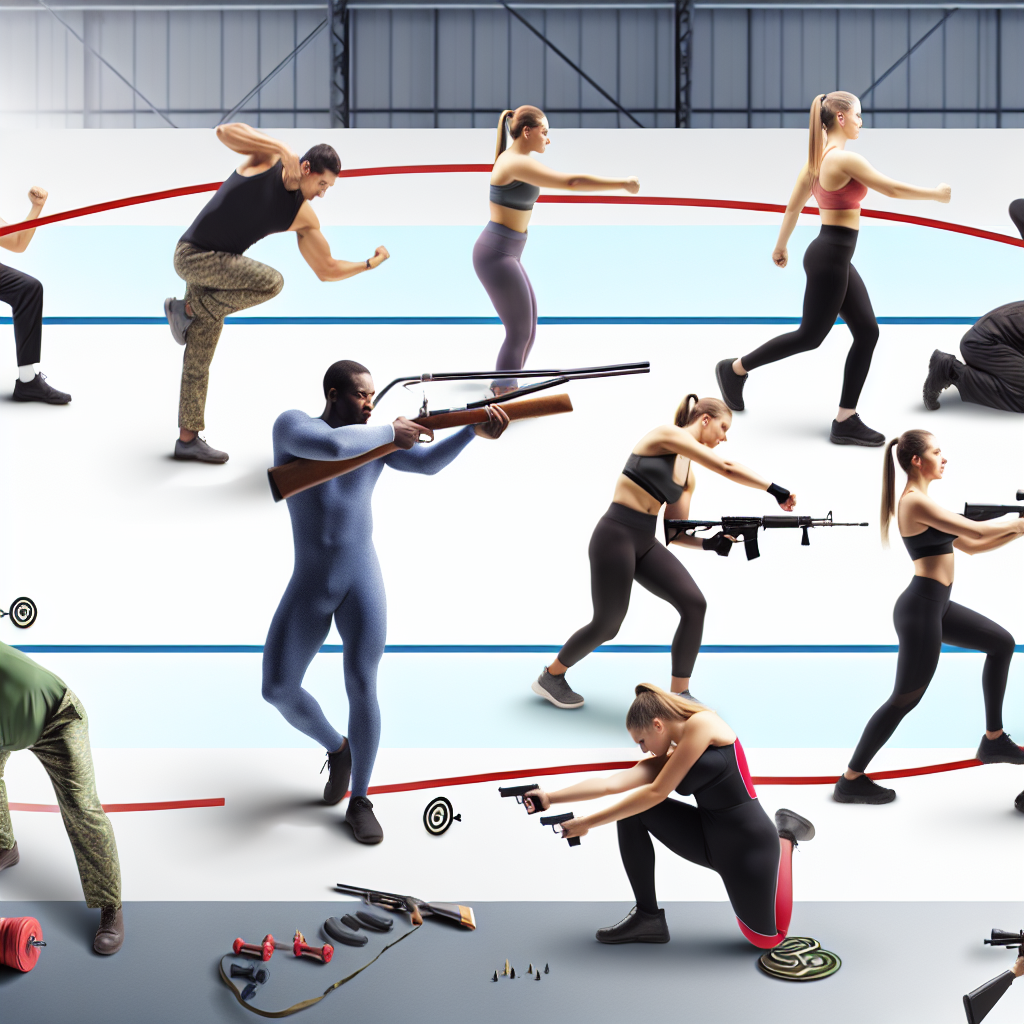
Competitive shooting is often perceived as a sport reliant solely on precision, concentration, and mental acuity. While these attributes are undeniably essential, the role of physical fitness in competitive shooting is increasingly recognized as a crucial factor that can significantly enhance performance. Physical conditioning not only improves stability and endurance but also sharpens mental focus and reduces fatigue during competitions.
In this article, we will explore the multifaceted relationship between physical fitness and competitive shooting, backed by research, expert insights, and real-world examples. From cardiovascular health to core strength and flexibility, we will dissect how various aspects of fitness contribute to better accuracy, consistency, and overall success in shooting sports.
Understanding the Demands of Competitive Shooting
Before delving into the specifics of physical fitness, it’s important to understand the unique demands that competitive shooting places on an athlete’s body and mind. Unlike many other sports that involve dynamic movement, shooting requires extreme control over small muscle groups combined with intense mental concentration.
Competitive shooters must maintain steady postures for extended periods while controlling their breathing and managing physiological stress responses such as heart rate and muscle tremors. These demands highlight why physical fitness extends beyond general health—it directly influences the shooter’s ability to perform under pressure.
- Muscular endurance: Holding a firearm steadily for minutes or hours requires sustained muscle engagement.
- Cardiovascular control: A lower heart rate reduces barrel movement caused by pulse and helps improve shot accuracy.
- Mental stamina: Physical fatigue can impair concentration and decision-making during competition.
- Flexibility and balance: Proper posture and movement efficiency are essential for quick transitions between shooting positions.
The Science Behind Physical Fitness and Shooting Accuracy
A growing body of research underscores the connection between physical fitness parameters and improved shooting performance. One study published in the Journal of Sports Sciences found that shooters with higher cardiovascular fitness exhibited lower heart rates during competition, which correlated with better shot grouping accuracy.
Additionally, muscular strength—particularly in the upper body—plays a vital role in stabilizing the firearm. A study conducted by the University of Jyväskylä in Finland demonstrated that shooters who engaged in resistance training showed significant improvements in their ability to hold rifles steady over time, reducing muscular fatigue that can cause shaking.
The following physiological factors influenced by fitness have been identified as critical to shooting success:
- Heart Rate Variability (HRV): Physically fit individuals often exhibit greater HRV, indicating superior autonomic nervous system regulation. This helps shooters remain calm under pressure.
- Respiratory Control: Enhanced lung capacity from aerobic training aids controlled breathing techniques essential for timing shots between breaths.
- Muscle Stability: Stronger core muscles provide a stable foundation for upper body movements, minimizing sway during aiming.
- Neuromuscular Coordination: Regular exercise improves motor control and reflexes critical for rapid target acquisition.
Key Components of Physical Fitness for Shooters
Shooting athletes benefit from a comprehensive fitness regimen tailored to address specific physiological needs. Below are the main components that should be emphasized:
Aerobic Fitness
Aerobic conditioning enhances cardiovascular efficiency and reduces resting heart rate. For example, Olympic-level shooters often incorporate running or cycling into their training routines to maintain low heart rates during competition stress. Lower cardiovascular strain translates into steadier hands and better control over fine motor skills necessary for precise aiming.
Muscular Strength and Endurance
Shooting requires prolonged static holds which can lead to muscle fatigue if strength is inadequate. Strengthening key muscle groups such as the shoulders, arms, back, and core helps maintain proper posture throughout matches. Resistance exercises like weightlifting or bodyweight workouts improve muscular endurance that prevents tremors caused by fatigue.
Core Stability
The core acts as a central stabilizer connecting upper and lower body movements. A strong core minimizes unnecessary body sway when holding a firearm steady. Pilates, yoga, or targeted core workouts are beneficial practices embraced by many elite shooters to enhance balance and posture control.
Flexibility
Adequate flexibility supports fluid transitions between different shooting positions (standing, kneeling, prone) without compromising stability or comfort. Stretching routines reduce muscle stiffness that could interfere with smooth aiming mechanics or cause injury during repetitive movements.
Mental Conditioning Through Physical Training
The interplay between physical exertion and mental clarity is profound in shooting sports. Regular exercise promotes improved mood regulation via endorphin release while reducing anxiety levels—a crucial advantage when managing competition nerves. Mindfulness practices integrated with physical training further enhance focus under pressure conditions experienced during tournaments.
Case Studies: Elite Shooters Who Attribute Success to Fitness
The importance of physical fitness is echoed across numerous accounts from top-tier competitive shooters worldwide who credit their conditioning regimens for enhanced performance.
- Kaitlyn Maher – USA Shooting Team: Kaitlyn emphasizes cardio workouts such as swimming alongside strength training to keep her heart rate controlled during matches; she reports improved consistency in her scores since adopting this approach.
-
Misha Aloyan – Russian Olympic Pistol Shooter: Misha highlights the significance of flexibility and core strength exercises, which help him maintain stability and control during precision shots.
Incorporating physical fitness into training routines can significantly enhance performance in competitive shooting, making it an essential aspect for aspiring shooters.