Tips for Installing Custom Gun Parts
Customizing firearms has become increasingly popular among shooting enthusiasts, hunters, and competitive shooters. Installing custom gun parts can enhance performance, improve ergonomics, and personalize the firearm to fit individual preferences. However, proper installation is critical to ensure safety, reliability, and functionality. Whether you are a seasoned gunsmith or a hobbyist attempting your first upgrade, understanding the nuances of installing custom parts is essential.
This article provides a comprehensive guide with valuable tips for installing custom gun parts effectively. From preparation and safety considerations to selecting the right tools and techniques, this article will help you navigate the complexities of firearm customization with confidence.
Understanding the Importance of Preparation
Before diving into the installation process, thorough preparation is crucial. Skipping this step can lead to mistakes that compromise safety or damage your firearm.
- Read Manufacturer Instructions: Every custom part comes with specific installation guidelines from the manufacturer. These instructions often contain vital information about compatibility, torque specifications, and special tools required.
- Research Compatibility: Not all parts fit every firearm model. Ensure the part you intend to install is compatible with your specific make and model. For example, AR-15 trigger groups differ significantly from those designed for AK-47 platforms.
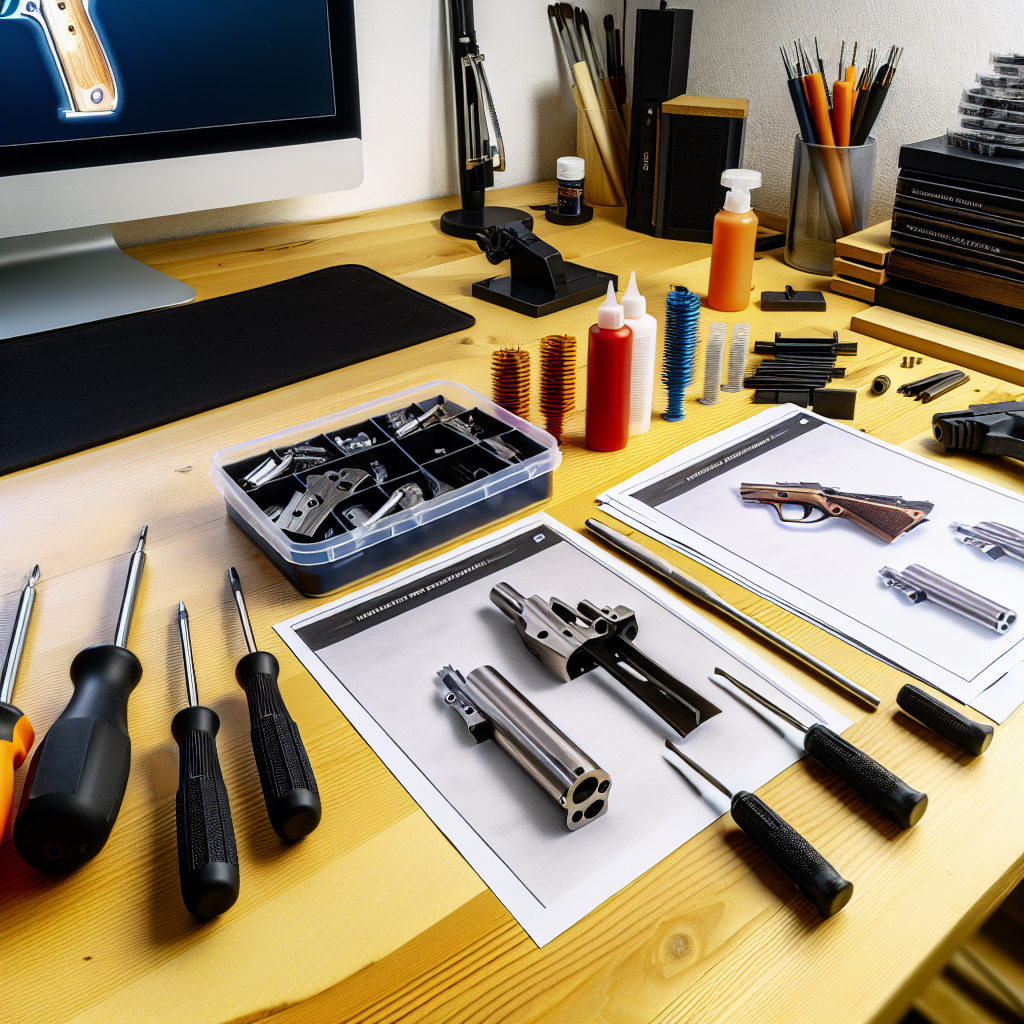
- Gather Necessary Tools: Having the correct tools on hand before starting reduces frustration and prevents damage. Common tools include punches, screwdrivers (preferably gunsmith-specific), torque wrenches, cleaning supplies, and lubricants.
- Create a Clean Work Area: A well-lit, organized space free from distractions minimizes the risk of losing small components or mixing up parts.
According to a survey conducted by the National Shooting Sports Foundation (NSSF) in 2023, 67% of firearm owners who performed custom installations reported that proper preparation significantly reduced installation time and errors.
Safety First: Essential Precautions When Working on Firearms
Handling firearms always requires strict adherence to safety protocols. When installing custom parts, these precautions become even more critical as disassembly and reassembly increase risks if not done correctly.
- Unload and Clear the Firearm: Always ensure your gun is completely unloaded before beginning any work. Check multiple times to confirm no ammunition is present in the chamber or magazine.
- Wear Eye Protection: Springs and small parts can fly unexpectedly during disassembly or assembly. Safety glasses protect your eyes from injury.
- Avoid Distractions: Focus on your task without interruptions to prevent mistakes that could lead to malfunctions later on.
- Use Proper Handling Techniques: Treat every firearm as if it were loaded until verified otherwise. Keep fingers off triggers during maintenance unless testing function under controlled conditions after assembly.
A case study published by Gunsmith Magazine in 2022 highlighted an incident where improper handling during trigger group installation led to accidental discharge due to failure to clear the firearm beforehand—emphasizing that safety protocols cannot be overstated.
Selecting Quality Custom Parts: What You Need to Know
The quality of custom gun parts directly impacts performance and reliability. Investing in well-made components from reputable manufacturers ensures longevity and reduces potential issues post-installation.
- Material Considerations: Look for parts made from durable materials such as stainless steel, aircraft-grade aluminum alloys, or high-strength polymers designed specifically for firearms use.
- Brand Reputation: Established brands like Timney Triggers for precision trigger upgrades or Magpul for ergonomic grips have earned trust through consistent quality control and positive user feedback.
- User Reviews and Forums: Online communities such as AR15.com or Reddit’s r/guns often provide firsthand experiences regarding specific parts’ performance after installation.
- Warranty and Support: Some manufacturers offer lifetime warranties or technical support services which can be invaluable if issues arise during installation or use.
A statistical analysis by Shooting Industry Research Group found that firearms equipped with aftermarket parts from top-tier manufacturers experienced a 40% reduction in malfunctions compared to those using generic components.
Step-by-Step Installation Tips for Common Custom Gun Parts
The installation process varies depending on which part you are upgrading. Below are some practical tips for commonly customized components:
Sights (Iron Sights & Optics)
- Remove Existing Sights Carefully: Use appropriate punches or sight pusher tools to avoid marring your slide or barrel surface.
- Clean Mounting Surfaces: Remove dirt or oil buildup before attaching new sights for secure fitting.
- Tighten Screws Properly: Use thread-locking compound (e.g., Loctite) sparingly on screws but avoid over-tightening which can strip threads or break mounts.
- Sight Adjustment After Installation: Zero your sights at a shooting range following manufacturer recommendations; precision alignment is key for accuracy improvements.
Triggers
- Select Compatible Trigger Groups: Verify fitment with your firearm model; some triggers require minor fitting adjustments while others are drop-in replacements.
Triggers should be installed with care to ensure proper function and safety. Always refer to the manufacturer’s instructions for best practices.
By following these tips, you can enhance your firearm’s performance and ensure a successful installation of custom parts.