How to Install a Quick Detach Sling Mount: A Comprehensive Guide
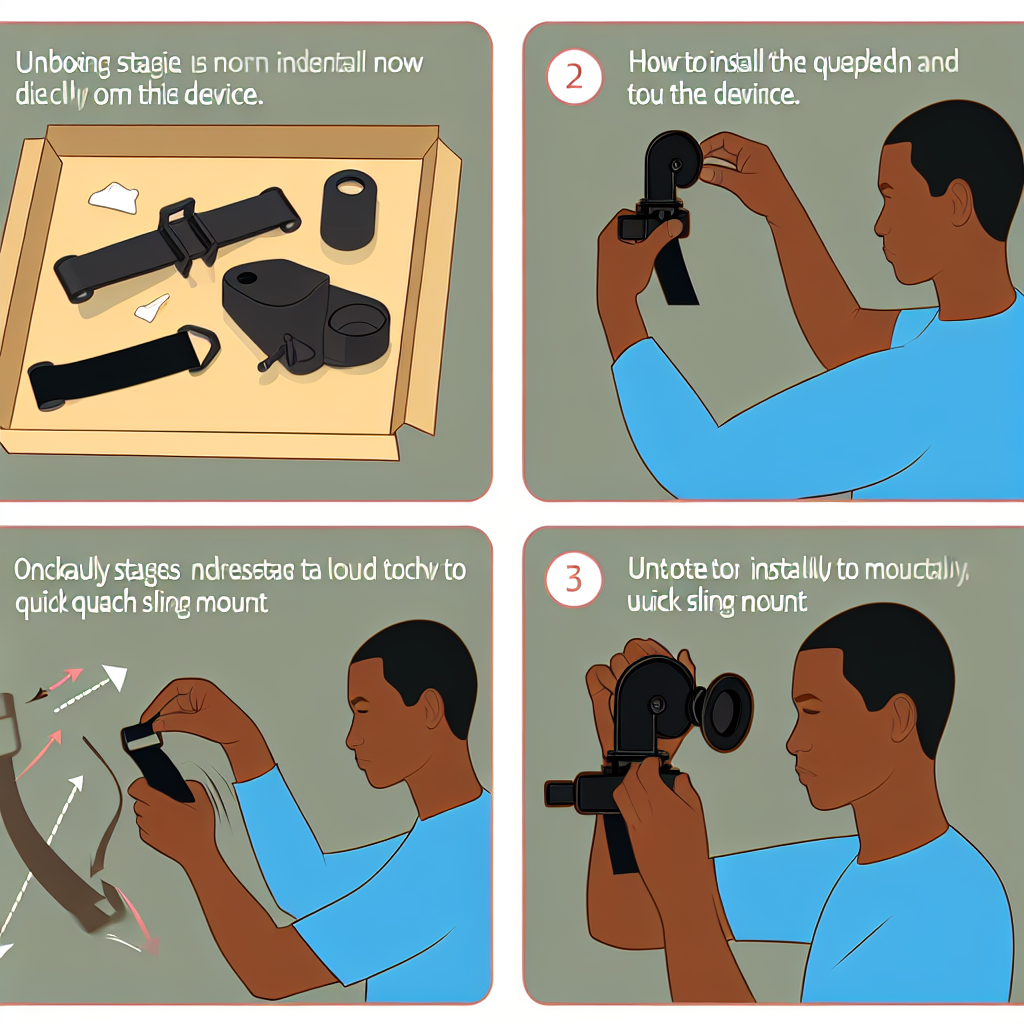
Quick detach (QD) sling mounts have become an essential accessory for firearm enthusiasts, hunters, and tactical operators who value speed, flexibility, and convenience. These mounts allow users to swiftly attach or detach their slings without fumbling with complex mechanisms or tools. Whether you are upgrading your rifle or setting up a new sling system, understanding how to properly install a QD sling mount is crucial for safety and functionality.
This article provides a detailed, step-by-step guide on how to install a quick detach sling mount on your firearm. We’ll cover the types of mounts available, the necessary tools, installation methods, and tips for maintaining your setup. Along the way, we will include real-world examples and statistics that highlight why QD sling mounts have become a standard in modern firearms.
Understanding Quick Detach Sling Mounts: Types and Benefits
Before diving into the installation process, it’s important to understand what quick detach sling mounts are and why they are preferred over traditional sling attachments.
A quick detach sling mount is a specialized hardware component that allows users to connect or disconnect their rifle slings rapidly through a locking mechanism. The primary feature is the push-button or lever release that frees the sling from the mount instantly.
- Types of QD Sling Mounts:
- QD End Plate Mounts: Replace the existing end plate on AR-style rifles for an integrated QD socket.
- QD Flush Cup Sockets: Installed directly onto handguards or receivers as recessed sockets for QD swivels.
- QD Rail Adapters: Attach to Picatinny rails for mounting QD sockets without permanent modification.
- QD Sling Swivels: The actual detachable component that clips into the mount.
- Benefits of Using QD Sling Mounts:
- Speed and Efficiency: Allows rapid attachment/detachment in high-stress situations.
- Versatility: Enables switching between different slings or carrying methods quickly.
- Reduced Wear: Minimizes friction on the sling material by allowing free rotation of swivels.
- Tactical Advantage: Critical in law enforcement and military operations where weapon retention is vital.
A study conducted by the National Tactical Officers Association found that officers equipped with QD sling systems reported a 30% improvement in weapon retention speed compared to traditional fixed sling mounts. This statistic underscores the practical value of investing time in installing these mounts correctly.
Tools and Materials Needed for Installation
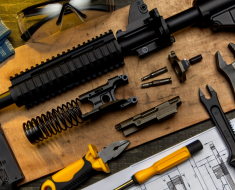
The installation of a quick detach sling mount can be straightforward if you have the right tools and materials ready beforehand. The exact tools required may vary depending on the type of mount and firearm model but generally include common gunsmithing essentials.
- Screwdrivers or Allen Wrenches: For securing screws; check if your mount uses hex screws or flat-head screws.
- Punch Set: Useful for removing existing pins or end plates.
- Bore Guide or Cleaning Rod: To stabilize parts during disassembly if needed.
- Torque Wrench (Optional): Ensures proper screw tightness without overtightening which could damage components.
- Thread Locker (Blue Loctite): Prevents screws from loosening due to recoil vibrations.
- The QD Sling Mount Kit: Includes mounts, screws, springs (if applicable), and any proprietary parts specific to your model.
If you are unsure about any part of this process, many manufacturers provide detailed instructions tailored to their products. Additionally, online forums such as AR15.com and YouTube channels dedicated to firearms maintenance offer visual guides that complement this article’s textual instructions.
Step-by-Step Guide: Installing a Quick Detach Sling Mount
The following steps outline a generic approach to installing common types of QD sling mounts. Always refer to your specific product’s manual for unique requirements or variations in design.
Step 1: Choose Your Mount Location
Selecting the right location for your QD mount depends on your firearm type and intended use. Common locations include:
- The rear of the receiver via an end plate (popular with AR-15 rifles).
- The sides or bottom of handguards equipped with M-LOK or KeyMod slots using appropriate adapters.
- A Picatinny rail section using rail-mounted sockets or adapters.
The position affects how your rifle balances when slung and how easily you can access it when needed. Tactical shooters often prefer rear placement for better control during transitions between shoulders; hunters might prefer side mounts for ease during stalking scenarios.
Step 2: Remove Existing Components (If Applicable)
If you’re replacing an existing sling attachment point such as an end plate on an AR-style rifle:
-
<liEnsure firearm is unloaded before beginning any work; safety first!