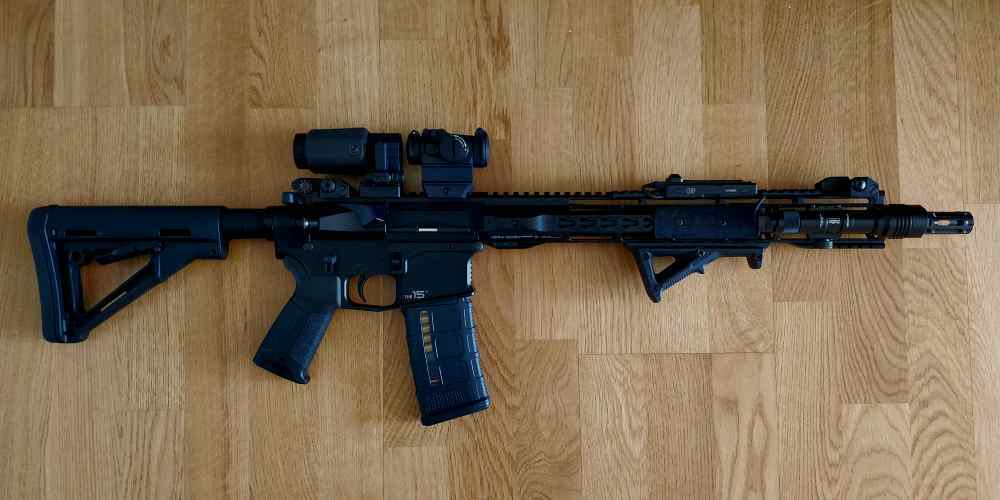
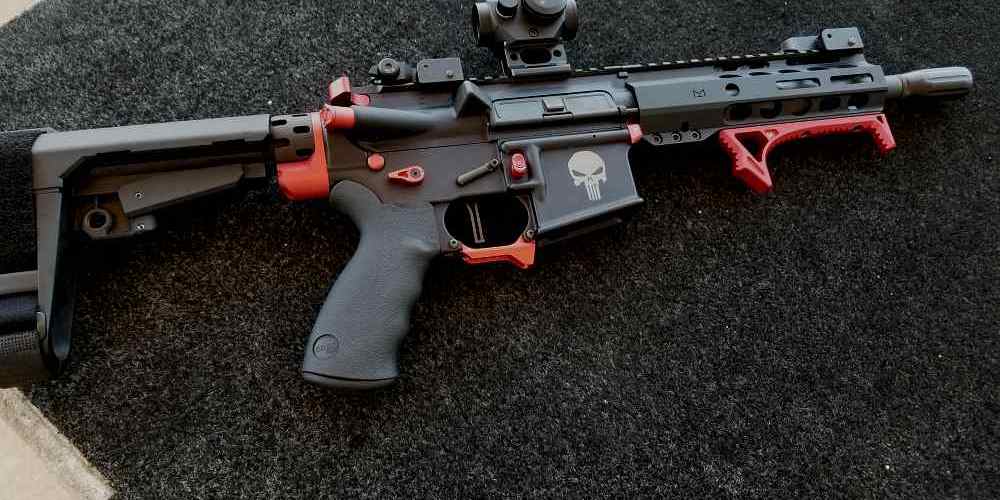
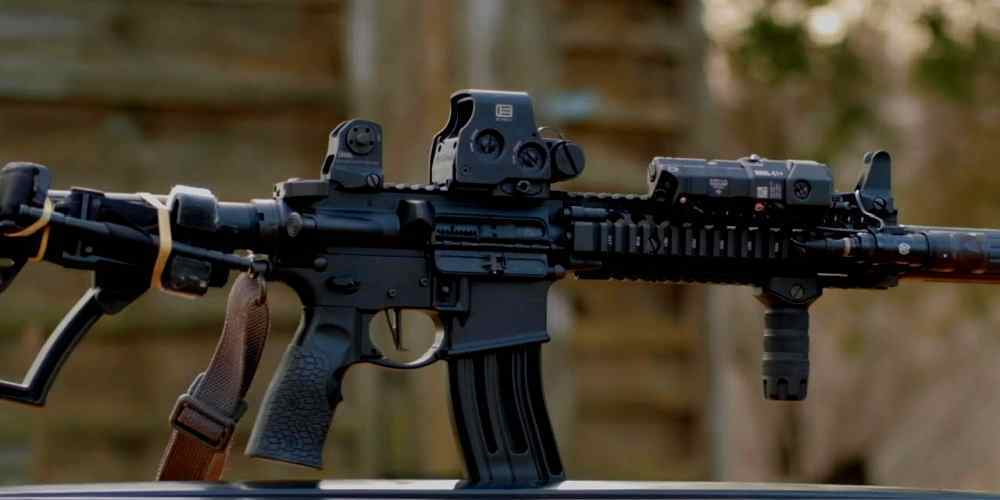
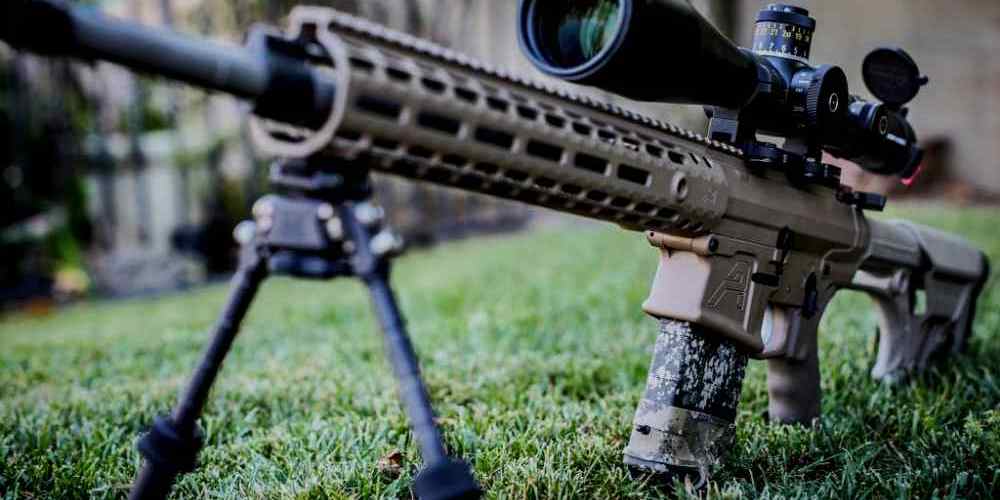
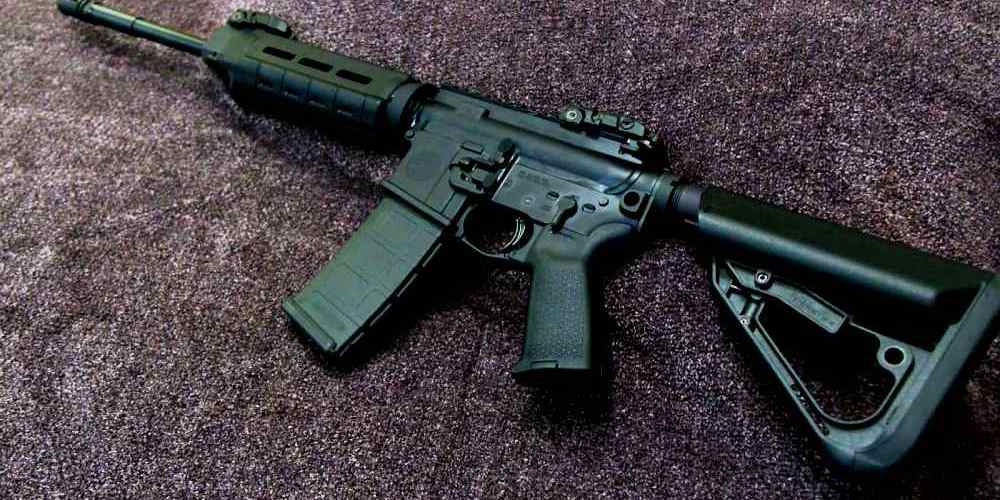
A properly adjusted AR-15 buttstock can make a bigger difference than many shooters expect. When the length of pull and shoulder placement are set correctly, the rifle settles naturally into the body, helping improve comfort, sight alignment, recoil management, and overall control. For hunters, home-defense users, and range shooters alike, that kind of fit is not just a convenience—it is a practical advantage that supports safe, confident handling.
The AR-15 platform was designed around modularity, and the stock is one of the most important parts of that system. Because shooters vary in arm length, body size, gear setup, and shooting stance, there is no single “perfect” fixed position for everyone. That is why learning how to adjust the buttstock properly matters: it allows the rifle to work with the shooter instead of against them, making shouldering feel more natural and repeatable.

Why Buttstock Adjustment Matters for AR-15 Fit
A good stock adjustment starts with understanding how the rifle interfaces with your body. The AR-15’s collapsible stock is not just about compact storage or transport; it also helps set the rifle’s length of pull, which affects how easily you can mount the gun, reach the controls, and maintain a stable firing position. If the stock is too long, the rifle can feel awkward and slow to mount. If it is too short, you may crowd the rifle and lose consistency in your cheek weld and trigger control.
This is especially important on a platform like the AR-15, which is often used by a wide range of people and in many different roles. A hunter wearing heavy clothing may need a different setting than a home-defense user in lighter gear. Likewise, shooters using body armor, a thick jacket, or different optic heights may find that a small adjustment in stock position dramatically improves alignment and comfort. The point is not to chase a perfect number, but to find a fit that supports safe and efficient shooting.
There is also a historical side to this. Early military rifles often had fixed stocks designed around an average soldier and a specific doctrine. Modern sporting rifles evolved to give the shooter more adaptability, and the AR-15 became one of the best examples of that shift. Today’s adjustable buttstocks reflect that philosophy: the rifle is meant to be tuned to the user. When done correctly, that adjustment improves consistency and helps the shooter build better habits over time.
Dialing In Shoulder Contact for Better Control
The key to perfect shouldering is not forcing the stock into your shoulder pocket; it is letting the rifle settle into a repeatable position. Most shooters do well when the buttstock rests firmly in the pocket formed between the upper chest and the front of the shoulder, with enough contact to control recoil but not so much pressure that the shooter becomes tense. That balance helps the rifle track naturally and keeps the sight picture more stable from shot to shot.
To fine-tune shoulder contact, start with a safe unloaded rifle and a proper stance. Bring the rifle up to your face first, then move it back into the shoulder, rather than reaching forward with the head. This sequence tends to create a more natural cheek weld and avoids overextending the neck or arms. As you adjust the stock position, pay attention to whether the trigger finger falls naturally on the trigger face and whether your support hand can work the rifle without strain. Small changes in stock length can make a noticeable difference.
It is also worth considering how accessories affect shoulder feel. A sling, optic, magnifier, or rear bag can all influence where the rifle sits and how the stock contacts the body. Some shooters prefer a more squared-up stance with a slightly shorter length of pull, while others shooting from a traditional position may want a bit more extension. Whatever your setup, test it deliberately and in a safe environment. The best adjustment is the one that gives you consistent control, reliable cheek weld, and a comfortable mount without compromising safety.
This buttstock adjustment makes AR-15 shouldering feel perfect because it turns a good rifle into a better fit for the individual shooter. When the stock is set correctly, the rifle mounts faster, the cheek weld becomes more consistent, and the gun feels easier to manage under recoil and during follow-up shots. Those benefits matter whether you are zeroing a new optic, practicing at the range, or preparing a rifle for responsible defensive use.

As with any firearm setup, the goal should always be safe, legal, and well-practiced handling. Take the time to experiment with adjustments on an unloaded rifle, confirm that the stock position works with your normal clothing and gear, and revisit the setting as your needs change. A thoughtful stock adjustment is a simple step, but it can have a major effect on how confidently and responsibly you run your AR-15.