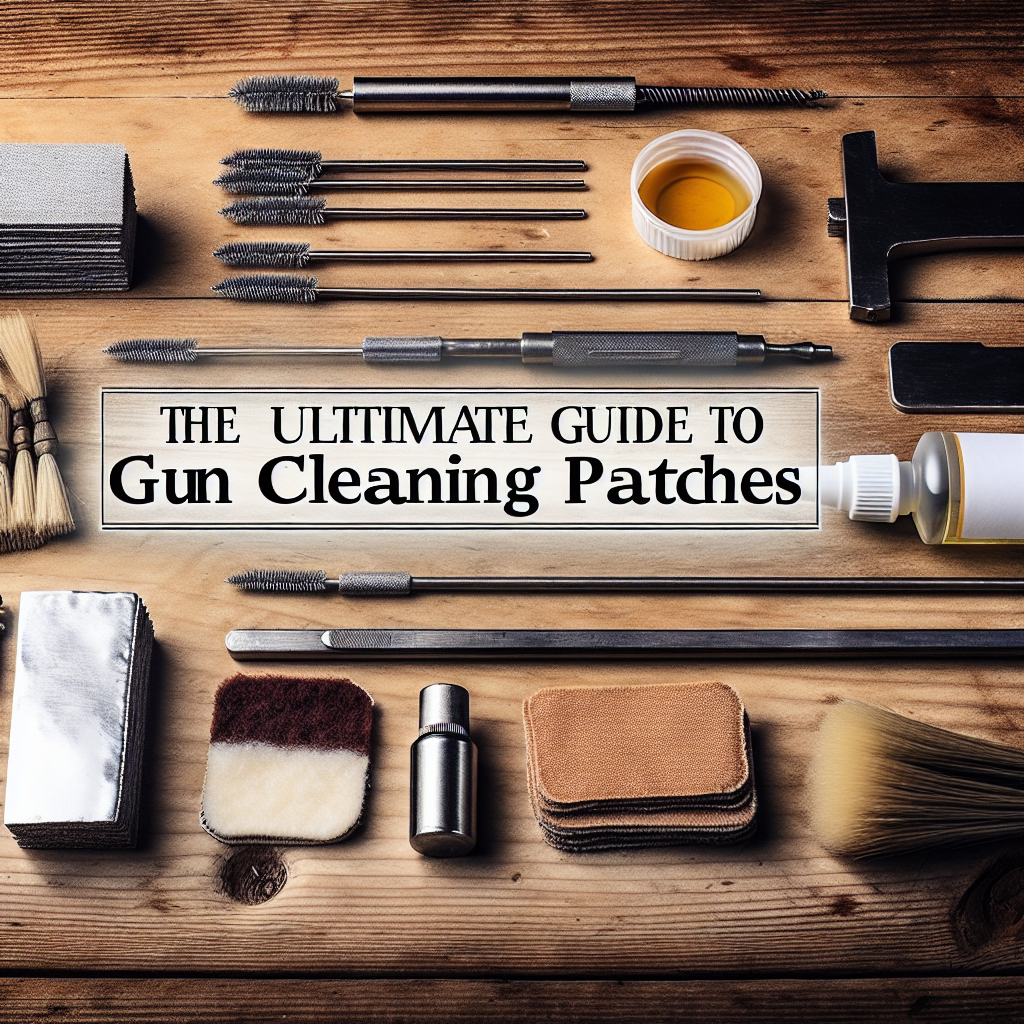
The Ultimate Guide to Gun Cleaning Patches
Maintaining a firearm is essential for ensuring its longevity, reliability, and safety. One of the most critical components of gun maintenance is the use of cleaning patches. These small, seemingly simple pieces of fabric play a pivotal role in the cleaning process, helping to remove fouling, dirt, and residue from the barrel and other parts of the firearm. In this comprehensive guide, we will explore everything you need to know about gun cleaning patches—from their types and materials to best practices and expert tips.
Understanding Gun Cleaning Patches: What Are They and Why Do They Matter?
Gun cleaning patches are small squares or rectangles of absorbent material designed to be used with a cleaning rod and solvent to clean the bore of a firearm. Although they may look trivial, their function is vital in maintaining a firearm’s accuracy and function.
When a gun is fired, residue from burnt powder, lead or copper fouling from bullets, and other contaminants build up inside the barrel. If left uncleaned, these residues can cause corrosion, reduce accuracy, and potentially damage the firearm. Cleaning patches help lift and remove these contaminants during routine maintenance.
Using the right patch can make all the difference in how effectively your firearm is cleaned. For instance, an ill-fitting patch can get stuck in the barrel or fail to remove fouling efficiently. Therefore, understanding what type of patch suits your firearm is key.
Types of Gun Cleaning Patches: Materials and Their Pros & Cons
Not all gun cleaning patches are created equal. The material composition can significantly affect their performance during cleaning. Below are some common types of patches:
- Cotton Patches: The most widely used type due to their high absorbency and softness. Cotton patches are excellent at holding solvents and capturing debris without scratching the bore. However, cheap cotton patches may shed fibers inside the barrel.
- Flannel Patches: Made from cotton flannel fabric, these patches are softer than regular cotton and provide gentle cleaning action—ideal for delicate finishes or precision firearms like target rifles.
- Synthetic Patches: Composed of materials like polyester or microfiber blends. These tend to be more durable and lint-free but may not hold solvents as well as natural fibers.
- Linen Patches: Historically popular in Europe, linen patches are very durable but less absorbent than cotton. They’re often preferred for applications requiring minimal fiber shedding.
A study by Ballistic Research Laboratories found that high-quality cotton patches removed up to 20% more fouling per pass compared to synthetic alternatives under controlled testing conditions.
Selecting the Right Patch Size for Your Firearm
Choosing the correct size patch is crucial for effective cleaning. Patches that are too small won’t make sufficient contact with the bore surface, while oversized patches can bunch up or get stuck inside the barrel.
Here’s a general guideline for selecting patch sizes based on caliber:
- .17 to .22 caliber: Use ¾ inch square patches
- .223/5.56 caliber: Use 1-inch square patches
- .308/7.62 caliber: Use 1¼-inch square patches
- .45 caliber and above: Use 1½-inch square or larger
If you’re unsure about which size fits your firearm best, many manufacturers provide patch size charts specific to popular calibers. It’s also advisable to test a few different sizes; the ideal patch should fit snugly but still slide smoothly through the bore.
How to Use Gun Cleaning Patches Effectively: Step-by-Step Process
The effectiveness of gun cleaning patches depends not only on their type but also on how they’re used. Follow these steps for optimal results:
- Prepare Your Workspace: Work in a well-ventilated area with appropriate lighting and have all your tools ready—cleaning rod, solvent, oil, brushes, and patches.
- Select the Patch Size: Choose a patch that matches your bore size as described earlier.
- Attach Patch to Jag or Loop: Attach a clean patch securely onto a jag or loop at the end of your cleaning rod.
- Apply Solvent: Saturate the patch with an appropriate gun solvent designed to dissolve powder residue and fouling.
- Punch Through Barrel Bore: Push or pull (depending on rifle or pistol) the patch through the barrel from chamber end if possible—to avoid damaging crown edges—until it emerges clean on the other side.
- Add More Patches As Needed: Replace dirty patches with fresh ones soaked in solvent until no visible fouling remains on new patches.
- Dry Patch Passes: Run dry patches through bore to remove residual solvent before applying lubricant or oil.
- Lubricate Bore (Optional): Apply an oiled patch if storing firearm long-term or as recommended by manufacturer guidelines.
A case study involving competitive shooters showed that those who regularly used fresh cotton flannel patches experienced improved accuracy and reduced fouling compared to those who did not. Proper maintenance with the right materials can significantly enhance your shooting performance.