How to Properly Clean Gun Sights and Optics
Maintaining the clarity and functionality of gun sights and optics is essential for both casual shooters and professional marksmen. Whether you’re a hunter preparing for a season, a competitive shooter aiming for precision, or a law enforcement officer relying on your equipment daily, clean sights and optics can significantly impact your accuracy and safety. This article delves into the best practices for cleaning gun sights and optics, exploring tools, techniques, common pitfalls, and real-world examples to ensure your gear performs at its best.
Understanding the Importance of Cleaning Gun Sights and Optics
Gun sights and optics are precision instruments designed to enhance aiming accuracy. Over time, environmental factors such as dust, dirt, moisture, oils from skin contact, and even gunpowder residue can accumulate on lenses and sight surfaces. This buildup can degrade image clarity, distort reticles, or cause glare—ultimately compromising shot accuracy.
According to a study conducted by the National Shooting Sports Foundation (NSSF), over 65% of shooting errors in competitive environments were linked directly or indirectly to sighting issues caused by dirty or poorly maintained optics. This statistic underscores how critical proper cleaning is—not just for performance but also for safety.
- Improved Accuracy: Clean lenses allow for crisp reticle visibility and clear target acquisition.
- Longevity of Equipment: Regular maintenance prevents corrosion and wear caused by contaminants.
- Cost Savings: Proper care reduces the need for costly repairs or replacements.
- User Confidence: Knowing your sights are clean boosts confidence during critical moments.
Essential Tools and Materials for Cleaning
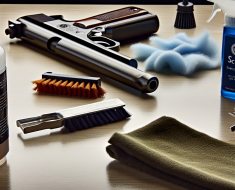
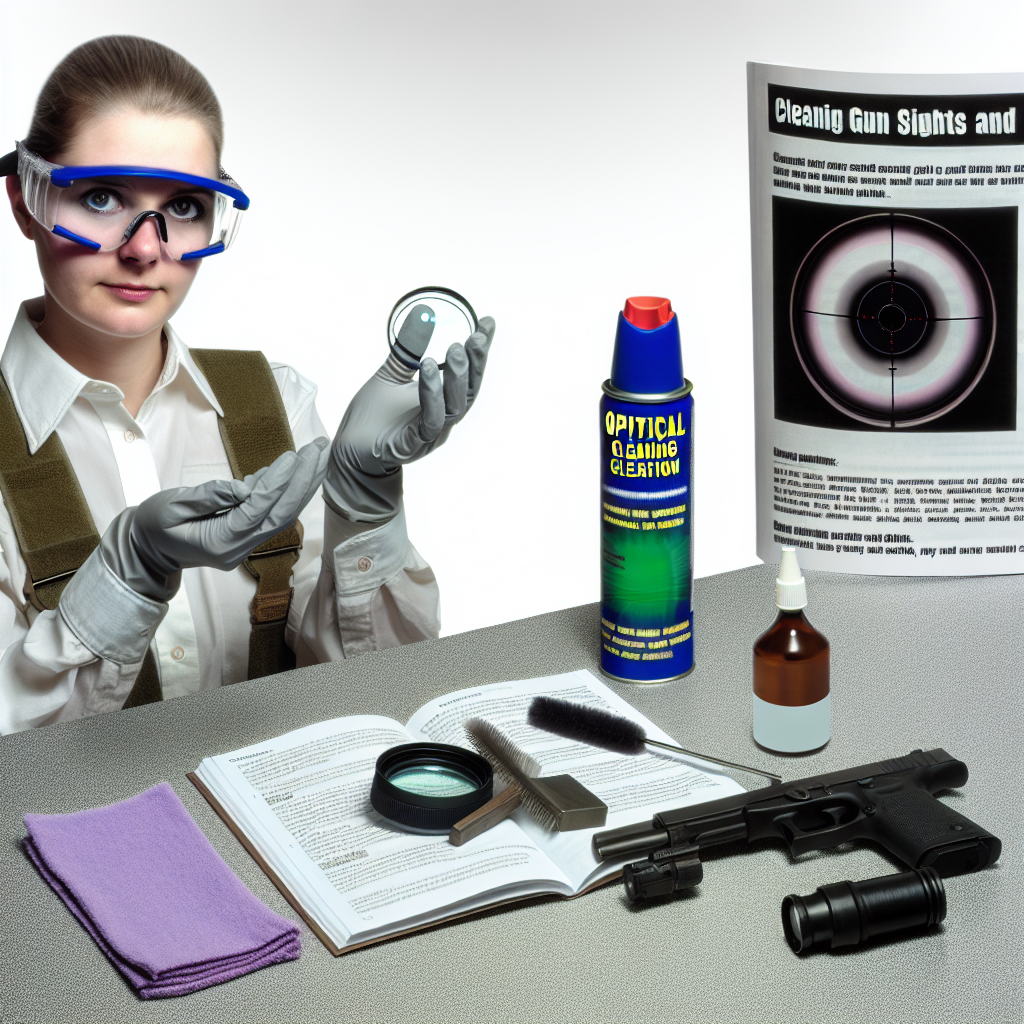
The first step in cleaning gun sights and optics is assembling the right toolkit. Using improper materials can scratch delicate lenses or damage coatings designed to improve performance. Below is a list of recommended tools:
- Lens Cleaning Solution: Use solutions specifically formulated for optical lenses. Avoid household cleaners that contain ammonia or alcohol.
- Microfiber Cloths: These soft cloths minimize scratching and effectively remove oils and dust.
- Lens Brushes: A small brush with soft bristles helps dislodge stubborn particles without scratching.
- Canned Air or Air Blower Bulb: Useful for blowing away loose dust before wiping.
- Cotton Swabs/Q-tips: For reaching tight corners around sights.
- Isopropyl Alcohol (Optional): For stubborn grease or residue but should be used sparingly.
Avoid using paper towels, clothing fibers, or rough fabrics that may introduce scratches. Additionally, refrain from using compressed air cans that expel propellants which could damage coatings if not used carefully.
The Step-by-Step Process to Clean Gun Sights
The process varies slightly depending on whether you are cleaning iron sights, red dot sights, holographic sights, or magnified optics like scopes. However, the general procedure remains consistent to protect sensitive surfaces while achieving cleanliness.
Step 1: Initial Inspection
Before cleaning, inspect your sight under good lighting to identify dirt spots, smudges, or scratches. Understanding what contaminants you’re dealing with helps tailor your cleaning approach.
Step 2: Remove Loose Debris
Use a lens brush or canned air to gently remove loose dust particles. This prevents rubbing abrasive materials into the lens during wiping.
Step 3: Apply Lens Cleaner
Dampen a microfiber cloth with an optical lens cleaner—never apply liquids directly onto the optic surface to avoid seepage into internal components. For heavily soiled areas, allow the cleaner to soften grime for a few seconds before wiping.
Step 4: Gentle Wiping Technique
Using light pressure in circular motions starting from the center outwards helps lift dirt without pushing it around. Avoid scrubbing motions which may cause scratches on coated lenses.
Step 5: Drying & Final Inspection
If needed, use a dry microfiber cloth to buff away any streaks or remaining moisture. Reinspect the sight to ensure all contaminants are removed without damage.
Tackling Common Challenges When Cleaning Optics
Certain conditions present unique challenges when cleaning gun sights and optics:
- Dried Mud or Sap: Soak with lens cleaner longer before attempting removal; avoid scraping with sharp objects as this causes irreversible damage.
- Sweat & Fingerprints: Frequent handling deposits oils that require regular cleaning using alcohol-based wipes safe for optics coatings.
- Mold & Mildew: In humid environments mold can form inside scopes if moisture penetrates seals; professional servicing might be necessary if internal fogging occurs despite external cleaning efforts.
- Tough Residue from Gunpowder: Use isopropyl alcohol sparingly along with microfiber cloths; avoid harsh solvents that strip anti-reflective coatings.
A real-world case study involving law enforcement officers in Florida demonstrated that routine optic maintenance reduced equipment downtime by over 40%, emphasizing how proactive care mitigates potential issues before they escalate.
Regular maintenance of your gun sights and optics not only enhances performance but also extends their lifespan, ensuring reliable use when it matters most.