The Role of Nutrition and Hydration in Competition Performance
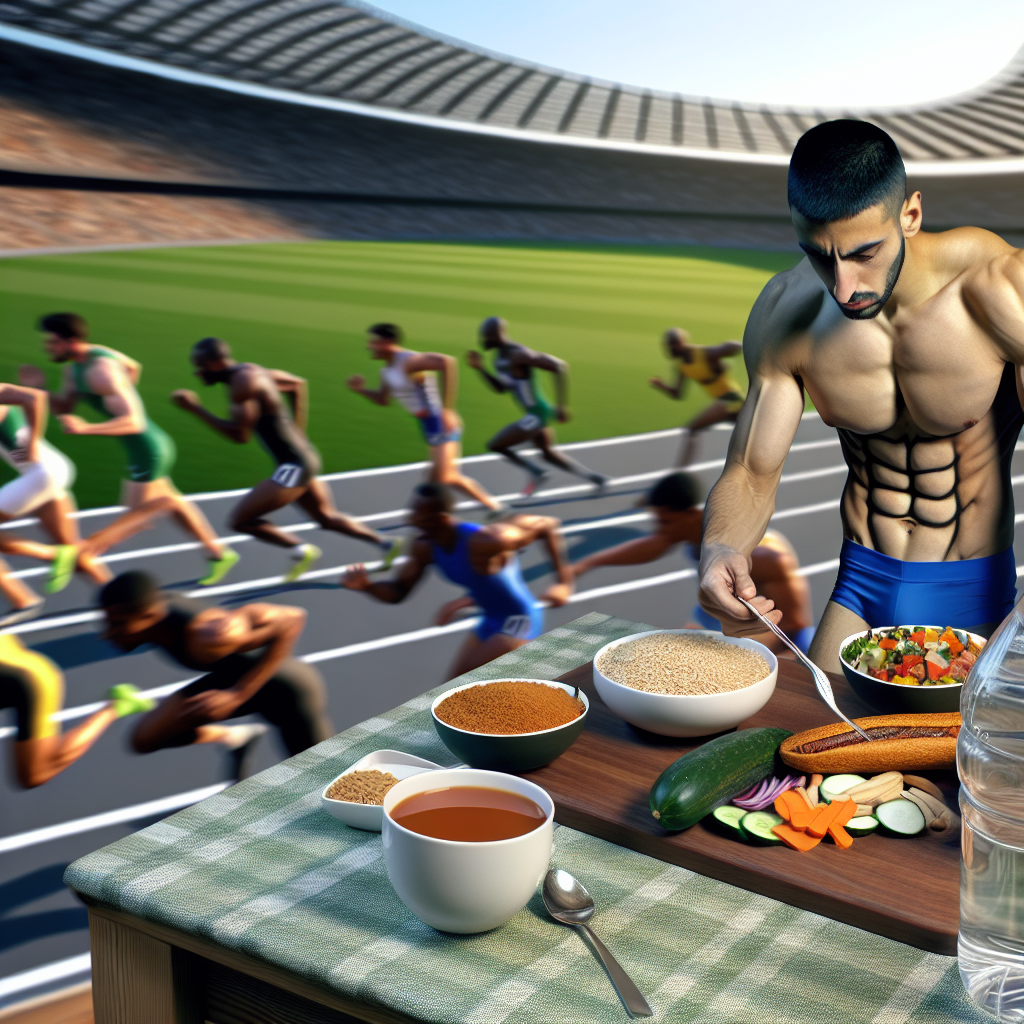
In the realm of competitive sports, physical conditioning, technique, and mental toughness are often emphasized as the cornerstones of success. However, an equally critical but sometimes overlooked component is nutrition and hydration. The way athletes fuel and hydrate their bodies before, during, and after competition can profoundly impact their performance, recovery, and overall health. This article explores the multifaceted role nutrition and hydration play in competition performance, supported by scientific research, case studies, and practical examples.
The Science Behind Nutrition and Athletic Performance
Nutrition provides the essential nutrients that power the body’s muscles and brain. During competition, an athlete’s energy demands surge dramatically. Macronutrients—carbohydrates, proteins, and fats—serve distinct roles in meeting these demands:
- Carbohydrates: Primary source of energy during high-intensity activities. Stored as glycogen in muscles and liver, they are quickly mobilized to sustain performance.
- Proteins: Crucial for muscle repair and recovery post-exercise. While not a primary energy source during activity, protein supports muscle synthesis.
- Fats: Provide long-lasting energy during lower-intensity or endurance activities when carbohydrate stores deplete.
Micronutrients such as vitamins and minerals also play vital roles in energy metabolism, oxygen transport (e.g., iron), antioxidant defense (e.g., vitamins C and E), and electrolyte balance (e.g., sodium, potassium). A deficiency in these can impair performance or increase injury risk.
Hydration complements nutrition by maintaining fluid balance essential for thermoregulation, cardiovascular function, and muscle contraction. Even mild dehydration (1-2% body weight loss) can reduce endurance capacity by up to 10%, impair cognitive function, and increase perceived effort.
Pre-Competition Nutrition: Setting the Stage for Success
Optimal performance begins long before the starting whistle blows. Pre-competition nutrition focuses on maximizing glycogen stores, ensuring adequate hydration levels, and minimizing gastrointestinal discomfort.
Key Strategies Include:
- Carbohydrate Loading: Particularly important for endurance athletes such as marathon runners or cyclists. Research shows that increasing carbohydrate intake to 8-12 grams per kilogram of body weight per day for 36-48 hours before prolonged events can significantly enhance glycogen stores.
- Adequate Hydration: Starting well-hydrated is critical. Athletes should consume approximately 5-7 ml/kg of fluid at least four hours before competition. Monitoring urine color is a practical method to assess hydration status; pale yellow indicates good hydration.
- Avoiding High-Fiber or High-Fat Meals Immediately Before Competition: These can cause gastrointestinal distress or delayed gastric emptying.
- Timing Meals Appropriately: Eating a balanced meal 3-4 hours before competition allows digestion while consuming a small carbohydrate-rich snack about 30-60 minutes prior can help maintain blood glucose levels.
Case Study: A study conducted with elite cyclists demonstrated that those who adhered to a carbohydrate-loading protocol experienced a 2-3% improvement in time trial performance compared to those who did not adjust their diet before competition (Jeukendrup & Killer, 2010).
Nutrition During Competition: Sustaining Energy and Focus
The demands on an athlete’s body during competition are intense and continuous. Maintaining energy availability while preventing dehydration is paramount for sustaining peak performance throughout the event.
Nutritional Considerations During Competition Include:
- Carbohydrate Intake: For events lasting longer than 60 minutes, consuming carbohydrates during activity (30-60 grams per hour) helps maintain blood glucose levels. Sources include sports drinks, gels, bars, or easily digestible foods like bananas.
- Avoiding Excessive Protein or Fat Intake: These macronutrients slow digestion which may cause discomfort mid-event.
- Easily Absorbable Fluids: Electrolyte-containing beverages help replenish sodium lost through sweat while providing carbohydrates for energy.
- Caffeine Use: Moderate caffeine intake (3-6 mg/kg) has been shown to improve endurance performance by reducing perceived exertion but should be tested during training to avoid adverse effects like jitteriness or gastrointestinal upset.
Example: During the Tour de France—a grueling multi-stage cycling race—athletes consume up to 90 grams of carbohydrates per hour via specially formulated drinks and gels to maintain glycogen stores over several hours of intense activity daily (Burke et al., 2011).
The Crucial Role of Hydration in Competitive Settings
The human body consists of approximately 60% water; maintaining this fluid balance becomes increasingly challenging during high-intensity exercise due to sweat losses which can exceed two liters per hour depending on environmental conditions.
The Effects of Dehydration on Performance Include:
- Diminished Endurance Capacity: Even mild dehydration reduces plasma volume leading to decreased cardiac output and impaired thermoregulation.
- Cognitive Impairment: Dehydration affects concentration, reaction time, decision-making
Cognitive Impairment: Dehydration affects concentration, reaction time, decision-making abilities, ultimately hindering overall performance. Ensuring proper nutrition and hydration is essential for athletes to optimize their competitive edge.