How to Handle Malfunctions Quickly in Matches
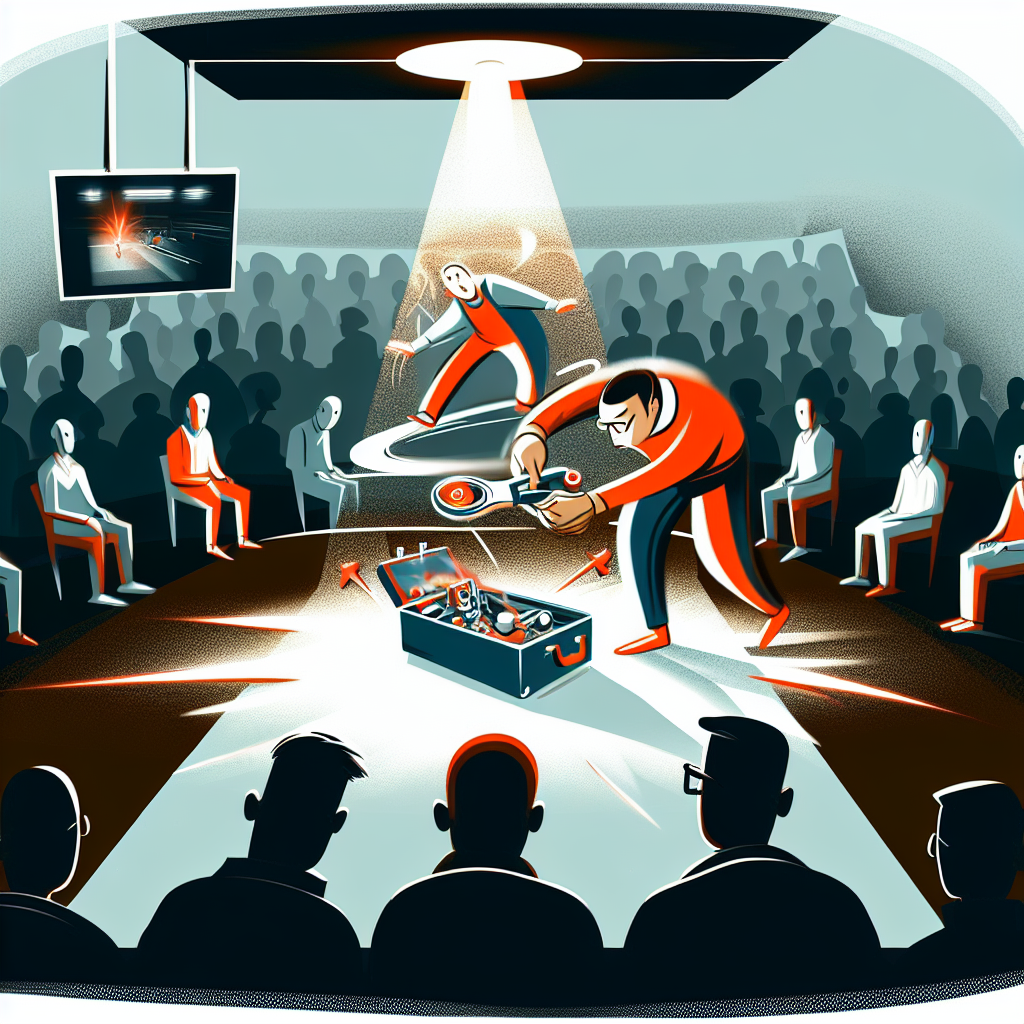
In the fast-paced world of competitive sports and esports, every second counts. Whether you’re a professional athlete, an esports gamer, or a referee, encountering equipment or system malfunctions during a match can be a stressful and game-changing experience. Handling these malfunctions swiftly and efficiently is crucial not only to maintain fairness but also to preserve the flow of the competition and protect the mental focus of all participants.
This article explores effective strategies for managing malfunctions quickly during matches. Drawing on examples from various disciplines — including traditional sports, esports, and competitive gaming — we will delve into preparation techniques, communication protocols, troubleshooting steps, and psychological resilience tips that can help players, referees, and support staff handle unexpected disruptions with confidence.
Understanding Common Types of Malfunctions in Matches
Before discussing how to handle malfunctions effectively, it’s essential to understand the types of issues that can arise during matches. These vary significantly depending on the sport or competition format but often fall into several broad categories:
- Equipment Failure: This includes broken rackets in tennis, malfunctioning helmets in motorsports, or defective peripherals like keyboards and mice in esports.
- Technical/System Errors: Particularly prevalent in esports and video game competitions — server crashes, lag spikes, software bugs, or hardware failures.
- Environmental Issues: Power outages in indoor arenas, poor lighting conditions affecting visibility, or weather interruptions in outdoor sports.
- Human Error: Errors by officials such as wrong timekeeping or scoring mistakes can also be considered malfunctions affecting match flow.
A clear grasp of these categories helps teams anticipate potential problems and tailor their response plans accordingly.
Preparation: The First Line of Defense Against Match Malfunctions
The best way to handle malfunctions quickly is to prepare for them beforehand. Preparation reduces panic and increases the speed at which issues can be diagnosed and resolved. Here are key preparation strategies used by top teams and organizations worldwide:
- Routine Equipment Checks: Professional teams often conduct thorough inspections before matches. For example, tennis players check strings tension on rackets while esports athletes test peripherals and network connections.
- Backup Equipment Ready: Having spare gear ready can save critical time. The NFL mandates backup helmets for players due to safety concerns. Similarly, esports teams keep backup keyboards or controllers on hand.
- Technical Staff On-Site: Technical experts should be present during matches to troubleshoot hardware/software issues rapidly. In FIFA World Cup broadcasts, dedicated IT teams monitor feeds continuously.
- Clear Protocols Documented: Establishing standardized procedures for common malfunctions ensures everyone knows their role during disruptions. For instance, chess tournaments have detailed rules about clock failures and piece replacements.
- Training Drills for Malfunction Scenarios: Simulating possible failures during practice helps players remain calm under pressure. Esports teams frequently run “disconnection drills” to practice rapid reconnection strategies.
A study by the Journal of Sports Sciences (2022) showed that teams with formal malfunction protocols reduce downtime by an average of 40% compared to those without such systems.
The Role of Communication: Staying Calm and Coordinated
During a malfunction, clear communication is paramount. Misinformation or silence can escalate confusion and prolong delays. Effective communication involves multiple layers:
- Between Players/Teams: Players should communicate any issues immediately so teammates or coaches can assist or adapt tactics if necessary.
- With Officials/Referees: Officials need accurate information about the nature of the malfunction to make informed decisions about pauses or restarts.
- Among Technical Support Staff: Quick collaboration between technicians enables faster diagnosis—whether it’s identifying a faulty cable or rebooting servers.
- Broadcaster Communication (if applicable): In televised matches, communicating delays transparently helps manage audience expectations and maintain engagement.
An example illustrating this is from the Overwatch League Season 3 Finals (2019), where a server crash caused a brief pause. The production team immediately communicated updates through social media channels while technical staff worked behind the scenes to restore connectivity within minutes — minimizing viewer frustration and player downtime.
Troubleshooting Steps: Diagnosing and Fixing Problems Efficiently
The ability to rapidly diagnose what has gone wrong is critical in resolving malfunctions without unnecessary delays. Here’s a streamlined approach applicable across various match types:
- Identify the Symptom Quickly: Is it hardware failure? Software glitch? Environmental problem? Narrowing down the category directs subsequent steps.
- Create a Checklist of Common Fixes: For example:
- If equipment breaks: switch to backup gear immediately.
- If network lag appears: reset routers or switch servers if possible.
- If power fails: trigger emergency power supplies if available.
- Assign Roles During Troubleshooting: One person handles communication; others work on repairs or replacements simultaneously to save time.
-
Avoid unnecessary attempts to fix issues that are beyond immediate control; instead, focus on implementing backup plans and communicating effectively with all parties involved.
By following these strategies, you can ensure that malfunctions are handled swiftly, keeping the match experience smooth for everyone.