How to Train Your Non-Dominant Hand for Competition
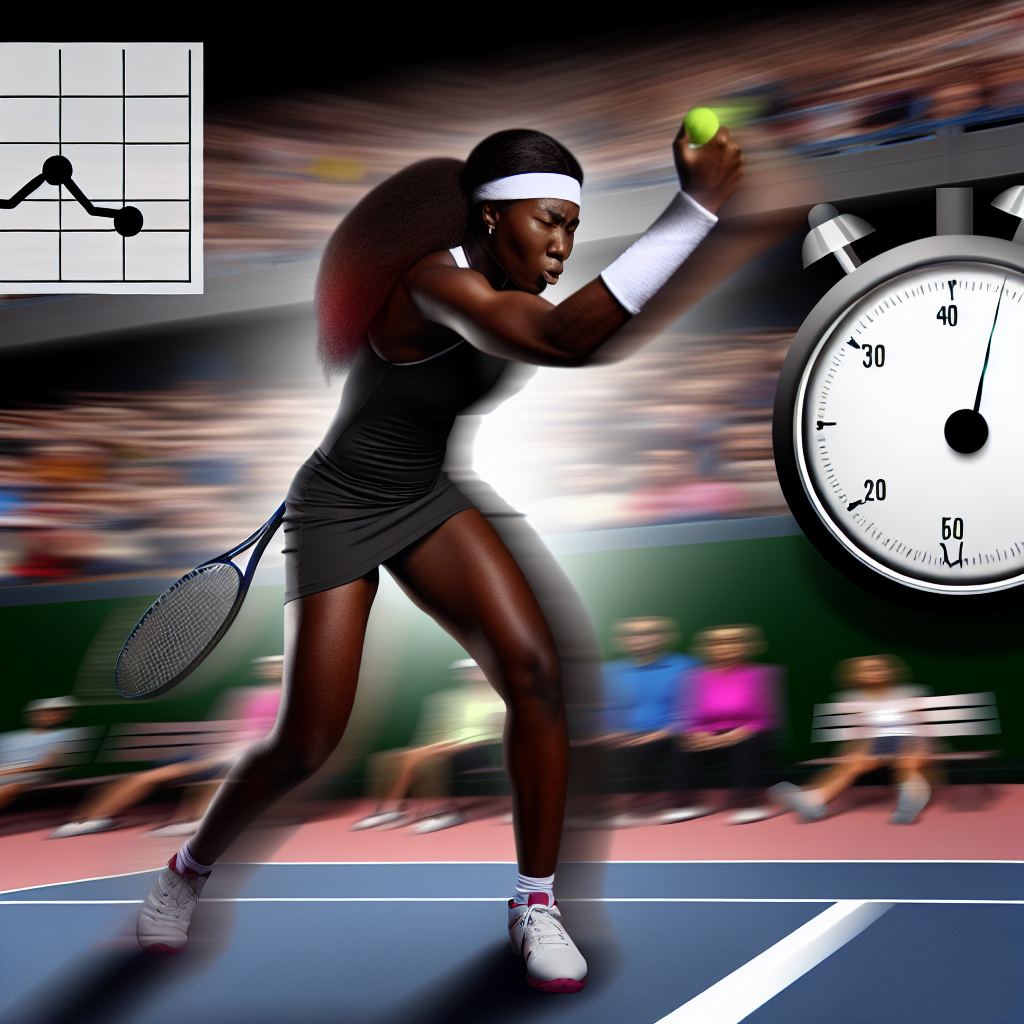
In many competitive sports and activities, having a well-trained dominant hand is often considered essential. However, training your non-dominant hand can provide a significant edge over competitors, improve overall coordination, and even reduce the risk of injury by balancing muscle development. Whether you’re an athlete, musician, gamer, or artist, cultivating ambidexterity can elevate your performance to new heights.
This article explores practical methods to train your non-dominant hand effectively for competition. Drawing from scientific studies, expert advice, and real-world examples, we will guide you through the process of developing skill, strength, and precision with your non-dominant hand.
Understanding the Benefits of Training Your Non-Dominant Hand
Before diving into training techniques, it’s important to understand why training your non-dominant hand matters and what benefits it offers.
- Improved Coordination and Brain Plasticity: Research shows that engaging the non-dominant hand activates different neural pathways in the brain. A study published in Frontiers in Human Neuroscience (2016) found that ambidextrous training enhances brain plasticity and improves bilateral coordination.
- Enhanced Performance: In sports like basketball, tennis, boxing, or even esports, being able to use both hands effectively allows you to adapt quickly during competition. For example, NBA star Kyrie Irving is known for his exceptional ambidextrous ball-handling skills that confuse defenders.
- Injury Prevention: Overuse injuries are common in athletes who rely heavily on their dominant side. Training the non-dominant hand helps balance muscle development and reduce strain on one side of the body.
- Greater Versatility: Ambidexterity opens new strategic options. In fencing or martial arts, using the non-dominant hand can surprise opponents. Similarly, musicians can perform more complex pieces by utilizing both hands equally.
The benefits clearly demonstrate why investing time in training your non-dominant hand is worthwhile for competitive success.
Assessing Your Baseline: How Skilled is Your Non-Dominant Hand?
Before creating a training plan, assess your current skill level with your non-dominant hand. This baseline will help you track progress and tailor exercises effectively.
- Simple Tasks: Try everyday activities such as brushing your teeth or writing a sentence with your non-dominant hand. Note how fluidly you perform these tasks.
- Strength Tests: Use a grip strength dynamometer or squeeze a stress ball to measure strength differences between hands.
- Fine Motor Skills: Attempt precision tasks like threading a needle or buttoning a shirt with your non-dominant hand to gauge dexterity.
- Speed and Reaction Time: Use apps designed for reaction time testing or perform quick catch-and-throw drills to see how fast your non-dominant hand reacts compared to your dominant one.
This assessment will highlight specific areas—strength, coordination, speed—where you need focused improvement.
Effective Training Techniques for Developing Non-Dominant Hand Skills
The key to successful training lies in consistent practice combined with targeted exercises. Here are proven techniques to develop skill and strength in your non-dominant hand:
1. Start With Daily Functional Use
The simplest way to start is by consciously using your non-dominant hand more throughout daily life:
- Eat meals using utensils with your non-dominant hand.
- Brush your teeth and comb hair using the weaker side.
- Open doors or carry objects primarily with that hand.
This builds baseline motor control and increases comfort without formal exercise pressure.
2. Practice Writing and Drawing
Writing is one of the most challenging skills due to its demand for fine motor control. Begin by copying simple shapes like circles and lines before progressing to letters and sentences. Some recommendations include:
- Create daily journal entries written exclusively with your non-dominant hand.
- Use tracing sheets or apps designed for handwriting improvement.
- Tackle drawing exercises such as sketching geometric patterns or shading shapes to build precision control.
A case study involving college students practicing ambidextrous writing found that after four weeks of daily practice, participants showed a significant increase in legibility and speed using their weaker hand (Psychological Science Journal, 2018).
3. Strengthen Through Targeted Exercises
Your non-dominant hand may lack strength compared to the dominant one; therefore incorporating resistance exercises is critical:
- Squeeze stress balls or therapy putty for grip strengthening.
- Perform finger extension exercises using rubber bands wrapped around fingers.
- Toss small weighted balls back and forth focusing solely on the weaker side’s arm movements.
A study published in the Journal of Sports Sciences(2019) demonstrated that targeted resistance training improved grip strength by up to 30% in six weeks among amateur tennis players’ nondominant hands
A study published in the Journal of Sports Sciences (2019) demonstrated that targeted resistance training improved grip strength by up to 30% in six weeks among amateur tennis players’ nondominant hands.
By consistently practicing these techniques, you can enhance your non-dominant hand’s performance, leading to better overall coordination and skill in competitive situations.