The Role of Firearms in American Frontier History
The American frontier, spanning from the early 17th century through the late 19th century, represents a critical period in the nation’s history. It was a time marked by expansion, conflict, survival, and transformation. Central to this era was the use and significance of firearms, which influenced settlement patterns, defense strategies, economic development, and social dynamics. This article explores the multifaceted role of firearms in shaping the American frontier experience, providing valuable insights into how these weapons became indispensable tools for pioneers and settlers alike.
Early Firearms and Their Impact on Frontier Expansion
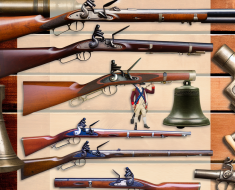
The introduction of firearms to North America fundamentally altered the trajectory of frontier exploration and settlement. Early European settlers brought muskets and flintlock rifles that were essential for hunting and protection. Unlike traditional melee weapons or bows and arrows, firearms offered greater range and lethality.
By the 18th century, advancements such as the Kentucky rifle (also known as the Pennsylvania rifle) revolutionized frontier life. These rifles were known for their accuracy over long distances and reliability in harsh conditions.
- Hunting Efficiency: Firearms allowed settlers to hunt larger game such as deer, elk, and buffalo more effectively, providing vital food supplies for growing communities.
- Defense Against Hostile Forces: As settlers encroached on Indigenous lands or faced threats from wildlife and bandits, firearms became necessary tools for protection.
- Expansion Encouragement: The perceived ability to defend oneself with firearms emboldened pioneers to move further westward into unknown territories.
According to historian Richard Slotkin, the “myth of the rifle” played a central role in American identity during this period — representing self-reliance and rugged individualism that defined the frontier ethos.
Firearms in Conflicts: Native American Relations and Military Engagements
The presence of firearms on the frontier also intensified conflicts between European settlers (and later Americans) and Native American tribes. Firearms shifted power balances during these encounters by introducing new dynamics in warfare tactics.
Native Americans initially obtained firearms through trade with Europeans but often faced shortages due to supply constraints. This disparity sometimes put tribes at a disadvantage during armed confrontations with better-equipped militias or settlers.
- Armed Resistance: Tribes such as the Sioux, Apache, and Comanche adapted quickly to firearm technology, incorporating rifles and pistols into their arsenals to resist encroachment.
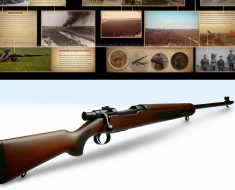
- U.S. Military Campaigns: The U.S. Army utilized advanced repeating rifles like the Spencer repeating rifle during conflicts like the Indian Wars (1860s-1890s), enhancing their firepower against Native forces.
- Tactical Evolution: Both sides developed new strategies; Native warriors used guerrilla tactics combined with rapid-fire weapons while settlers organized militias equipped with sharpshooters’ rifles for defense.
The Battle of Little Bighorn (1876) exemplifies how firearms played a critical role in frontier warfare. Although Custer’s troops wielded superior weaponry such as carbines and revolvers, they were overwhelmed by Native forces who skillfully used their own firearms along with strategic positioning.
The Role of Firearms in Daily Frontier Life: Hunting, Law Enforcement, and Community Defense
Beyond warfare and conflict, firearms were integral to everyday survival on the frontier. Settlers relied heavily on guns for multiple practical purposes that ensured their livelihoods.
- Subsistence Hunting: Frontier families depended on hunting for meat, hides, and other animal products essential for food, clothing, trade goods, and shelter materials.
- Pest Control: Firearms helped manage threats from predators such as wolves or bears that endangered livestock or human safety.
- Law Enforcement: In many emerging towns lacking formal police forces or judicial systems, armed posses maintained order—often through vigilantism supported by widespread gun ownership.
- Community Defense: Settlements organized militia groups equipped with muskets or rifles to guard against raids by hostile groups or criminals during periods of instability.
The iconic image of the “frontier marshal” with his trusty revolver symbolizes this era’s intertwining of law enforcement with firearm use. Towns like Dodge City and Tombstone became famous for gunfights where lawmen confronted outlaws using pistols like the Colt Single Action Army revolver (“Peacemaker”).
The Technological Evolution of Firearms on the Frontier
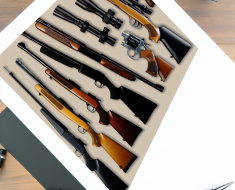
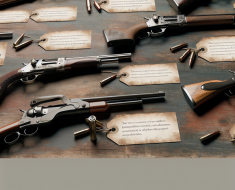
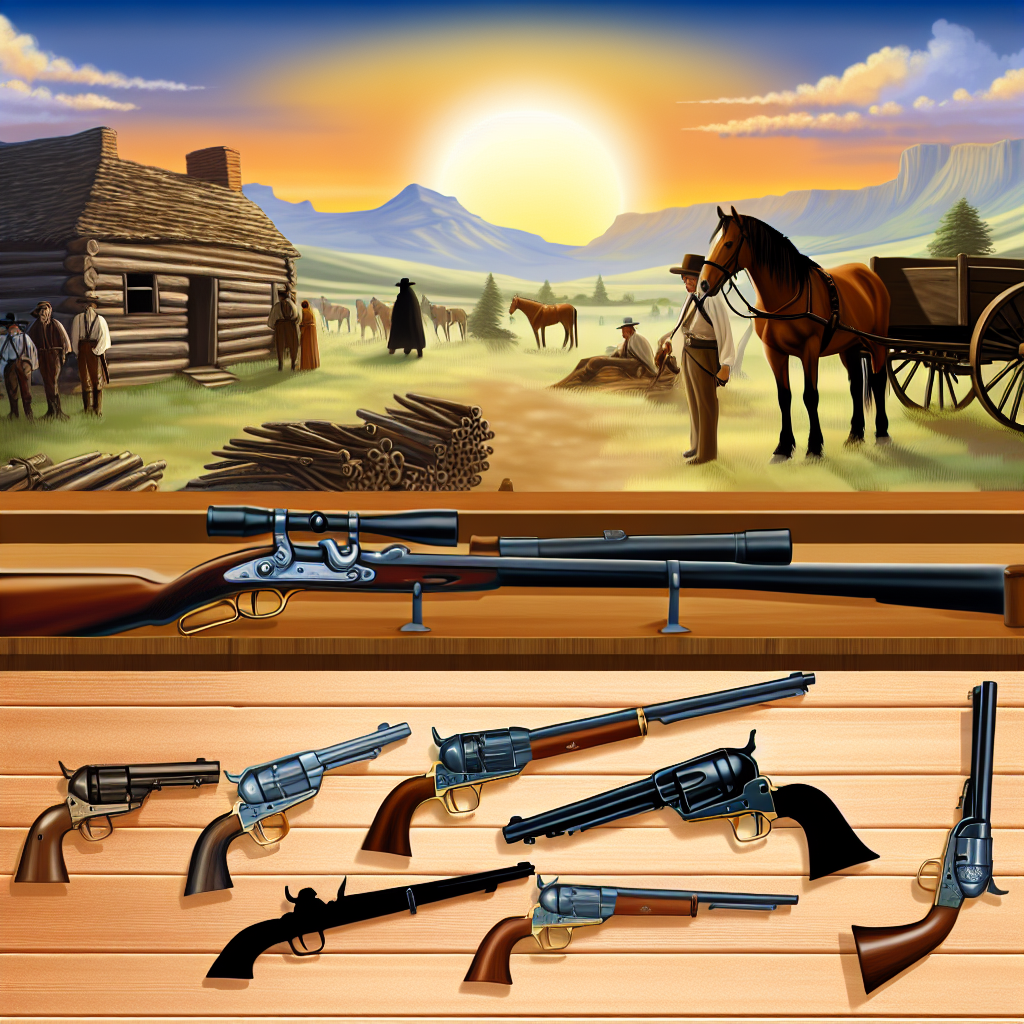
The technological advancements in firearms during frontier times significantly influenced both settlement patterns and military engagements. The transition from smoothbore muskets to rifled barrels increased accuracy dramatically. Furthermore, innovations like percussion caps improved reliability under adverse weather conditions compared to earlier flintlock mechanisms.
- Kentucky Rifle (Early 18th Century): Known for precision shooting up to several hundred yards; favored by hunters and frontiersmen alike.
- Percussion Cap System (1820s-1830s): Replaced flintlocks; reduced misfires especially in wet conditions improving overall firearm effectiveness on the frontier.
- Repeating Rifles (Mid-19th Century): Weapons like Henry rifle (introduced
in 1860) allowed for faster firing rates, which was crucial during skirmishes and hunting.
Overall, the evolution of firearms played a pivotal role in shaping the dynamics of American frontier life.