The Importance of Trigger Control in Competitive Shooting
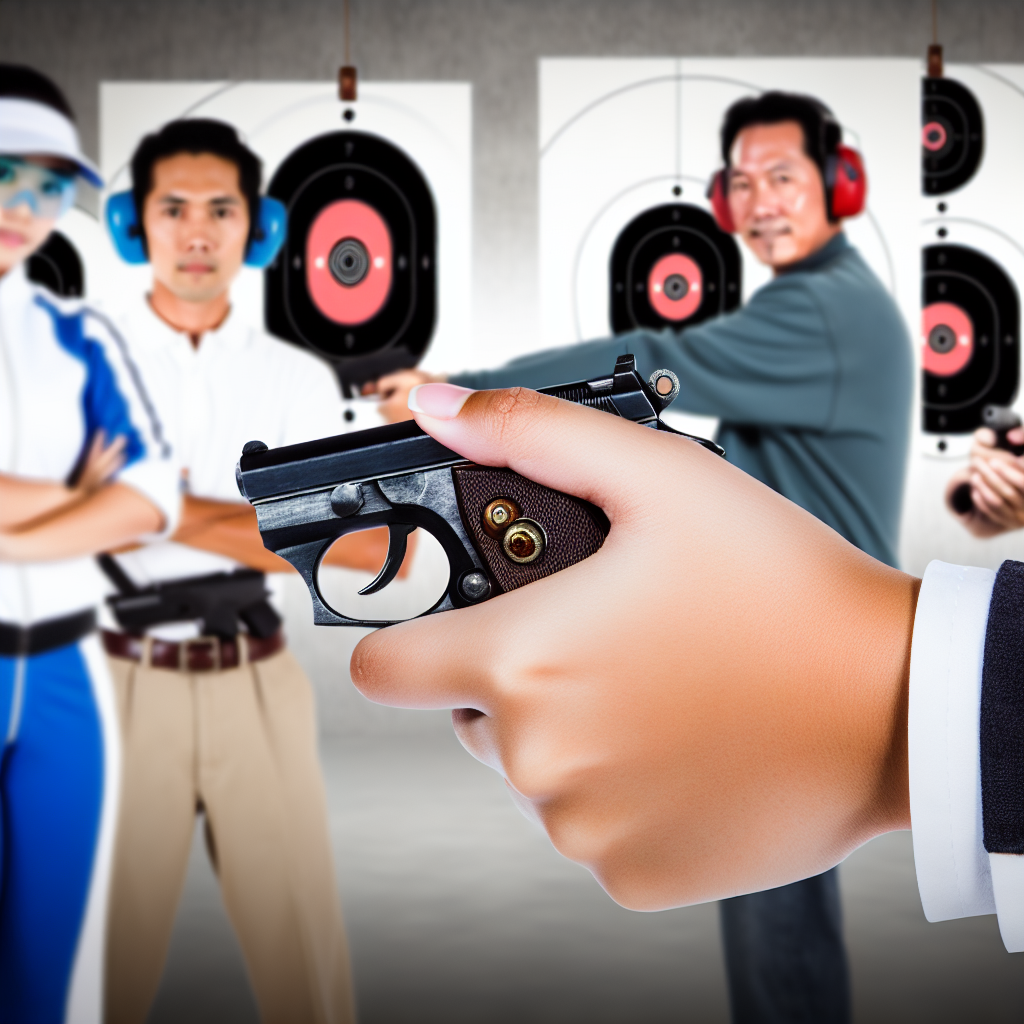
Competitive shooting is a discipline that demands precision, consistency, and control. Among the many skills required to excel, trigger control stands out as one of the most critical components for success. The ability to manipulate the trigger smoothly and accurately can be the difference between hitting the bullseye and missing the mark entirely. This article explores the significance of trigger control in competitive shooting, delves into techniques for improving it, and highlights real-world examples illustrating its impact.
Understanding Trigger Control: What It Means and Why It Matters
Trigger control refers to the shooter’s ability to press the trigger in a controlled manner without disturbing the firearm’s aim. It involves applying steady pressure on the trigger until the shot breaks cleanly, minimizing any movement that could throw off accuracy.
In competitive shooting, even the slightest deviation can result in a lost point or a missed target. According to a study published by the National Shooting Sports Foundation (NSSF), shooters who demonstrate excellent trigger control tend to have significantly higher accuracy rates compared to those who do not prioritize this skill.
The core reasons why trigger control is vital include:
- Accuracy: Proper trigger control reduces muzzle movement, leading to tighter groupings on target.
- Consistency: Consistent trigger pulls allow shooters to replicate successful shots repeatedly under pressure.
- Speed: Smooth trigger manipulation enables faster follow-up shots without sacrificing precision.
- Reduced Flinching: Good control minimizes anticipation and flinching, common issues among less experienced shooters.
Without adequate trigger control, even an expert marksman with perfect sight alignment can struggle to achieve competitive scores. This foundational skill acts as a bridge between aiming technique and shot execution.
The Mechanics of Trigger Control: How It Affects Shot Placement
To appreciate why trigger control is so crucial, it helps to understand what happens mechanically when a shot is fired. The process starts with aligning sights on target and ends with pulling the trigger to release a bullet from the barrel.
If the shooter’s finger applies uneven pressure or jerks the trigger suddenly, it causes involuntary movements such as muzzle dip or lateral shifts. These small motions translate into misses at distance. Even at close range, they can cause shots to stray outside scoring zones.
The ideal trigger pull is characterized by:
- Smooth Pressure Application: Gradual increase of pressure until the shot breaks without any sudden release.
- Straight Backward Movement: The finger should pull straight back rather than sideways or upwards to avoid disrupting aim.
- Minimal Finger Movement: Only enough motion necessary to activate the sear; excess movement leads to instability.
The “surprise break” technique is often taught in marksmanship training—this means applying pressure steadily until the shot surprises both shooter and firearm by breaking cleanly without anticipation or flinching. This approach significantly enhances accuracy by preventing premature muscle tension or jerkiness during firing.
Techniques for Improving Trigger Control in Competitive Shooters
Developing superior trigger control requires focused practice combined with proper training methods. Here are some proven techniques that competitive shooters use to refine their skill:
- Dry Firing Practice: Practicing without live ammunition allows shooters to focus solely on smooth trigger pulls without worrying about recoil or noise. Using snap caps or dummy rounds adds safety during repetitive dry fire drills.
- Pencil Drill Exercise: Placing a pencil across two targets while dry firing encourages steady hand positioning and precise finger movement as shooters attempt not to disturb the pencil’s balance when pulling the trigger.
- Squeeze vs. Pull Method: Emphasizing a slow “squeeze” rather than a quick “pull” helps maintain alignment and prevents jerking motions that cause misses.
- Sight Picture Focus: Concentrating on maintaining perfect sight alignment throughout trigger press reinforces muscle memory for consistent execution under stress.
- Use of Trigger Weights and Adjustments: Some firearms allow customization of trigger pull weight and travel length which can be tailored for smoother action suitable for competition shooting.
- Mental Training & Relaxation Techniques: Reducing anxiety through breathing exercises and mental rehearsal improves fine motor skills needed for delicate finger control during competition rounds.
A case study conducted by USA Shooting found that athletes who incorporated daily dry fire drills improved their hit percentage by up to 25% within three months, highlighting how deliberate practice of trigger control directly impacts performance outcomes.
The Role of Equipment in Enhancing Trigger Control
Apart from technique, equipment plays an influential role in facilitating better trigger control. Modern competitive shooting gear has evolved with features designed specifically for improving shootability and comfort during events.
- Trigger Design Innovations: Adjustable triggers allow competitors to customize pull weight from as light as two pounds up to heavier settings depending on preference and event requirements. Examples include match-grade triggers found on pistols like Glock’s MOS series or SIG Sauer’s P320 X-Five models used widely in competitions such as USPSA (United States Practical Shooting Association).
- Shooting Gloves & Grip Enh
Shooting gloves and grip enhancements can provide additional stability and control, allowing shooters to maintain a consistent grip during rapid fire sequences.
Ultimately, mastering trigger control, combined with the right equipment, is essential for success in competitive shooting.