How to Score High in 3-Gun Competitions
3-Gun competitions have rapidly grown in popularity among shooting sports enthusiasts. Combining precision, speed, and strategy, these events challenge competitors to excel with three different firearms: a rifle, a shotgun, and a handgun. Scoring high in such competitions demands more than just marksmanship; it requires physical fitness, mental acuity, equipment knowledge, and strategic planning.
This article explores comprehensive strategies to help shooters improve their performance and consistently score high in 3-Gun matches. We will delve into training methods, gear selection, mental preparation, and real-world examples from top competitors.
Understanding the Basics of 3-Gun Competitions
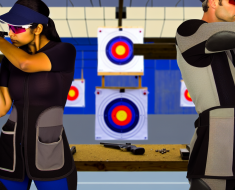
Before diving into advanced techniques, it’s essential to understand what 3-Gun competitions entail. Participants engage targets with three types of firearms: a rifle (usually semi-automatic), a shotgun (pump or semi-auto), and a pistol. Courses of fire vary widely but typically involve engaging multiple targets at different distances under timed conditions.
Competitors are scored based on accuracy and speed. The faster and more accurately you engage targets, the higher your score. However, penalties for misses or procedural errors can quickly negate gains made by speed alone.
- Stages: Each match consists of several stages with unique layouts requiring tactical movement and firearm transitions.
- Targets: Steel plates, paper targets, moving targets, and clay pigeons are commonly used.
- Scoring: Points are awarded for each target hit; time penalties apply for misses or procedural mistakes.
A good grasp of these fundamentals sets the foundation for effective training and competition strategies.
Mastering Marksmanship Across Three Firearms
The core skill in 3-Gun is shooting proficiency with all three firearms. Excelling requires consistent practice tailored to each weapon’s unique characteristics.
Pistol Skills
The handgun segment tests quick target acquisition at close to moderate ranges (typically up to 25 yards). Key skills include fast draws from the holster, smooth transitions between targets, and controlled recoil management.
- Drills: Practice dry-fire drills focusing on trigger control and sight alignment.
- Live Fire: Engage multiple targets rapidly using reload drills to simulate match conditions.
- Equipment: Use a reliable holster that allows quick draws while maintaining safety.
Shotgun Techniques
The shotgun stage often involves engaging clay targets or steel plates within close range. Speed combined with patterning your shotgun effectively is crucial.
- Pattern Testing: Regularly test different loads to find the most effective pellet spread at competition distances.
- Maneuvering: Practice smooth movement while shouldering the shotgun for rapid target engagement.
- Shooting Techniques: Learn both swing-through and lead shooting methods depending on the target type.
Rifle Proficiency
The rifle portion usually involves engaging steel or paper targets at longer ranges (up to 200 yards or more). Precision combined with speed is essential here.
- Shooting Positions: Train from standing, kneeling, sitting, and prone positions to handle variable stage requirements.
- Bipod/Support Use: Practice rapid deployment of bipods if allowed in your division for stability on longer shots.
- Ammunition Selection: Choose ammunition that balances accuracy with recoil management for faster follow-up shots.
Physical Conditioning and Movement Strategies
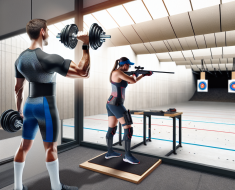
A frequently overlooked aspect of scoring high in 3-Gun competitions is physical fitness. Stages often require competitors to move quickly over uneven terrain while carrying three firearms and associated gear weighing upwards of 20 pounds. Efficient movement minimizes time lost between shooting positions.
- Cardiovascular Fitness: Running sprints or interval training improves stamina for sustained energy during matches lasting several hours.
- Strength Training: Building core strength helps maintain stability during shooting positions and reduces fatigue when carrying gear.
- Agility Drills: Ladder drills or cone drills improve footwork essential for navigating complex stage layouts without losing balance or speed.
An example from top competitor Greg Jordan illustrates this point well. Jordan attributes much of his consistent performance at national championships to his rigorous fitness regimen that includes running trails daily combined with functional strength exercises tailored for shooting sports.
Mental Preparation: Focus Under Pressure
Shooting sports are as much mental as physical challenges. Maintaining composure under pressure significantly impacts scoring outcomes. Here are some proven techniques employed by elite shooters:
- Mental Visualization: Visualizing successful stage runs helps reduce anxiety and primes your brain for optimal performance during actual competition.
- Meditation & Breathing Exercises: Controlled breathing techniques lower heart rate during stressful moments ensuring steadier aim.
- Tactical Pause: Taking brief moments before engaging targets to assess wind conditions or stage layout can prevent costly errors despite adding seconds to time.
</