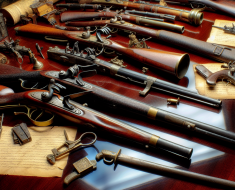
The History of the M1911 Pistol
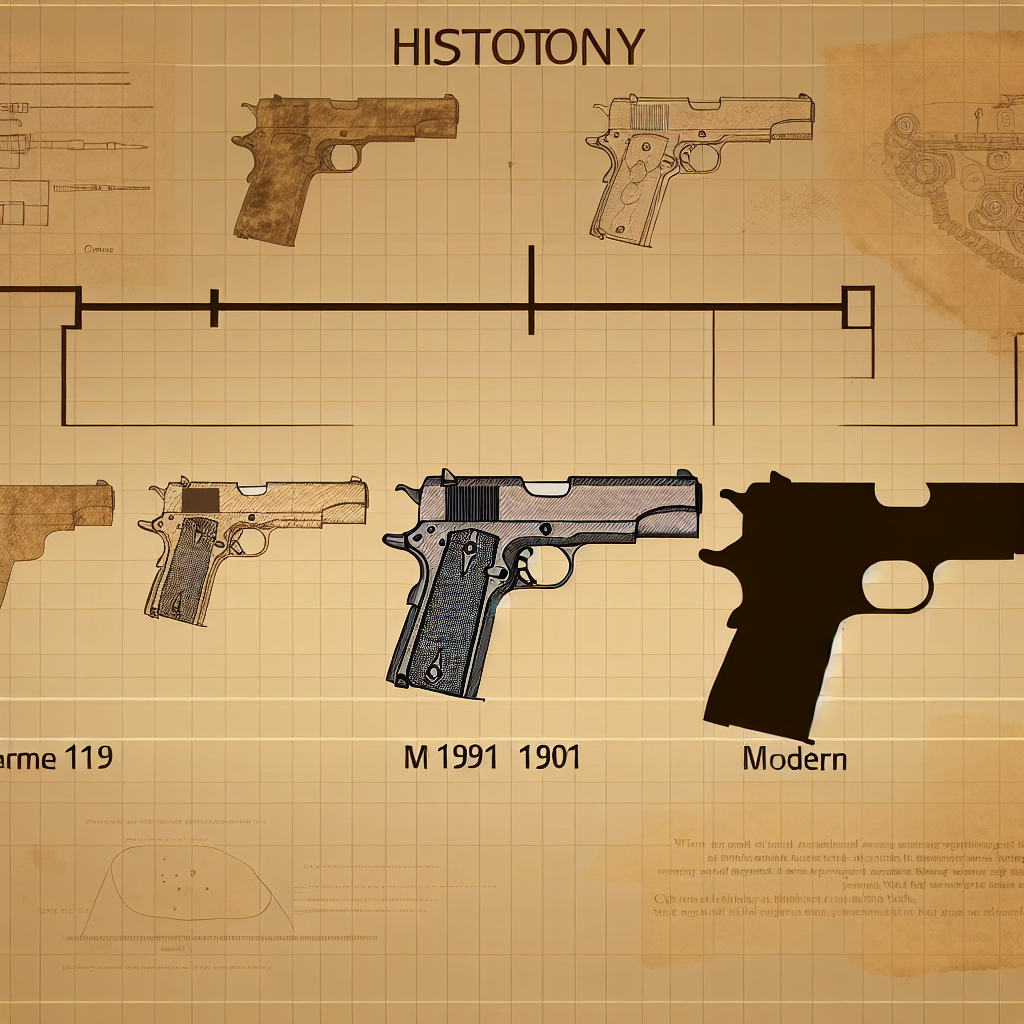
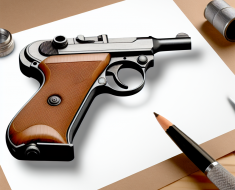
The M1911 pistol stands as one of the most iconic and influential firearms in modern military history. Known for its rugged reliability, powerful .45 ACP cartridge, and timeless design, the M1911 has served as a trusted sidearm for over a century. This article delves into the rich history of the M1911 pistol, exploring its origins, development, military service, cultural impact, and enduring legacy.
Origins and Design: Birth of a Legend
The story of the M1911 begins in the early 20th century when the United States sought to replace the aging Colt M1902 and other pistols used by its armed forces. The primary goal was to develop a reliable, powerful sidearm that could meet the demanding needs of modern warfare.
John Moses Browning, one of history’s most prolific firearms designers, was tasked with this challenge. Browning had already revolutionized firearm technology with designs such as the Winchester Model 1886 rifle and various early semi-automatic pistols. In 1904, he submitted his design to the U.S. Army’s Ordnance Department for evaluation.
- Caliber Selection: The pistol was chambered for the newly developed .45 ACP (Automatic Colt Pistol) cartridge, which provided superior stopping power compared to smaller calibers like the .38 Long Colt used previously.
- Design Features: The pistol featured a short recoil operation system with a locked breech—a concept that Browning had perfected—which enhanced reliability and durability.
- Ergonomics: The design included a single-action trigger and a grip safety that improved handling and safety during combat use.
After extensive testing and refinement from 1907 to 1910, Browning’s design was officially adopted by the U.S. Army in March 1911 as the “Model of 1911,” or simply M1911.
M1911 in Military Service: World Wars and Beyond
The M1911 quickly became the standard-issue sidearm for American forces during World War I. Its robustness and stopping power made it invaluable in trench warfare where close-quarter combat was frequent.
During World War I:
- The M1911 proved superior to older sidearms in terms of reliability under harsh conditions such as mud, rain, and cold weather.
- Its .45 ACP round was praised for its ability to incapacitate enemy soldiers more effectively than smaller calibers.
Following WWI, improvements were made to address minor issues such as slide fitment and extractor reliability. These enhancements culminated in the M1911A1 model introduced in 1924.
- M1911A1 Modifications: Included a shorter trigger, arched mainspring housing for better grip comfort, improved sights, and a longer grip safety spur to prevent hammer bite.
The M1911A1 remained in service through World War II, Korea, Vietnam, and various other conflicts throughout much of the 20th century. Despite newer designs emerging post-WWII—such as the Beretta M9—the M1911A1 retained favor among many troops for its stopping power and reliability.
Statistics illustrating service longevity:
- The U.S. military issued over 2 million M1911 pistols during WWII alone.
- The pistol remained standard issue until officially replaced by the Beretta M9 in 1985 after over seven decades of service.
Cultural Impact: The M1911 Beyond the Battlefield
The influence of the M1911 extends far beyond military use. It has become an enduring symbol of American ingenuity and strength in popular culture:
- Cinematic Fame: Films like “Saving Private Ryan” and countless war movies have featured the M1911 prominently, often highlighting its role as a trusted companion to soldiers on screen.
- Civilian Popularity: After military surplus versions became available post-WWII, millions of civilians acquired these pistols for self-defense, sport shooting, and collecting.
- Law Enforcement Use: Various police departments adopted customized versions due to its stopping power and accuracy before transitioning to other models in later decades.
The pistol also inspired numerous custom gunsmiths who created modified versions tailored to competitive shooting sports such as IPSC (International Practical Shooting Confederation) and IDPA (International Defensive Pistol Association).
Technological Innovations: Why Did It Last So Long?
The longevity of the M1911 is attributable not only to its historical significance but also to several key technological innovations that made it stand out from contemporaries:
- Short Recoil Operation: Browning’s patented short recoil mechanism provided consistent cycling under adverse conditions—a feature still prevalent in many modern pistols today.
- .45 ACP Cartridge: Offering greater stopping power than competing calibers like 9mm Parabellum without excessive recoil made it ideal for both military use and civilian self-defense.
- Simplicity of Design: The pistol’s relatively simple construction allowed for easy maintenance even under battlefield conditions where cleaning supplies were limited.
The simplicity of design also contributed to its widespread adoption and adaptability across various uses.
In summary, the M1911’s combination of innovative features and reliable performance has solidified its place in firearm history.