The History of the Luger P08 Pistol
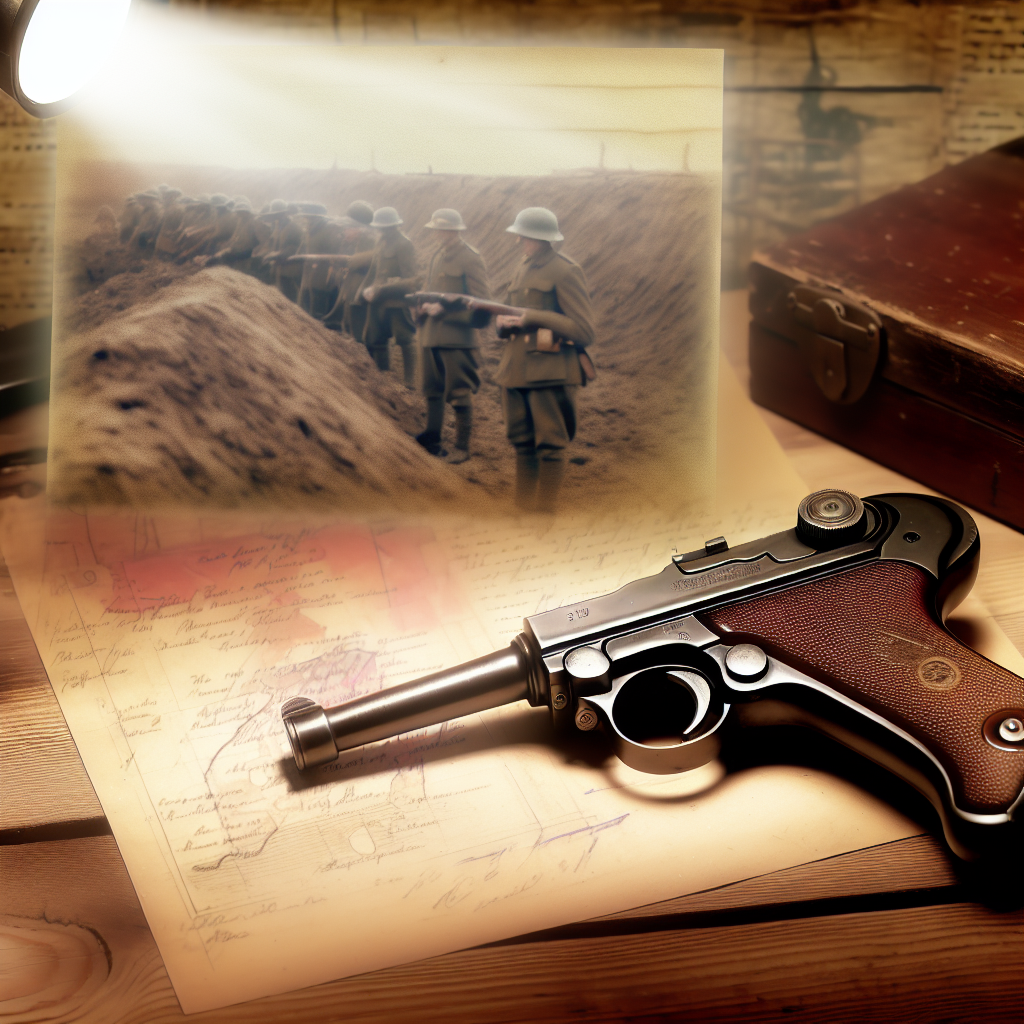
The Luger P08 pistol stands as one of the most iconic and historically significant firearms ever produced. Known for its distinctive toggle-lock mechanism and elegant design, the Luger has become synonymous with early 20th-century military sidearms. This article explores the fascinating history of the Luger P08, tracing its development, technical innovations, military service, and enduring legacy in both historical and modern contexts.
Origins and Development: The Birth of a Revolutionary Sidearm
The story of the Luger P08 begins in the late 19th century with Georg J. Luger, an Austrian firearms designer who sought to improve upon existing semi-automatic pistols. The inspiration came from the Borchardt C-93 pistol, which was innovative but had several drawbacks including its bulkiness and awkward handling.
In 1898, Georg Luger patented a new design that refined the toggle-lock mechanism originally used in the Borchardt but made it more compact and user-friendly. This design ultimately led to the creation of what would become known as the Parabellum pistol (from the Latin phrase “Si vis pacem, para bellum,” meaning “If you want peace, prepare for war”). The pistol was chambered for a new cartridge designed by Luger himself: the 7.65×21mm Parabellum.
- 1898: Georg Luger files patent for improved toggle-lock system
- 1900: Introduction of the 7.65mm Parabellum cartridge
- 1904: German military begins testing prototypes chambered in 9×19mm Parabellum
The German military’s interest marked a turning point for the Luger pistol. Although initially adopted in a smaller caliber (7.65mm), it was later rechambered for 9mm Parabellum ammunition—a round that remains one of the most popular handgun cartridges globally to this day.
The Technical Marvel: Design Features and Innovations
The Luger P08’s design is renowned not just for its aesthetics but also for its mechanical ingenuity. At a time when semi-automatic pistols were still evolving, Luger’s toggle-lock system stood out as an innovative solution for reliable cycling and accuracy.
- Toggle-Lock Mechanism: Unlike typical slide-operated pistols, the Luger uses a unique toggle joint that bends upward to unlock after firing. This system reduces recoil forces and enhances accuracy.
- Ergonomics: The grip angle of about 70 degrees makes pointing intuitive, aiding quick target acquisition.
- Ammunition: Chambered primarily in 9×19mm Parabellum from 1904 onwards, providing effective stopping power with manageable recoil.
- Sights: Equipped with fixed front blade and rear notch sights tailored for combat accuracy at typical handgun ranges.
The precision engineering required to manufacture Lugers meant they were more expensive than many contemporaries like the Colt M1911 or Browning designs. However, their reliability and balance earned them favor among users who valued craftsmanship and function combined.
Luger P08 in Military Service: From World War I to World War II
The Luger P08 became synonymous with German military forces through two world wars. Officially adopted by the German Army in 1908 (hence “P08”), it served as the standard sidearm until replaced post-WWII by newer models such as the Walther P38.
World War I Service
The outbreak of World War I saw mass production of Lugers for German troops. Its reliability in trench warfare conditions made it highly valued despite some criticisms about sensitivity to dirt due to its tight tolerances.
- Lugers were issued primarily to officers and specialized troops rather than general infantrymen.
- The “Artillery Model” variant featured longer barrels and adjustable sights for enhanced range.
- A total estimated production during WWI exceeded half a million units across various manufacturers including DWM (Deutsche Waffen und Munitionsfabriken) and Mauser.
Interwar Period Developments
Following WWI restrictions under the Treaty of Versailles limited German arms production; however, clandestine manufacturing continued into the early Nazi era. The period also saw incremental improvements including better finishes and markings indicating newer production years.
World War II Service
The Luger remained widely used during WWII despite being increasingly supplanted by newer pistols like the Walther P38 starting in mid-war years. The P08 was prized for its precision but criticized due to complicated maintenance under battlefield conditions compared to simpler designs.
- Produced by multiple manufacturers including Mauser and DWM during WWII with subtle variations identifiable by collectors today.
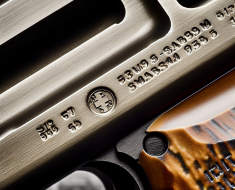
- A variety known as “Nazi Lugers” bear Nazi-era proof marks and are highly collectible but also reminders of wartime atrocities associated with their users.
- The pistol was favored by officers across Wehrmacht branches including Heer (Army), Luftwaffe (Air Force), Kriegsmarine (Navy), and Waffen-SS units.
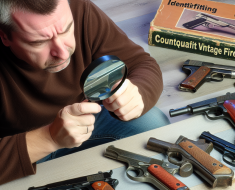
Cultural Impact and Collectability: The Legacy of the Luger P08 continues to resonate today, as it remains a sought-after collectible among firearm enthusiasts and historians alike.
Its unique design and historical significance ensure that the Luger will be remembered as one of the most iconic pistols in firearm history.